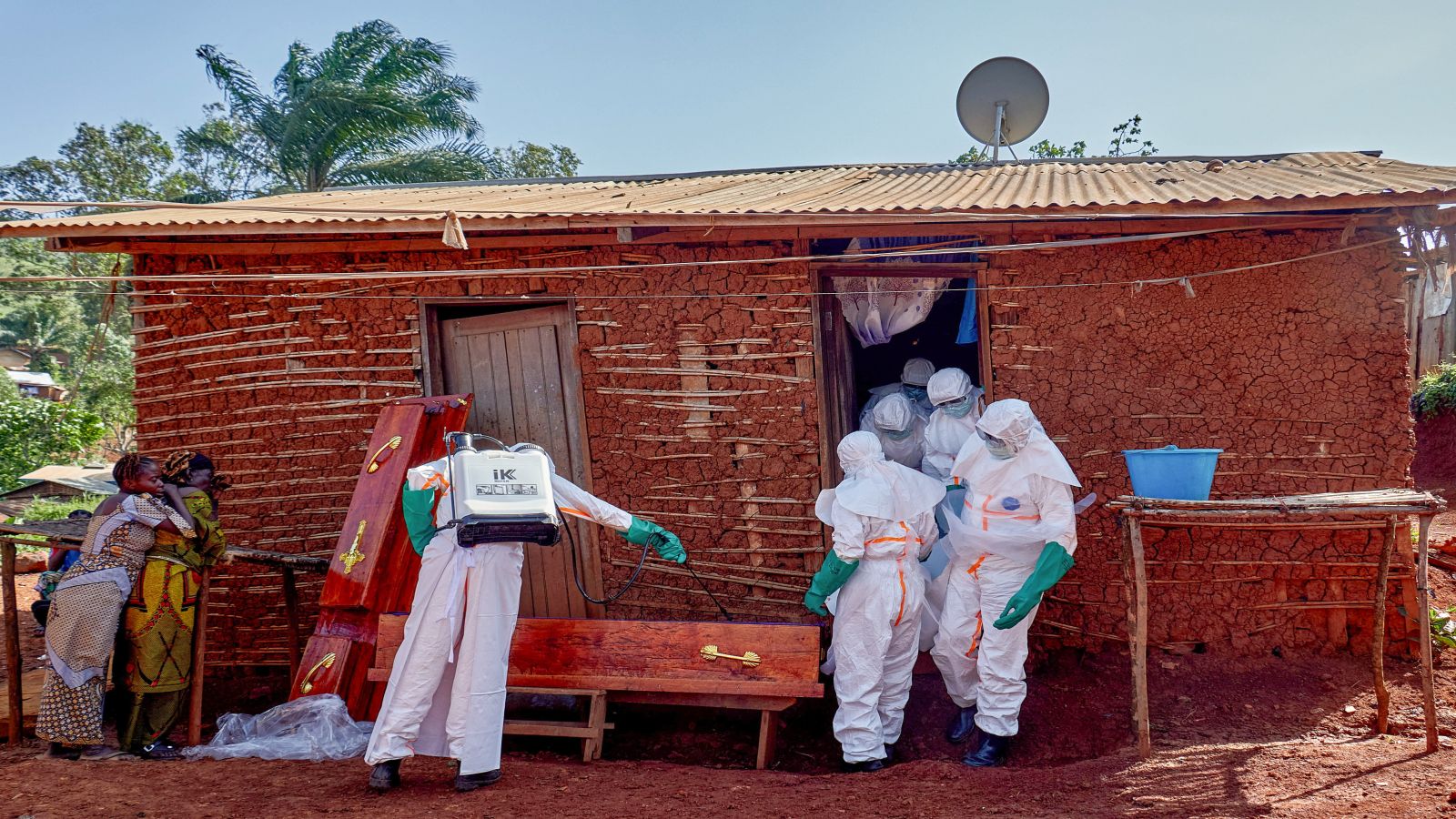
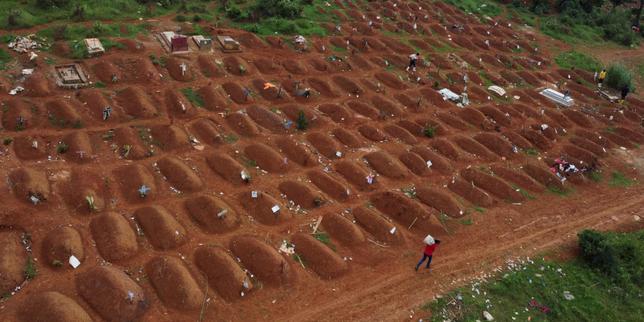
Viruses move fast. Healthcare infrastructure usually crawls. Right now, in the northeastern region of the Democratic Republic of the Congo, those two opposing realities are colliding in real time.
The numbers tell an aggressive story. Since the outbreak was officially declared on May 15, confirmed cases have surged past 3,800, with fatalities climbing above 1,700. This specific epidemic, driven by the Bundibugyo strain, is expanding at an exceptional pace, outstripping previous historical peaks in the country.
To counter this relentless spread, international partners and local authorities are scrambling to scale up treatment capacity. The International Medical Corps (IMC), backed by US support, is opening the nation's largest dedicated Ebola treatment center in Bunia, boasting a 100-bed capacity.
Why This Treatment Facility Matters Right Now
You can't fight a fast-moving epidemic with slow logistics. When an outbreak hits densely populated zones tangled with displacement camps and active conflict, traditional containment fails.
The new 100-bed facility in Bunia anchors a broader regional response plan that brings total bed capacity across five affected provinces to approximately 900. But raw numbers miss the point. A bed alone doesn't stop a virus. Location, triage speed, and community trust dictate whether people survive or stay home and die.
Data from public health authorities shows a terrifying trend: a massive portion of recent recorded deaths happened inside local communities rather than medical facilities. People are either too afraid to seek help, or treatment centers are too far away. By placing a massive, high-capacity hub directly inside Ituri province—the epicenter accounting for roughly 87 percent of all confirmed cases—response teams aim to bridge that deadly geographic gap.
The Reality on the Ground in Ituri
Building a massive hospital tent in a conflict zone sounds straightforward on paper. In practice, it's a logistical nightmare.
Dr. Justus Nsio, field incident manager for the Africa Centres for Disease Control and Prevention, calls it a desperate race against time. The region isn't just dealing with a pathogen. Active armed violence, continuous population displacement, and artisanal mining corridors make standard contact tracing nearly impossible.
Consider what health workers face daily:
- Over 270,000 displaced people are crammed into makeshift sites across Ituri province alone.
- Contact tracing coverage recently slipped to 78 percent, sitting well below the 95 percent operational target needed to choke off transmission chains.
- The strain driving this outbreak lacks the proven vaccines and specific therapeutics that successfully halted past epidemics in other parts of the country.
This is why the new transit and treatment hubs, such as the newly established center at the Kigonze displacement camp on the outskirts of Bunia, serve a dual purpose. They act as filters. Suspected cases get isolated immediately, keeping the wider camp safe while ensuring confirmed patients transition smoothly to the primary treatment facility.
Experimental Trials Meet Urgent Demands
Hope rests on more than just physical beds. Medical teams are actively running clinical evaluations on the ground to find medical footing against this specific strain.
The PARTNERS treatment trial is currently evaluating experimental therapeutic options across multiple sites in Ituri, enrolling dozens of patients to test potential life-saving interventions. Concurrently, separate trials are testing oral antivirals like obeldesivir on high-risk contacts to see if a 10-day course can block transmission before symptoms fully manifest.
Yet, infrastructure gaps persist. Jean Kaseya, Director-General of Africa CDC, warned during a recent deployment to Bunia that every single delay hands the virus more territory.
Containment demands absolute synchronization between community outreach, rapid testing laboratories, and safe burial teams. If you want to understand whether this new 100-bed facility will turn the tide, watch the community admission rates over the next fortnight. The infrastructure is finally there. Getting frightened populations through the doors remains the ultimate test.