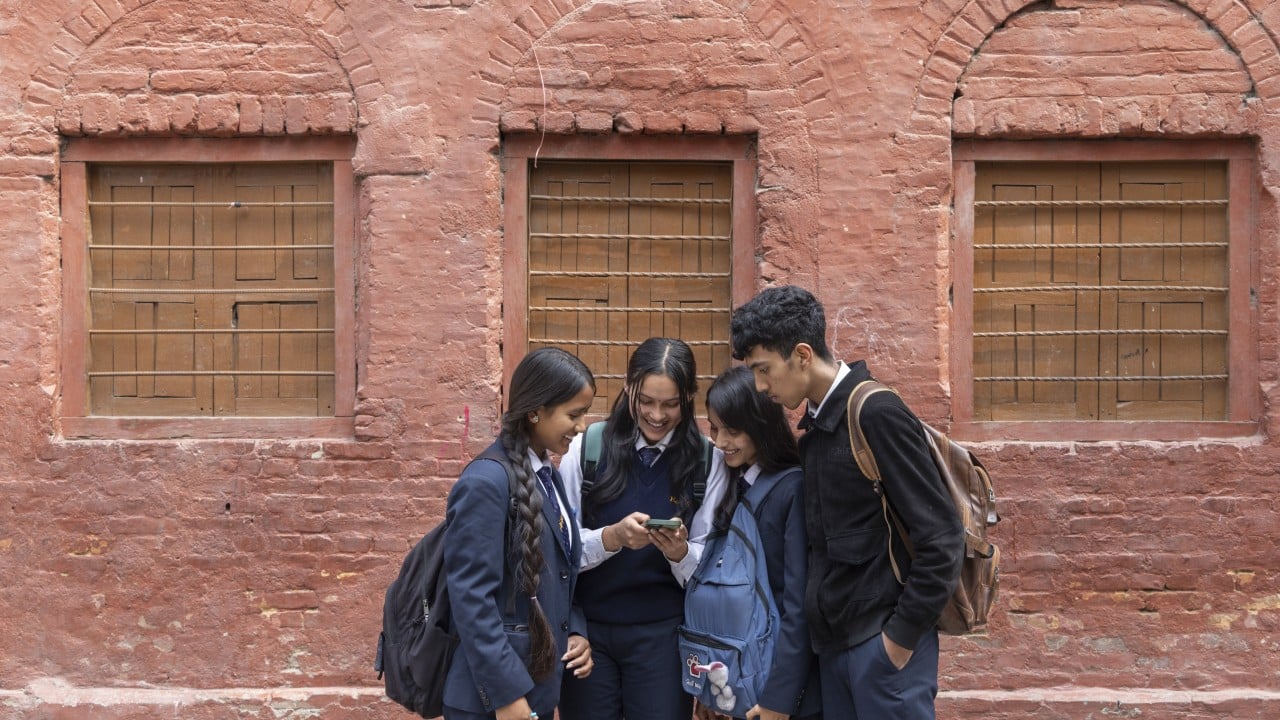
The populist mob has found its latest target in Kathmandu, and it’s wearing a school uniform.
The narrative being shoved down your throat is simple: greedy private school "cartels" are bleeding parents dry, and the government's heroic intervention to cap fees is the great equalizer. It’s a compelling story if you haven't spent twenty years watching how markets actually function in developing economies. In reality, Nepal’s aggressive crackdown on private school tuition isn't a victory for the poor; it’s a systematic dismantling of the only ladder that actually works.
When you cap the price of a service without addressing the cost of delivery, you don't get "affordable quality." You get a collapse in standards. By forcing private institutions to operate on margins that make maintenance—let alone innovation—impossible, the Nepali government is effectively mandating mediocrity.
The High Cost of Cheap Education
The "lazy consensus" among regulators suggests that education is a right that should be decoupled from market forces. This sounds noble in a faculty lounge, but on the ground in a country like Nepal, it’s a fantasy.
Private schools didn't sprout up because of a conspiracy. They exist because the public sector failed. For decades, the state-run system has been a graveyard of absenteeism, outdated curricula, and political patronage. Private schools stepped into that vacuum, offering a promise: pay for results. And they delivered. Data consistently shows that students in South Asian private schools outperform their public counterparts across almost every metric, despite often operating with fewer resources per pupil.
By capping fees, the government is cutting the legs out from under the very institutions that provide the human capital Nepal needs to compete globally.
- Teacher Brain Drain: When schools can’t raise revenue, they can’t raise salaries. The best educators won't stay in a classroom for a pittance out of the goodness of their hearts. They’ll move to the UAE, Australia, or the UK.
- Infrastructure Rot: Science labs, computer centers, and sports facilities aren't "luxuries." They are the baseline requirements for a 21st-century education. Under the current fee caps, these are the first things to go.
- Safety Risks: We’ve seen this pattern in other regulated markets. When margins disappear, maintenance is deferred. Today it’s a leaky roof; tomorrow it’s a structural failure.
The Subsidy Fallacy
The most common defense of the crackdown is the "scholarship mandate"—the requirement that private schools provide free seats to 10% or 15% of their student body.
On paper, it’s a beautiful redistribution of wealth. In practice, it’s an unfunded mandate that forces middle-class parents to subsidize the poor because the government is too incompetent to do it through a proper tax system. This isn't charity; it’s a hidden tax on the aspiring middle class.
When a school has to give away 15% of its "product" for free, it has two choices: raise prices for the remaining 85% or cut quality for everyone. Since the government has capped the prices, only the second option remains. The result? Everyone gets a worse education.
Instead of raising the floor for the underprivileged, the state is lowering the ceiling for everyone else.
The Myth of the School Cartel
Regulators love the word "cartel." It’s the perfect boogeyman. It implies a shadowy group of men in suits fixing prices in a smoke-filled room.
I’ve looked at the books of these institutions. Most of them aren't "cartels"; they are small-to-medium enterprises struggling with skyrocketing rents, increasing electricity costs, and a volatile political climate. The "excessive profits" touted by activists are often thin margins that vanish the moment a new regulation is passed.
If you want lower fees, you don't need more regulation. You need more competition. You make it easier for new schools to open, you simplify the licensing process, and you let the market decide which schools are worth the investment.
Instead, Nepal is doing the opposite. By making it financially radioactive to run a school, the government is ensuring that no new players enter the market. They aren't breaking up a cartel; they are protecting the existing big players who are the only ones with the scale to survive a low-margin environment.
Why Vouchers are the Uncomfortable Truth
If the Nepali government actually cared about the poor, they wouldn't be attacking the schools. They would be empowering the parents.
The "Education Voucher" model is the one thing no one in the Kathmandu bureaucracy wants to talk about. Why? Because it shifts power from the bureaucrat to the parent.
Imagine a scenario where the government takes the money it currently wastes on crumbling state schools and hands it directly to parents in the form of a voucher. That parent can then take that voucher to any school—public or private.
- Schools must compete: They have to prove their value to win the parent's voucher.
- Accountability is instant: If a school sucks, the parents leave, and the school closes.
- Social mobility is baked in: The poor kid gets the same "purchasing power" as the middle-class kid.
But vouchers require a functional administrative state and a willingness to let go of control. It’s much easier to just send a mob to protest outside a school gate and demand a fee cut.
The Inequality Trap
The cruelest irony of this crackdown is that it won't affect the truly wealthy.
The elites of Nepal—the ones making these laws—aren't sending their kids to the schools being targeted by these fee caps. Their children are in A-level programs that cost ten times the national average, or they are already at boarding schools in India, Switzerland, or the United States.
The fee crackdown targets the "budget private schools"—the ones serving the shopkeepers, the taxi drivers, and the junior civil servants. These are the people who are making immense sacrifices to give their children a shot at a life better than their own. By "protecting" these parents from high fees, the government is actually robbing their children of a competitive education.
You aren't saving these families money. You are ensuring their children remain in the same socio-economic bracket as their parents because they won't have the skills to compete with the kids who went to schools that weren't strangled by price controls.
Stop Demonizing the "Customer"
The rhetoric surrounding this issue treats parents like helpless victims of predatory marketing. It’s insulting.
Parents in Nepal are some of the most discerning consumers I’ve ever met. They know exactly which schools have the best math programs, which ones have the best discipline, and which ones are "degree mills." They vote with their feet every single enrollment season.
When the government intervenes to "protect" them, they are effectively saying that parents are too stupid to manage their own finances or judge the value of their child's future.
If a school is charging $200 a month and parents are lining up to pay it, it’s because those parents believe the $200 is a better investment than anything else they could do with that money. Who is a bureaucrat in a government office to tell them they're wrong?
The Inevitable Black Market
Economics has a funny way of asserting itself, no matter how many laws you pass.
When you cap fees below market value, you don't actually lower the cost. You just change how the cost is paid. Expect to see a rise in "mandatory" extracurricular fees, "voluntary" building funds, and under-the-table payments for enrollment.
By driving these transactions into the shadows, the government is removing any hope of transparency. You end up with a system where only the "connected" get the best spots, and the honest school owners who try to follow the law are forced into bankruptcy.
The Exit Strategy
The current path is a race to the bottom.
If Nepal wants to actually fix its education system, it needs to stop treating private education as a problem to be solved and start treating it as a partner to be leveraged.
- Deregulate Fees, Regulate Outcomes: Let schools charge what they want, but hold them to brutal standards for graduation rates, literacy, and numeracy. If they fail the kids, shut them down.
- Tax Breaks for Expansion: Encourage schools to build more branches. Increase the supply to naturally lower the price.
- Means-Tested Subsidies: If the government wants the poor to go to private schools, the government should pay their tuition. Directly.
Anything else is just populist theater. It makes for great headlines and happy voters for a week, but it leaves a generation of children ill-equipped for a world that doesn't care about Nepal's internal politics.
The "school fee crackdown" isn't a policy. It’s a slow-motion arson attack on the future of the Nepali middle class. If you’re a parent, don't cheer for lower fees today. Cry for the quality your child is losing tomorrow.
Stop trying to fix the price of education. Start trying to fix the value of it.