Disasters test the spine of a nation. When violent flash floods ripped down the Bhote Koshi River in the Rasuwa district, they didn't just wash away bridges, roads, and homes. They tore open raw wounds across Nepal.
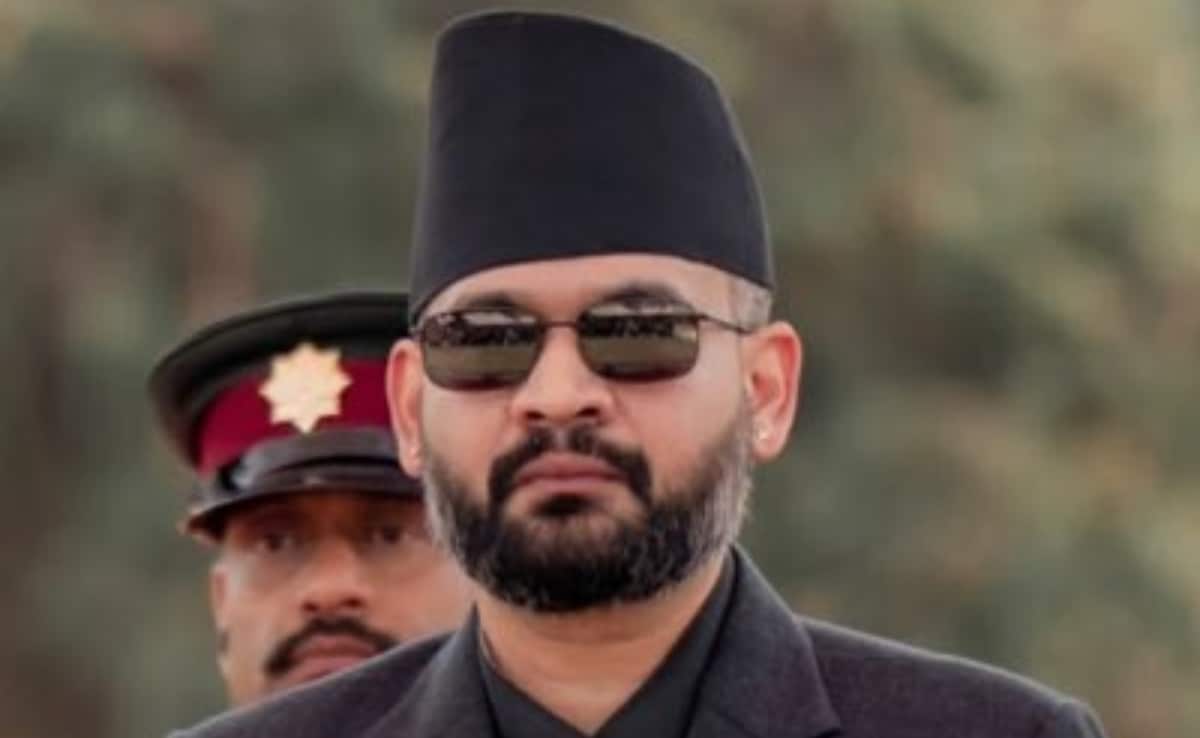
Prime Minister Balen Shah stepped forward with a blunt message for the country. Stop looking away. Stand together.
If you've followed Himalayan geography or lived through monsoon seasons in South Asia, you know the terrifying speed of glacial outbursts and river surges. But the sheer scale of this crisis has stunned even seasoned disaster management experts. Death tolls have climbed past ninety, hundreds remain unaccounted for, and communities from Rasuwagadhi down to Bidur are picking through wreckage.
The Reality on the Ground in Rasuwa
You can't understand the gravity of Shah's appeal without looking at the numbers. The flash floods hit with zero warning. Entire settlements along the riverbanks vanished under walls of muddy water and debris.
Security forces scrambled instantly. The Nepal Army, Armed Police Force, and local police teams deployed heavy air and ground operations. Helicopters pulled more than two hundred and fifty survivors from rooftops and isolated patches of land. Major medical hubs in Kathmandu, including Bir Hospital and the National Trauma Center, cleared dedicated emergency wards and reserved hundreds of beds to treat the wounded.
Yet, state machinery alone cannot fix a shattered landscape overnight. Roads are fractured. Power grids are down. Drinking water sources are contaminated.
That's why Shah's public address shifted away from sterile political jargon. He owned the state's duty, stating clearly that the government takes absolute responsibility for rescue, medical treatment, food, and temporary shelter. But he also demanded civilian participation.
Moving Beyond Politics
When a crisis hits this hard, partisan bickering becomes a luxury nobody can afford. Shah called directly on social organizations, local businesses, youth volunteers, and everyday citizens to pool their energy.
Political transitions in Nepal have historically been messy. Bureaucratic red tape often delays relief supplies when every minute counts. By appealing straight to the public and private sectors, Shah is attempting to bypass traditional bottlenecks. Volunteers, medical personnel from organizations like the World Health Organization, and local clubs are coordinating blood drives and relief logistics.
You have to look at how past disasters were handled to see why this tone matters. Hesitation kills. Silence breeds panic. By addressing the nation directly on social platforms and emergency broadcasts, the administration wants to maintain public trust while search teams comb through dangerous riverbeds under the cover of night.
What Needs to Happen Next
Rebuilding infrastructure is only half the battle. Families displaced by the floods need permanent resettlement options away from vulnerable flood zones. The government has promised prioritized reconstruction for damaged bridges, drinking water facilities, and electric grids.
If you want to support relief efforts or understand how to channel resources effectively, start by verifying channels through recognized bodies like the Nepal Red Cross or local municipal disaster funds. Donate supplies that matter right now: clean water filters, dry rations, medical disinfectants, and infant care items.
The water has receded, but the hard work of rebuilding lives has only just begun. Stay informed, keep local relief networks active, and hold leaders accountable to the promises made on paper.


