Severe weather events in South Asia frequently expose deep structural vulnerabilities in regional infrastructure, municipal preparedness, and emergency response pipelines. When catastrophic rainfall triggers widespread flooding and landslides—as observed during severe monsoon surges in Nepal—the immediate humanitarian crisis is typically compounded by systemic failures in early warning distribution, communication redundancy, and search-and-rescue logistics. Analyzing these events requires moving past episodic reporting to examine the structural mechanics of disaster propagation, terrain-induced logistical bottlenecks, and the macro-level economic costs absorbed by vulnerable populations.
The Geography of Vulnerability and Terrain Mechanics
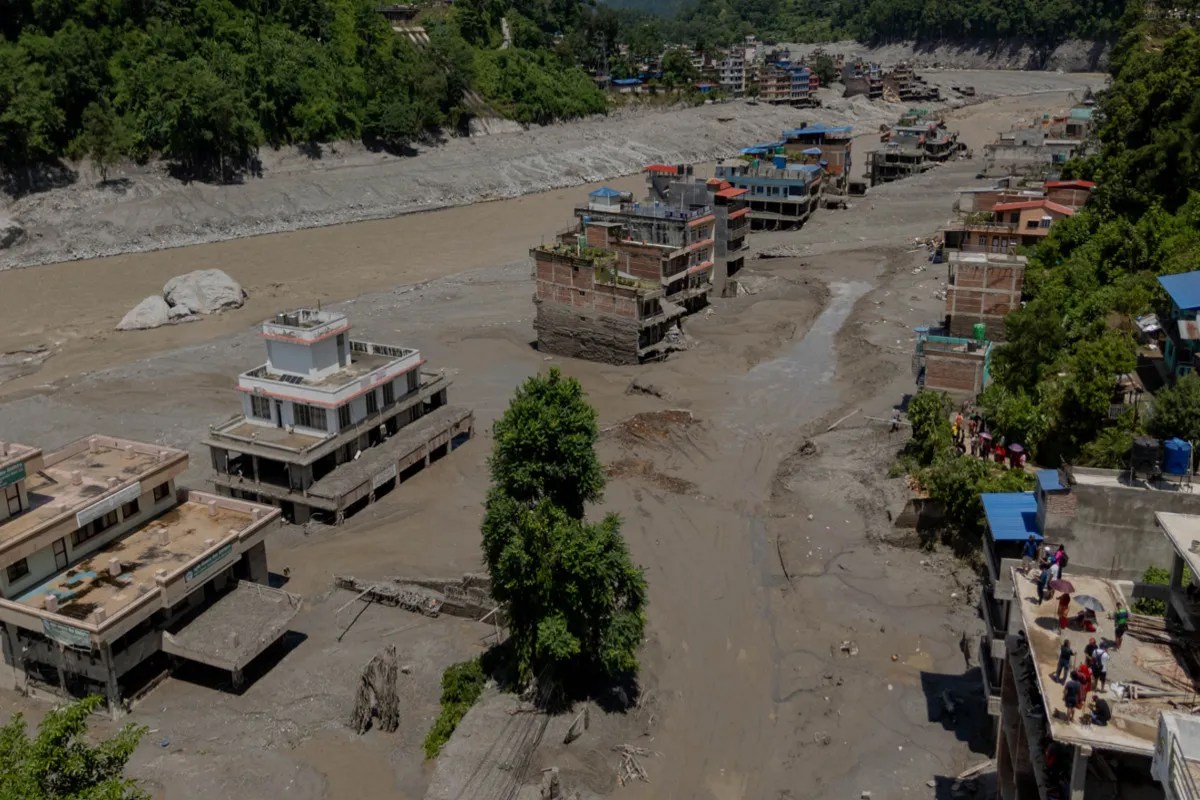
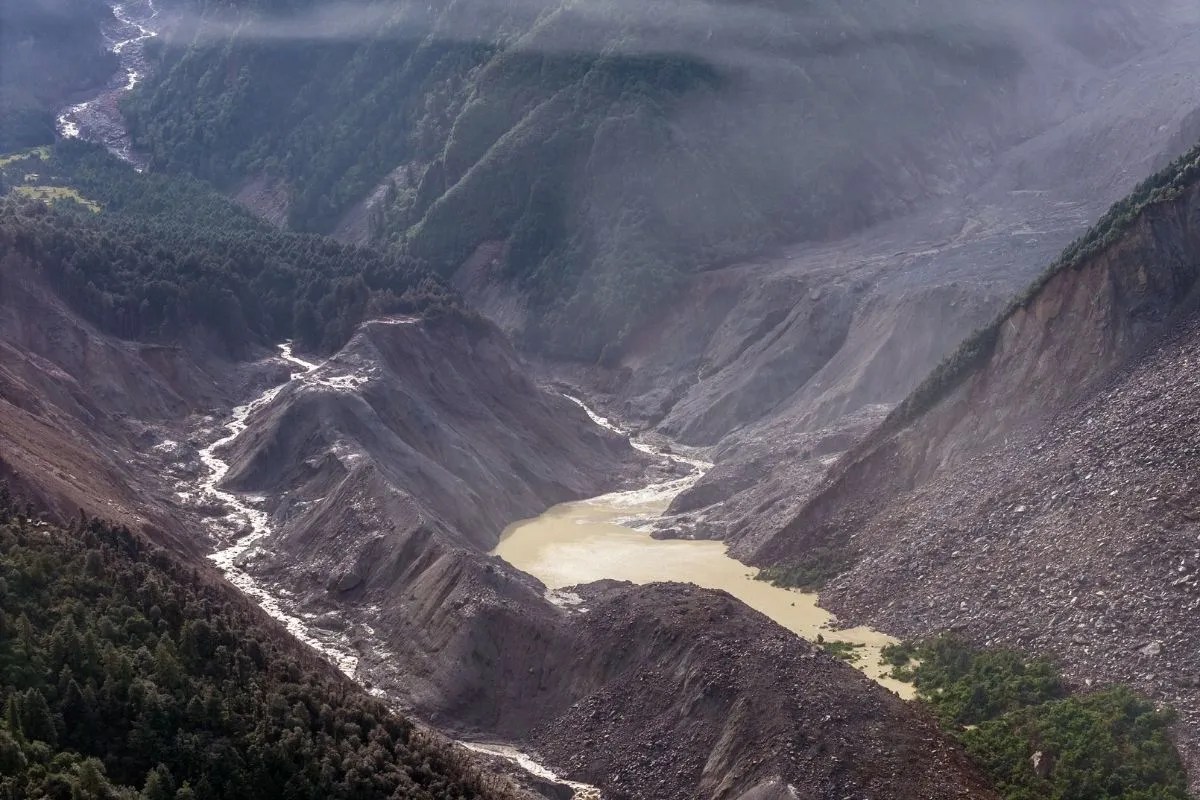
Topography dictates the trajectory of monsoon devastation. Nepal features extreme vertical relief, transitioning from lowland Gangetic plains to high-altitude Himalayan ranges within a compressed horizontal distance. This geography creates rapid hydrological concentration. Precipitation falling on deforested slopes converts instantly into high-velocity surface runoff, carrying topsoil, debris, and boulders down narrow river valleys. Discover more on a connected issue: this related article.
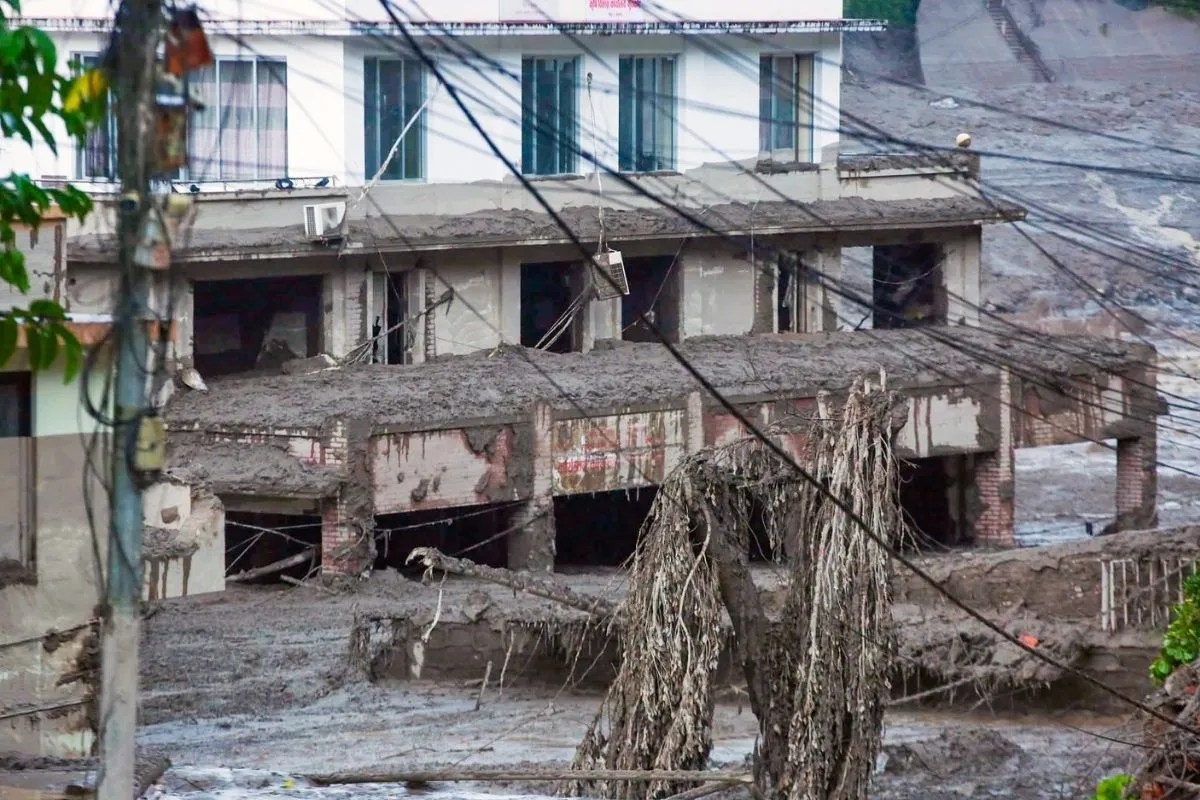
Urbanization patterns frequently ignore these hydrological pathways. Informal settlements and critical transport corridors, including major national highways such as the Prithivi and Tribhuvan arteries, are built along river terraces and unstable footpaths. When monsoon precipitation exceeds infiltration capacity, rivers breach banks and trigger mudflows that sever linear infrastructure.
The physical mechanics of these disasters involve three distinct phases: Additional journalism by Reuters highlights comparable views on this issue.
- Hydrological saturation, where prolonged precipitation exceeds soil matrix suction and pore water pressure spikes.
- Kinetic displacement, characterized by slope failure or flash flooding that converts stationary earth and water into high-energy destructive masses.
- Network fragmentation, where the destruction of a single bridge or highway segment isolates entire districts from supply chains and medical evacuation routes.
Standard crisis management models often fail because they treat these phases as isolated emergencies rather than interdependent components of a cascading systemic failure.
Emergency Response Logistics and Communication Failures
During high-mortality monsoon events, the speed of the initial response dictates survival rates. However, localized response capacity in mountainous terrain is severely constrained by structural bottlenecks.
Communication infrastructure represents the primary point of failure. Mobile towers rely on fragile power grids or vulnerable microwave links that fail immediately when landslides take out utility poles or substations. Without localized telemetry, central emergency operations centers in Kathmandu operate with high latency, relying on fragmented, delayed voice reports from local officials who may themselves be cut off.
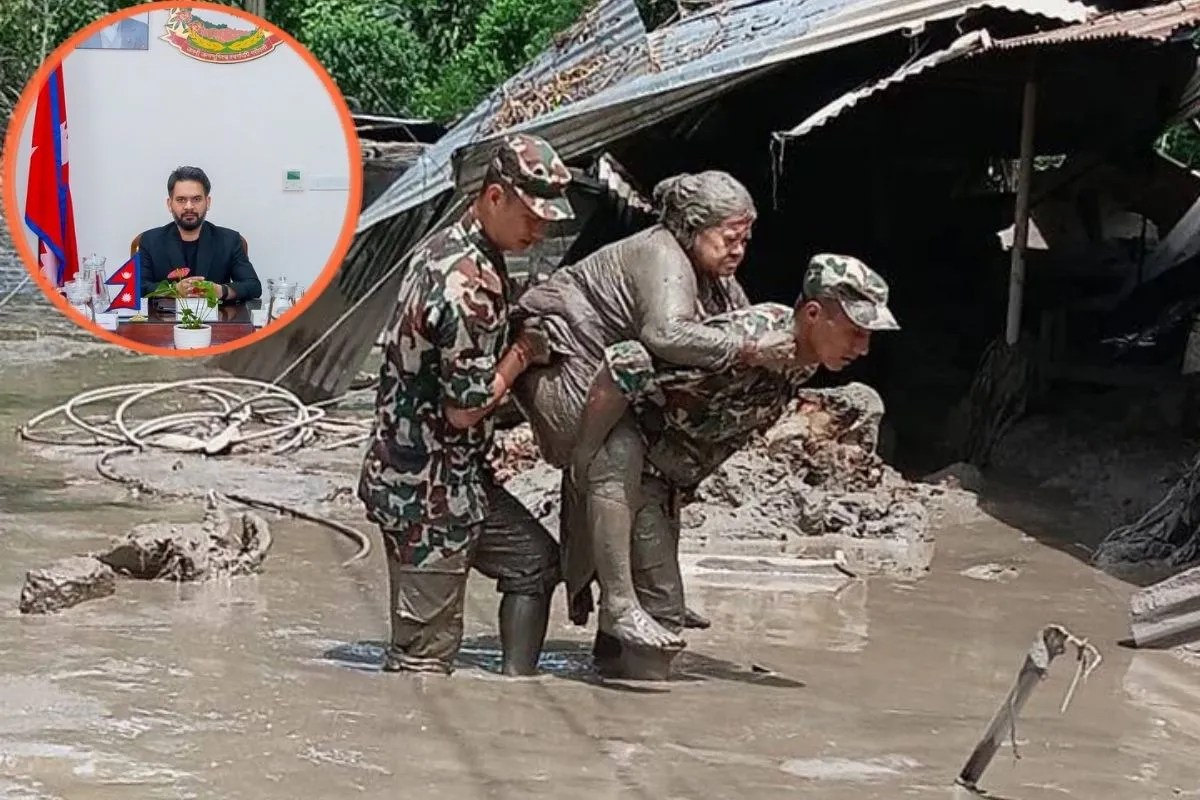
Search and rescue operations face severe resource allocation problems. Aviation assets, specifically utility helicopters capable of high-altitude hovering and confined-space extraction, are scarce relative to the geographic expanse of simultaneous disaster zones. Ground rescue teams must navigate blocked transport corridors using heavy machinery, which moves slowly through debris fields.
This creates a stark mismatch between demand and operational capacity. While international media coverage often fixates on high-profile missing persons cases involving foreign nationals or prominent local figures, the aggregate mortality and displacement heavily impact agrarian communities whose remote homesteads receive delayed tactical support.
Economic Externalities and Long-Term Recovery Constraints
The financial impact of severe monsoons extends far beyond immediate reconstruction costs. National GDP takes a structural hit through agricultural losses, tourism sector disruptions, and trade contractions caused by blocked cross-border transit routes with India and China.
Subsistence farming dominates the rural economy. When flash floods sweep away arable land, livestock, and stored grain during the planting or harvesting seasons, rural households experience an immediate collapse in household liquidity. Standard insurance penetration in these regions is near zero, meaning recovery relies on informal credit networks, remittances, and constrained state relief funds.
When households lose productive assets, they are forced into negative coping strategies: liquidating remaining livestock at distressed prices, withdrawing children from school to assist with recovery, or taking on high-interest debt from informal lenders. These measures trap vulnerable populations in cycles of chronic poverty, ensuring that a single environmental shock suppresses economic mobility for generations.
Capital Allocation and Strategic Infrastructure Hardening
Mitigating recurrent monsoon catastrophes requires transitioning from reactive humanitarian relief to preventative structural engineering and data-driven risk management. Traditional disaster management budgets heavily favor post-event reconstruction over pre-event hardening. This approach guarantees perpetual crisis loops.
Effective risk mitigation requires specific capital investments:
- Installing dense automated rain-gauge networks and real-time river telemetry linked directly to automated SMS siren systems in high-risk river basins.
- Relocating critical transport infrastructure above historical 100-year flood levels and implementing bio-engineering slope stabilization techniques, such as deep-root vegetation anchoring and gabion wall construction.
- Decentralizing emergency stockpiles of heavy machinery, medical supplies, and potable water purification units to regional hubs rather than centralizing them in the Kathmandu Valley, where they remain vulnerable to immediate transit blockages.
International aid frameworks must shift away from ad-hoc emergency appeals toward multi-year resilience financing. By pricing environmental risk into national development planning and enforcing strict zoning codes along unstable river corridors, vulnerable nations can suppress the kinetic impact of seasonal monsoons before meteorological events transform into systemic humanitarian failures.