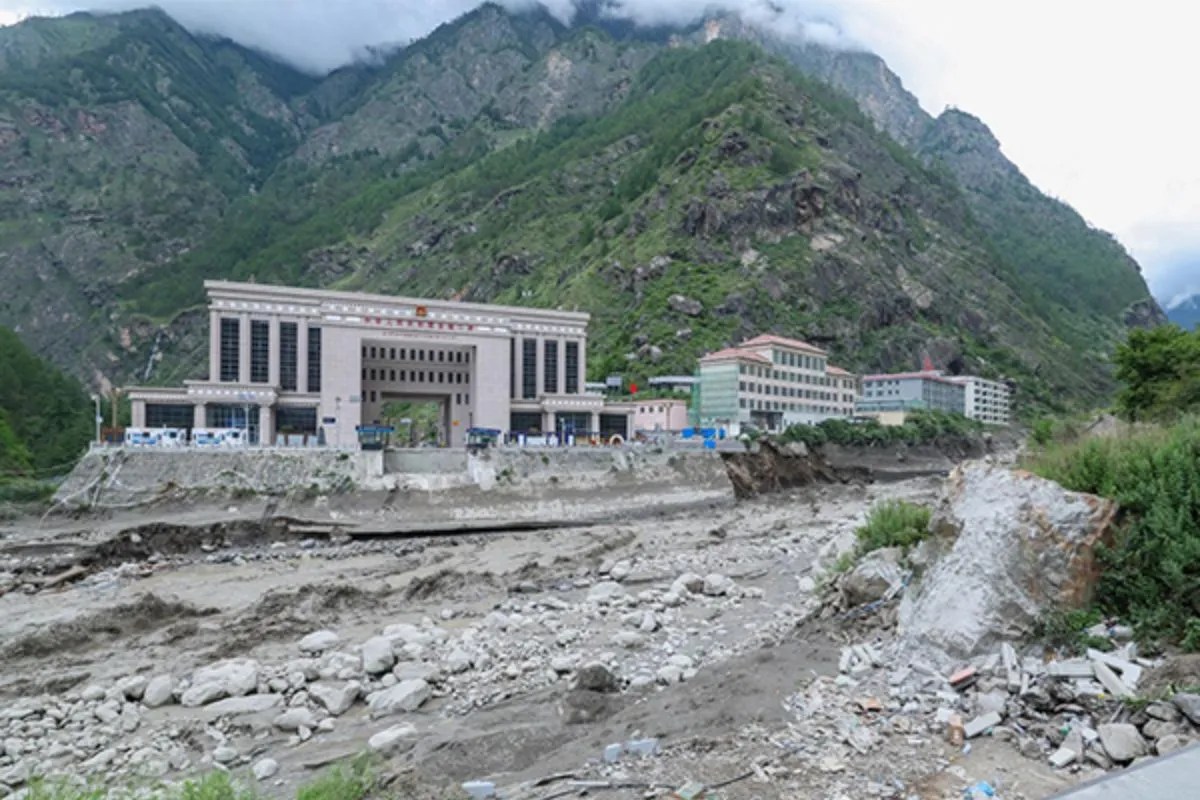
A massive wall of water and debris tore down the Himalayan border region, catching entire communities off guard. When a glacier collapse triggered catastrophic flash floods across Nepal and Tibet, critical infrastructure vanished in minutes. Major routes turned into raging torrents, isolating mountain towns and trapping thousands.
Now, weeks into the disaster, heavy machinery is finally clearing blocked pathways. Key segments of national highways are reopening, and security forces are ramping up search operations. Yet, looking past the reopening headlines reveals a much harder reality on the ground.
The Logistics Nightmare of Reopening Mountain Routes
Clearing twenty-five miles of destroyed roads in steep, unstable terrain isn't a weekend job. Military engineers and local crews have worked around the clock to restore connectivity, especially along vital arteries connecting Kathmandu to severely impacted districts like Dhading and Nuwakot.
When a highway finally reopens, it's treated as a milestone. But don't mistake a cleared lane for total normalization.
- Landslides continue to threaten repaired stretches whenever sudden monsoon showers hit.
- Heavy transport trucks carrying relief supplies face severe bottlenecks at newly built diversion points.
- Bridge collapses mean many secondary paths still rely on temporary rope crossings and footbridges.
If you are planning to travel through these regions or dispatch aid, check daily district-level bulletins. Local authorities often close routes dynamically whenever upstream river gauges spike.
Inside the Intensified Search and Rescue Phase
With roads slowly becoming passable, search operations have expanded beyond helicopter deployments into deep, debris-choked valleys. Over twenty-two thousand security personnel, alongside specialized tunnel rescue teams, are combing through thick layers of mud.
The focus has shifted intensely toward isolated pockets where construction workers and villagers were trapped inside infrastructure facilities, such as hydropower project tunnels along the Trishuli river basin. Rescuers have managed to pump fresh air through narrow drilled pipes into blocked chambers, racing against time to reach anyone still holding on underground.
At the same time, recovery teams face the grim task of identifying hundreds of bodies recovered downstream, utilizing DNA sampling before managing burials according to standard public health protocols. Family coordination centers in Kathmandu remain overwhelmed as relatives await news.
What Comes Next for Displaced Communities
Clearing mud from national highways gets traffic moving, but it doesn't rebuild homes. Thousands of displaced residents remain housed in temporary shelters and holding camps.
The physical clearing of routes is just the baseline. Long-term recovery requires stabilizing mountain slopes that remain vulnerable to barrier lakes and secondary breaches. Local governance and disaster authorities face a multi-year reconstruction bill to make these vital mountain trade and pilgrimage corridors resilient against future glacial events.
If you're tracking recovery efforts, look beyond the initial clearance announcements. True recovery is measured by how safely and permanently communities can return to their land without living under the constant threat of the next upstream alarm.


