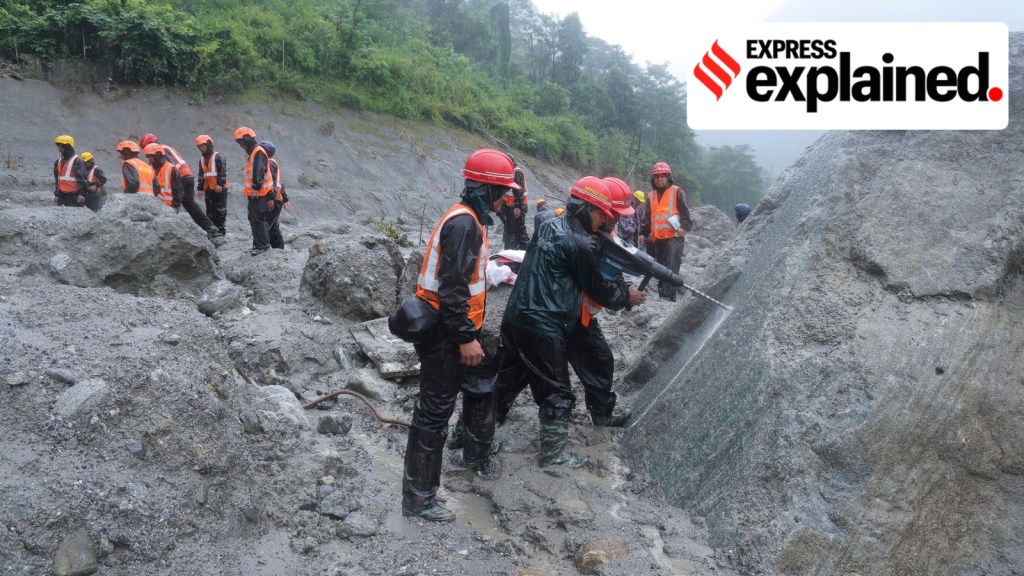
Every monsoon season, the headlines write themselves. The numbers roll in like clockwork: hundreds dead, thousands missing, official bodies scrambling, foreign aid shipments landing on tarmacs. When the death toll crossed nine hundred with thousands still unaccounted for, the global media did what it always does. They treated it as a tragedy of water. They blamed the skies. They pointed at the cloudbursts, the saturated mountain soil, the sheer meteorological fury of an unforgiving Himalayan downpour.
It is a comfortable narrative. It absolves everyone in power.
Blaming the weather is the ultimate bureaucratic shield. It treats disaster as an act of God rather than a failure of engineering, planning, and human accountability. We do not have a rainfall problem. We have a governance problem disguised as a natural hazard.
I have walked the rubble of post-disaster zones across South Asia. I have watched millions of dollars in international relief funds vanish into administrative black holes while villagers dig through mud with bare hands. The lazy consensus in mainstream reporting is that we need better forecasting and faster emergency drops. That is treating cancer with an aspirin. The entire architecture of disaster response in high-risk zones is built on a foundation of reactive theatre.
The Myth of the Unforeseeable Catastrophe
Flash floods do not happen in a vacuum. They are the predictable intersection of extreme geography and profoundly irresponsible development. For decades, local municipalities have permitted unchecked construction along natural river corridors. Road expansion projects slice through fragile mountain slopes without adequate drainage, turning every monsoon into a trigger for massive landslides.
When the inevitable happens, authorities point to rainfall statistics labeled as anomalous or unprecedented. That is statistical gaslighting. If a one-in-hundred-year event happens every three years, it is no longer an anomaly. It is your new baseline.
"We keep funding the ambulance at the bottom of the cliff while refusing to fix the broken guardrails at the top."
Consider the mechanics of the missing persons data. When thousands remain unaccounted for weeks after the water recedes, the breakdown is rarely just physical access. It is structural inefficiency. Record-keeping in remote districts relies on fragmented, paper-based local registries that cannot handle mass casualty displacement. Families search frantically across different relief camps because centralized tracking systems are virtually non-existent.
Why Traditional Relief Efforts Fail
The standard playbook for disaster management relies on international humanitarian aid workflows designed fifty years ago. A disaster strikes. Appeals go out. Aid agencies ship generic supplies—tarps, blankets, basic rations—often ignoring the specific logistical constraints of remote mountain terrain.
This creates what disaster economists call the second wave of disruption. Uncoordinated aid clogs damaged supply routes, preventing heavy machinery from reaching zones where people might still be trapped under debris. Local vendors are bypassed, destroying regional market resilience just when communities need economic lifelines the most.
The honest truth that aid organizations will never admit in their fundraising brochures is that institutional survival depends on continued crisis. If you solve the vulnerability, you shrink the budget.
The Contrarian Blueprint for Survival
If we want to stop writing obituaries for the same river basins year after year, we have to flip the model on its head.
- Criminalize Unplanned Riparian Construction: Stop treating riverbanks as real estate reserves. Enforce strict, non-negotiable buffer zones where building is a felony, not a zoning violation.
- Decentralize Cash Transfers: Abandon shipping shipping containers of canned goods. Push direct digital cash into the hands of affected households immediately. Local markets know how to source food and materials faster than any international NGO logistics chain.
- Mandate Open-Source Geospatial Auditing: Every rupee spent on slope stabilization and road cutting must be tied to public, immutable digital ledgers. If a contractor cuts corners on drainage to pocket margins, their license should be revoked permanently.
The water will rise again next year. The mountains will shift. That is nature doing what nature does. Whether the death toll matches the grim milestones of the past depends entirely on whether we have the courage to stop blaming the clouds and start prosecuting our own institutional negligence.
Stop waiting for rescue. Fix the ground beneath your feet before the next downpour washes the excuses away.