Months before a wall of mud, ice, and rock tore through Himalayan valleys and killed hundreds, officials from Nepal sat across the table from Chinese delegates in Kathmandu. They wanted one simple thing. They begged for real-time data. They asked for updates every ten minutes regarding glacial movements and rising water levels upstream in Tibet.
That diplomatic meeting in May 2026 felt urgent for a reason. The Hindu Kush Himalaya region holds over 63,700 glaciers, acting as the third pole of the planet. As global temperatures rise twice as fast as the global average in these high altitudes, those frozen giants are destabilizing. Yet, when an ice-rock avalanche triggered a catastrophic flash flood along the border, the much-discussed cross-border early warning infrastructure failed to prevent total devastation.
Let's be honest about how mountain disaster management actually works. Bureaucrats hold meetings, sign agendas, and talk about data sharing, but glaciers don't wait for diplomatic clearances. When a massive chunk of bedrock and glacier detached and cascaded thousands of feet down into the Lhende river basin, it pulverized millions of square feet of ice into a slurry of destruction. The torrent covered the distance to the border crossing in roughly ten minutes.
Ten minutes. No automated sensor network on earth can bridge that gap when the disaster originates just across an unmonitored border ridge. Chinese and international experts noted that monitoring hazards in the remote Himalayas presents massive logistical hurdles. China maintained that its data-sharing remained timely, pointing out that its meteorological centers had emailed warnings about monsoon depressions weeks prior.
However, general monsoon warnings don't stop a sudden bedrock failure.
The Reality Of Cross-Border Risk
People want to point fingers at political friction or sluggish bureaucracy. Environmental experts emphasize a harsher truth. The physical geography of the Himalayas makes instant forecasting nearly impossible. Rivers flow out of Tibet through steep, seismic gorges into densely populated districts of Nepal. When a high-altitude ice-rock avalanche unleashes energy equivalent to a major earthquake, sensors get smashed before they transmit a single packet of data.
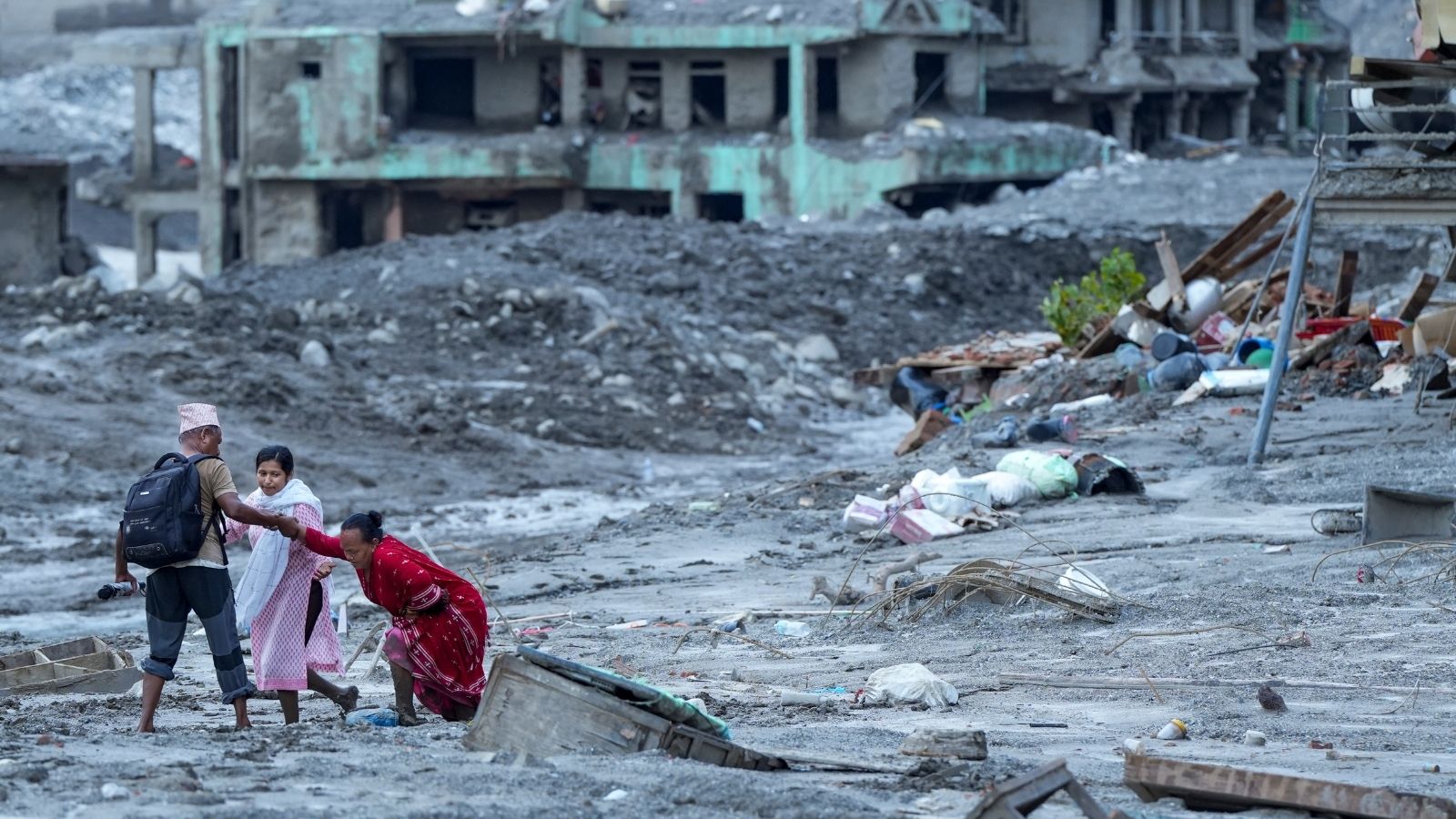
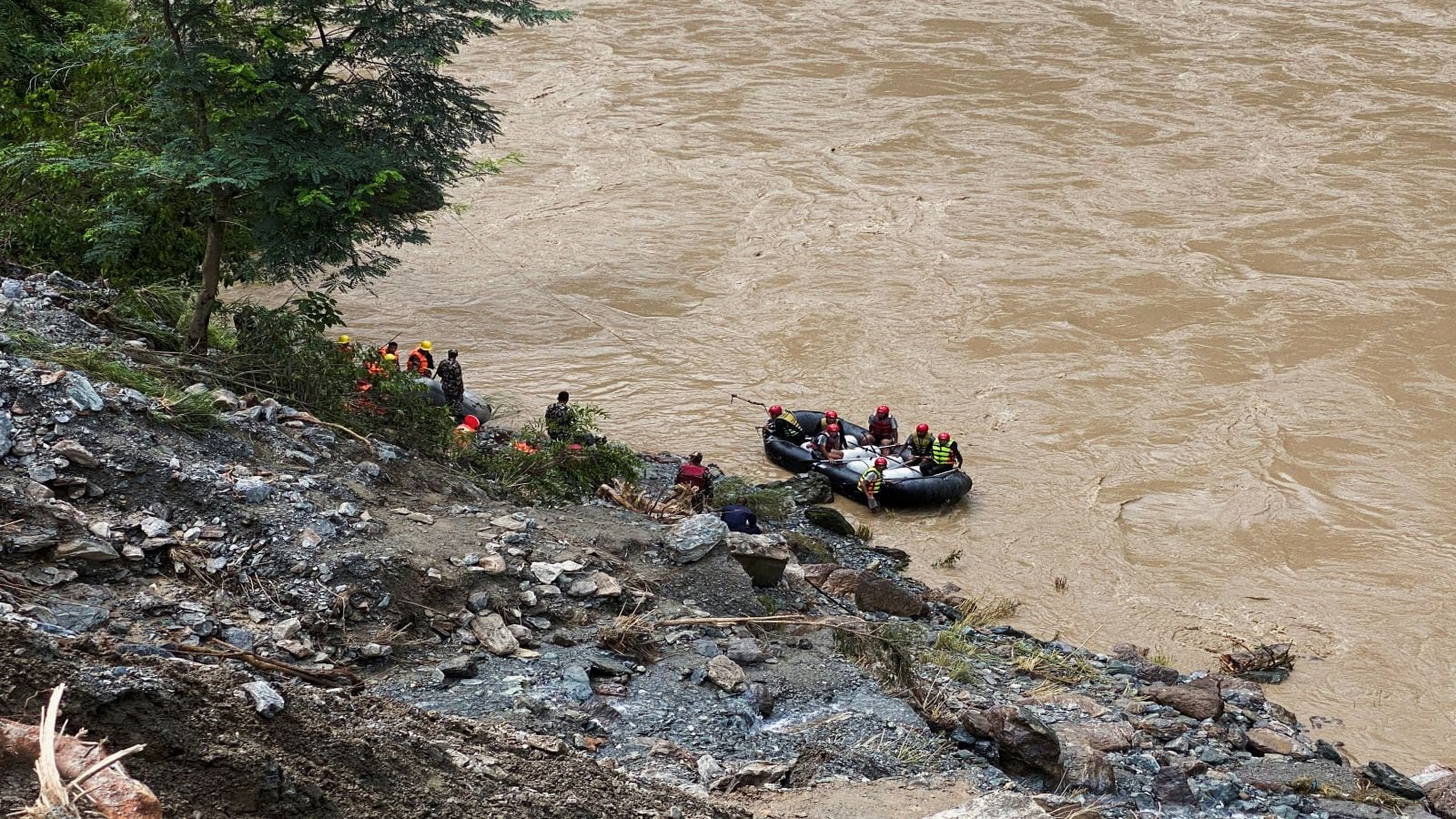
Consider what happened during the disaster itself. Monitoring stations recorded water levels surging by nine meters in thirty minutes. Bridges vanished. Highways turned into twisted scrap metal. Power generation capacity dropped sharply as plants were swallowed by debris.
Nepal already relies on a cooperative data-sharing arrangement with India for lower-elevation river basins. Adapting that model for the freezing, inaccessible peaks shared with Tibet requires far more than exchanging emails. It demands high-resolution satellite tracking of individual ice masses, continuous seismic monitors on unstable slopes, and redundant communication lines that cannot be severed by the first falling boulder.
What Needs To Happen Right Now
If you live downstream in a mountain valley, relying purely on international treaties is a losing bet. Governments must pivot toward hyper-local resilience.
- Move infrastructure away from active floodplains: Rebuilding homes and roads directly in the path of historical debris flows guarantees future tragedies.
- Install acoustic and seismic sensors: While they won't stop an avalanche, they can buy precious seconds for automated sirens to trigger downstream.
- Expand community-led drills: When a wall of water is ten minutes away, automated alerts are useless unless residents know immediately to run for higher ground without hesitating to grab belongings.
The melt won't slow down anytime soon. Mountain communities need practical engineering solutions, not just post-disaster finger-pointing.