The cabin of a transatlantic flight is a very specific kind of ecosystem. It is a fragile world suspended in the dark, held together by engineering, trust, and a collective agreement to ignore the terrifying reality of being inside a metal tube hurtling through the stratosphere.
People settle in for the long haul. They kick off their shoes. They pull blankets to their chins. They browse the movie selection, searching for something mind-numbing enough to pass the hours between New York and Madrid. The ambient noise is a low, comforting hum—the rush of air, the murmur of flight attendants, the rhythmic clink of the beverage cart.
Then, the cabin lights flash. The captain’s voice comes over the intercom. It is calm, but it possesses that distinct, unyielding authority that immediately tightens the chest of every passenger onboard.
We are turning around.
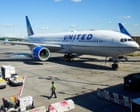
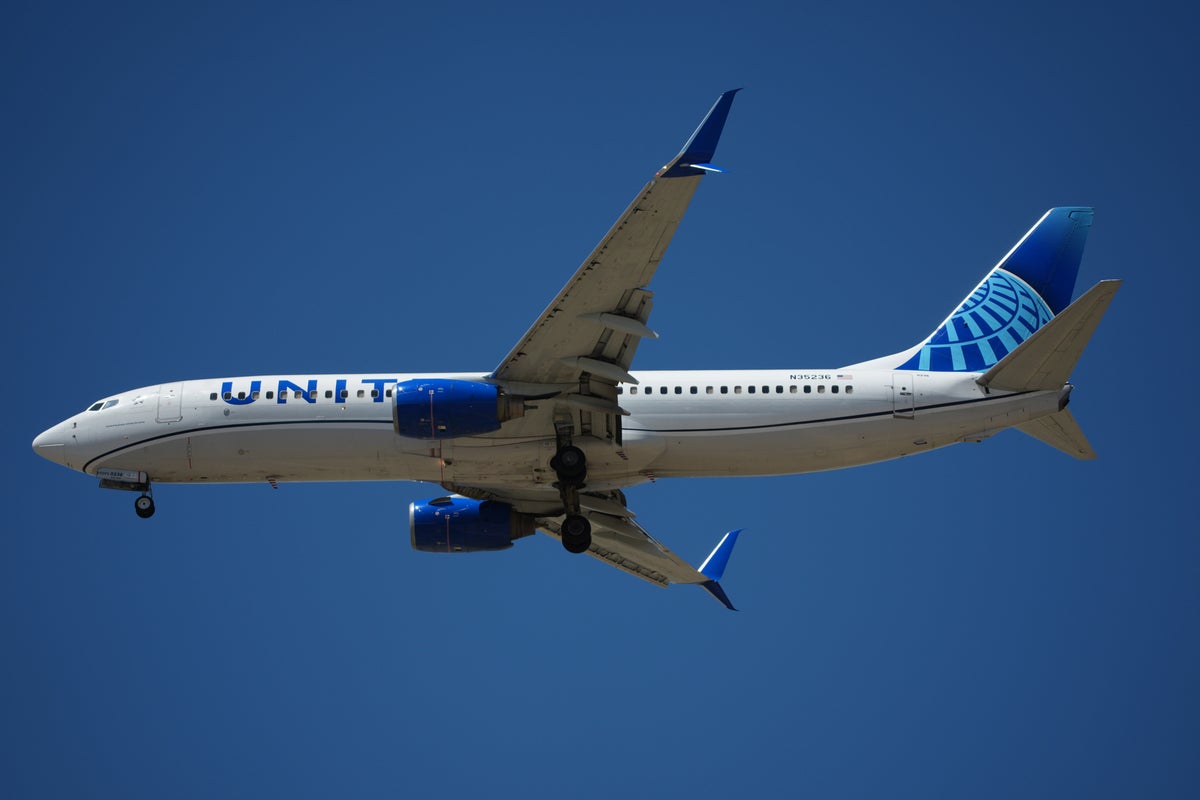
United Airlines Flight 64 was supposed to be a routine journey. It departed Newark Liberty International Airport bound for Spain, carrying hundreds of passengers looking forward to European vacations, business meetings, or homecomings. Instead, a few hours into the flight, the aircraft made a sweeping U-turn over the Atlantic Ocean, cutting its journey short to return exactly where it started.
The cause of this massive disruption was not a mechanical failure. It was not a sudden storm system blocking the path, nor was it a medical emergency requiring an immediate landing.
It was a name. Specifically, a name broadcasting from a tiny, invisible Bluetooth signal inside the cabin.
The Phantom Threat in Seat 14B
Modern travel requires us to surrender a massive amount of control. We hand over our luggage, strip off our shoes at security, and trust our lives to a flight crew we have never met. In return, we are allowed to bring our digital lives with us. We connect our wireless headphones, our smartwatches, and our tablets, creating a dense, invisible web of radio frequencies right there in the cabin.
Most of the time, this web is completely harmless. But technology has a way of amplifying human nature, including our worst impulses.
Consider a hypothetical passenger. Let's call him Mark. Mark is sitting in an aisle seat, bored. He decides to pass the time by renaming his wireless earbuds. Maybe he thinks he is being funny. Maybe he wants to see if anyone notices. He types in a phrase that, on the ground, might look like a tasteless joke or a manifestation of dark internet humor. He renames the device to something that implies a security threat. Something that contains the word "bomb" or "explosive."
He locks his phone and goes to sleep.
But a Bluetooth signal does not sleep. It constantly broadcasts its name to every device within a thirty-foot radius. It reaches the phone of a nervous flier three rows ahead. It reaches the tablet of a flight attendant checking a passenger manifest.
When that name pops up on a stranger's screen, the fragile ecosystem of the cabin instantly shatters.
Airports and airlines do not have the luxury of parsing irony. They cannot look at a suspicious network name floating in the air and assume it is just a teenager pulling a prank. In the post-9/11 world, every threat is treated as real until proven otherwise. The moment that device name was spotted by a crew member or a passenger, a silent, invisible alarm went off.
The Geometry of a Diversion
When a security scare happens over the ocean, the decision-making process is ruthless and swift. The crew must balance the safety of the passengers against the logistical nightmare of turning a massive commercial airliner around.
Imagine the scene in the cockpit. The flight attendants report the suspicious device name. The pilots attempt to locate the source, but Bluetooth signals are notoriously difficult to pinpoint in a crowded metal tube. It could belong to anyone in a five-row radius. It could be in an overhead bin, packed away in a suitcase.
The minutes tick by. The plane is flying at over five hundred miles per hour, moving further away from safety with every second. The pilots contact United Airlines corporate security and air traffic control.
The math is simple, brutal, and non-negotiable. If the threat is real, continuing over the open ocean for another five hours is an unacceptable risk. There are no diversion airports in the middle of the Atlantic.
The captain makes the call. The yoke moves. The aircraft tilts.
On the passenger screens, the little digital airplane that was pointing toward Spain slowly rotates until it points back toward New Jersey.
For the passengers, the confusion sets in immediately. A flight diversion is a deeply unsettling experience. The crew cannot always give full details over the loudspeaker; doing so might panic the crowd or tip off a potential bad actor onboard. Instead, passengers are left with vague explanations about "operational issues" or "security protocols." The air in the cabin grows thick with tension. People look at their neighbors differently. Eyes dart down the aisle. Every cough, every sudden movement, every trip to the restroom is suddenly viewed through a lens of intense suspicion.
The human mind, when left in the dark, always fills the void with the worst possible scenario.
The Cascade Effect
United Flight 64 landed back at Newark under heavy security. The plane was met on the tarmac by law enforcement vehicles, their red and blue lights reflecting off the wet asphalt. Passengers were deplaned, bags were re-screened, and K9 units were brought in to sniff through the cabin.
The device was eventually found, and the situation was cleared. There was no bomb. There was no terrorist. There was only a poorly named piece of consumer electronics and a profound lack of judgment.
But the damage was already done.
The financial cost of turning an international flight around is astronomical. A Boeing 767 or 777 burns thousands of gallons of fuel just to reach cruising altitude. Dumping or burning that fuel to land early costs tens of thousands of dollars. Then there are the landing fees, the crew compensation, and the massive logistical headache of rebooking hundreds of stranded passengers whose travel plans have been utterly ruined. Vacation days are lost. Weddings are missed. Business deals fall apart.
Yet, the economic toll pales in comparison to the psychological one.
We live in an age where our digital footprints are constantly bleeding into the physical world. We treat our devices as private sanctuaries, places where we can express ourselves without consequence. We name our Wi-Fi networks and our Bluetooth connections whatever we want, forgetting that these names are not private. They are broadcasted into the public square.
When you change a setting on your phone, you are not just interacting with a screen. You are projecting an identity into the space around you. In an environment as highly pressurized as an commercial flight, a single thoughtless word can trigger a chain reaction that disrupts lives across multiple continents.
The internet has conditioned us to believe that everything is a joke, that engagement is the only currency that matters, and that actions inside a digital interface are disconnected from physical reality. But the boundaries between the virtual and the real are entirely illusory.
The next time you board a flight, look around at the faces of the people sharing that row with you. They are tired, they are anxious, and they are trusting you with their safety. The small piece of plastic and glass in your pocket holds a strange, immense power. It can connect you to the world, or it can bring a multi-million-dollar aircraft grinding to a halt.
The plane eventually took off again, hours later, heading back toward the Atlantic. The passengers settled back into their seats, the lights dimmed once more, and the low hum of the engines returned. But the silence was a little different this time. Everyone was acutely aware of the invisible signals bouncing off the walls, and the terrible weight of a few misplaced letters.