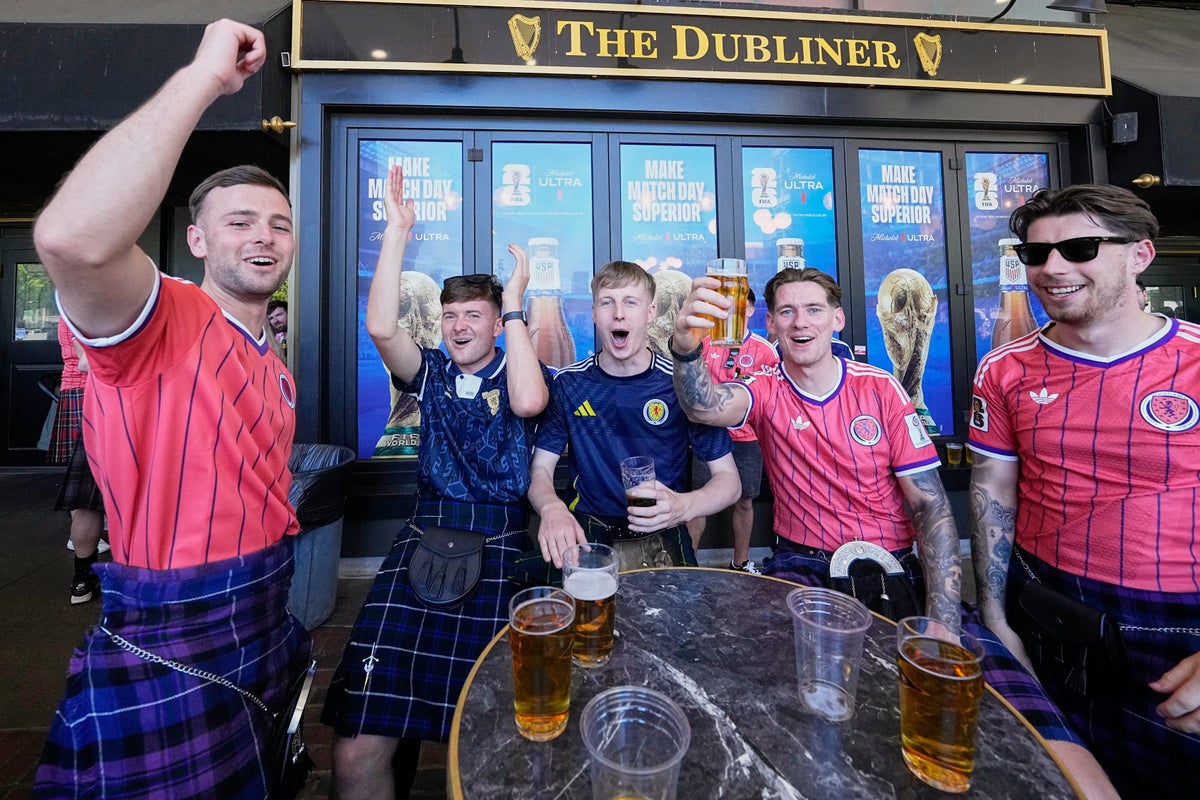
The feel-good narrative is always the same. Two sets of fans from completely different corners of the world meet in a pub, share a few pints of mass-produced lager, sing a song, and suddenly we are told a magical bond of "soccer kinship" has been forged. It is a heartwarming story that corporate sponsors love to push. It is also entirely hollow.
The lazy consensus among sports journalists covering events like the World Cup is that fandom is an inherent force for global unity. They point to Scottish fans drinking alongside locals in Boston as proof of a shared cultural awakening. They treat beer and a shared interest in a 90-minute match as a profound cross-cultural bridge.
Let’s dismantle that illusion right now. What we are witnessing in these heavily publicized fan gatherings isn't some deep, organic cultural exchange. It is the commodification of identity, packaged and sold back to us by multi-billion-dollar sports conglomerates and global beverage brands.
The Flawed Premise of the Shared Pint
The idea that international sports fandom bridges cultural divides is built on a misunderstanding of how human tribalism works. True culture is forged through shared struggle, history, and deep-seated values. Buying a twenty-dollar ticket to sit in a fan zone and drinking an overpriced industrial pilsner does not make you part of a global family. It makes you a consumer in a temporary, artificial ecosystem.
When media outlets fawn over Bostonians and traveling Scots sharing a "love of beer," they ignore a brutal reality. This isn't a authentic union of traditions; it is a flattening of culture. The local pubs that used to reflect the distinct, gritty history of their neighborhoods are increasingly replaced or remodeled into sanitized, neutral spaces designed to appeal to everyone and signify nothing. The "kinship" being celebrated is merely the shared experience of participating in a massive marketing campaign.
Consider the mechanics of modern sports tourism. Local economies rarely see the massive, long-term windfall that boosters promise. Instead, the revenue is captured by major hotel chains, international airlines, and official tournament sponsors. The fans are simply the props used to create the atmosphere that TV networks broadcast to millions of households, keeping the cycle going.
The Mirage of Inclusivity
"People Also Ask: How do sports bring diverse communities together?"
The premise of this very question is flawed because it mistakes proximity for integration. Putting thousands of people wearing the same polyester jersey into a single stadium creates temporary alignment, not community. Once the final whistle blows and the tournament ends, the tribal lines don't vanish; they simply revert to their default states.
In fact, the hyper-commercialized version of international fandom actually alienates the traditional working-class fan base that built these sports in the first place. When a ticket to a match costs a week's wages and a pint at the venue costs more than a meal, the crowd changes. The passionate, generational supporter is pushed out, replaced by affluent sports tourists who treat the event as a checkbox on a bucket list. The atmosphere becomes artificial—choreographed by stadium announcers and giant video screens telling the crowd when to cheer.
The Cost of the Feel-Good Narrative
I have spent years analyzing sports business models and watching how major tournaments reshape cities. I have seen historic supporter clubs priced out of their own stadiums. I have watched local bars get shut down because they didn't carry the "official" beer of the tournament. The downside of challenging this warm-and-fuzzy narrative is that you get labeled a cynic. People want to believe in the fairy tale of global harmony through sports.
But ignoring the corporate machinery behind modern fandom allows these organizations to operate without accountability. When we buy into the myth of "soccer kinship," we look past the corruption in international sports governing bodies. We look past the skyrocketing ticket prices that exploit loyalty. We accept a watered-down, corporate-approved version of sports culture because it feels good in the moment.
Reclaiming True Fandom
If you want actual, meaningful connection through sport, you have to look away from the mega-events and the corporate-sponsored fan zones.
- Support Local Grassroots Clubs: True community is found in the lower leagues, where your presence actually impacts the club's survival and you know the person sitting next to you by name.
- Reject the Merchandising Trap: Stop tying your identity to buying every single alternative kit and branded accessory that drops each season.
- Demand Accountability: Hold clubs and governing bodies accountable for pricing out traditional fans and turning matches into elite networking events.
Stop settling for the synthetic unity sold to you in a commercial break. Stop pretending a shared bar tab is a diplomatic breakthrough. True sporting culture isn't found in a sanitized corporate fan zone, and it certainly isn't sponsored by an international macro-brewery. It belongs to the people who live it every single day, long after the circus has left town.