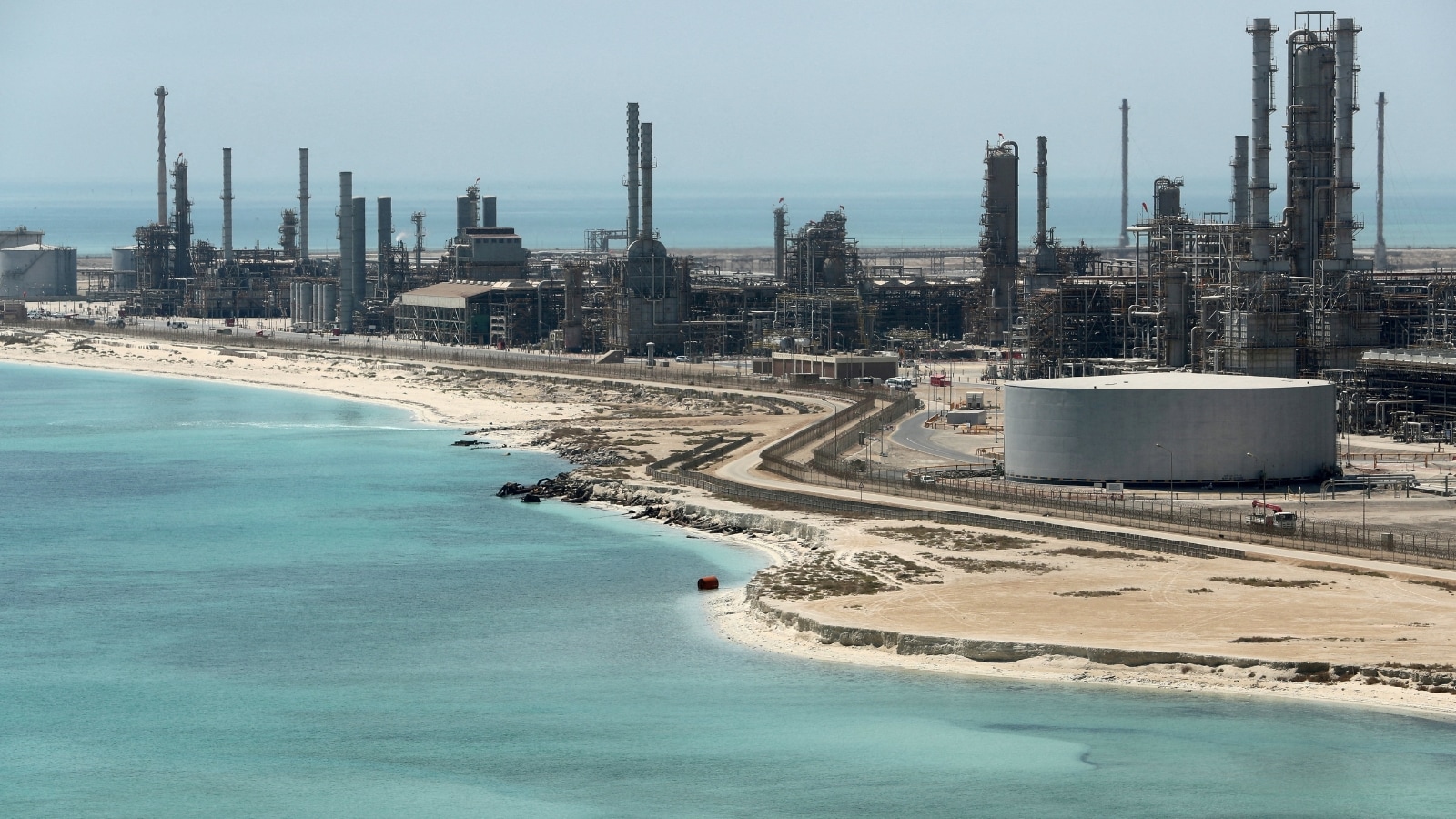
Geopolitics loves a silver bullet, and the media loves to sell it. The latest narrative dominating global trade columns is a classic: Iran threatens to choke the Strait of Hormuz, global energy markets panic, and the United Arab Emirates miraculously saves the day by constructing a shiny new port outside the Persian Gulf. It sounds like a masterstroke of supply chain resilience. It sounds logical.
It is completely wrong. Building on this topic, you can find more in: The Anatomy of Crisis Procurement: A Brutal Breakdown of the UK £10 Billion PPE Deficit.
The comforting consensus states that building a deepwater port on the eastern coast of the UAE—outside the volatile chokepoint of the strait—effectively renders the Iranian threat obsolete. This narrative assumes that international shipping is a simple game of moving a box from Point A to Point B on a map. It treats maritime logistics like a highway detour. Having analyzed regional logistics networks and watched energy conglomerates dump billions into redundant infrastructure projects, I can tell you that this bypass strategy is an expensive illusion.
You cannot outbuild geography with a concrete pier. The idea that a new port solves the Hormuz vulnerability misunderstands the mechanics of global shipping, the reality of insurance risk, and the economic forces that govern container and energy flows. Observers at CNBC have also weighed in on this situation.
The Geography Delusion: Overlooking the Bottleneck
The foundational flaw of the bypass argument rests on a failure of basic math and physical infrastructure. Let’s look at the numbers. Roughly one-fifth of the world’s petroleum passes through the Strait of Hormuz daily—usually between 20 and 21 million barrels of crude oil, condensate, and petroleum products.
To bypass the strait, that volume must go somewhere else. The existing terrestrial alternatives are already operating near their functional limits. Saudi Arabia’s East-West Pipeline can carry around 5 million barrels per day. The UAE’s own Habshan–Fujairah pipeline tops out at roughly 1.5 million barrels per day. Even if the UAE builds a massive new maritime hub on the Gulf of Oman, you still have to get the oil from the fields in the western region down to the new port.
Imagine a scenario where the strait is closed and the UAE attempts to truck or pipe its entire daily output overland across rugged terrain to a brand-new coastal facility. The domestic pipeline infrastructure simply does not have the capacity to handle the sheer volume of the Upper Zakum or Bab oil fields without massive, multi-year capital expenditures that far exceed the cost of the port itself. A port without a matching network of high-capacity overland arterial lines is just an expensive parking lot for ships that have nowhere to load.
Furthermore, a port built just outside the strait—say, in Fujairah or an adjacent emirate—is still well within the striking distance of the exact same asymmetric threats that jeopardize the Strait of Hormuz. Modern anti-ship cruise missiles, drone swarms, and mine-laying capabilities do not stop at a magical geographic line drawn by maritime lawyers. If an adversary possesses the capability to close a 21-mile-wide strait, they possess the capability to disrupt a port sitting a mere 60 miles to the east. Moving the target down the coast does not make it invisible; it just changes the coordinates on the telemetry system.
The Insurance Paradox: The Hidden Cost of Maritime Law
Let's address a question that mainstream analysts consistently ignore: Who actually pays to sail into a conflict zone?
The lazy assumption is that if a port sits outside the Persian Gulf, insurance underwriters will treat it like it is located in the middle of the Atlantic. That is not how maritime risk assessment works. The Joint War Committee (JWC) of the Lloyd’s Market Association regularly updates its Listed Areas—places where Hull War, Piracy, Terrorism, and Related Perils premiums apply.
The moment tensions spike in the Gulf of Oman, the entire region is blanketed under premium surcharges. It does not matter if your vessel is docked inside the Persian Gulf or at a new facility just outside it.
- Hull War Risk Premiums: Can skyrocket to 1% of the ship's value per voyage during an active conflict. For a $100 million Very Large Crude Carrier (VLCC), that is $1 million just to turn the engines on for a single trip.
- Crew Danger Pay: Doubles or triples the operational cost of the voyage.
- Demurrage Rates: Explode as vessels wait in safer waters for clearance.
I have sat in boardrooms where maritime executives looked at these exact balance sheets. When the risk premiums hit a certain threshold, the physical location of the dock becomes irrelevant. The financial math grounds the fleet long before a single missile is fired. By building a massive new port under the assumption that it escapes the "Hormuz Risk Zone," the UAE is betting billions on a legalistic loophole that insurance syndicates in London will rewrite in ten minutes during a real crisis.
The Container Lie: Why Liners Won't Flip the Switch
It is not just about oil. The competitor narrative claims this new port will secure containerized supply chains for the entire region. This reveals a profound ignorance of how transshipment hubs function.
Major shipping lines like MSC, Maersk, and CMA CGM do not route their massive container ships based on geopolitical anxieties; they route them based on ultra-tight margins and network density. The mega-ports of the inner Gulf—like Jebel Ali in Dubai—are not successful merely because they have deep water. They are successful because they sit at the center of an intricate, decades-old ecosystem of free zones, distribution centers, and regional feeder networks.
[Global Liner] ---> (Jebel Ali Hub) ---> [Feeder 1: Kuwait]
                                    ---> [Feeder 2: Bahrain]
                                    ---> [Feeder 3: Upper Gulf]
If a global liner unloads its cargo at a new port outside the strait to "play it safe," how does that cargo reach its final destination in Kuwait, Bahrain, or Qatar? It has to be loaded onto smaller feeder vessels that must then sail right back through the Strait of Hormuz.
Alternatively, the cargo must be moved overland via a rail network that is still scaling up, or via trucks crossing multiple international borders with all the bureaucratic friction that entails. You are not eliminating the chokepoint risk; you are simply shifting it onto the secondary legs of the journey while drastically increasing handling costs per Twenty-Foot Equivalent Unit (TEU).
The Brutal Reality of Overcapacity
Here is the truth that port authorities will never admit in a press release: The region is already facing a massive hangover of port overcapacity. Between Jebel Ali, Khalifa Port, King Abdullah Port, Salalah, and Duqm, the Middle East has more crane capacity than actual organic cargo growth justifies.
Building another mega-port is a defensive political statement, not an economic necessity. It is an attempt to capture market share from neighbors rather than a viable emergency backup plan. If a crisis occurs, the sudden surge of redirected traffic would instantly bottleneck the new port's customs, landside logistics, and storage yards, turning a maritime crisis into a terrestrial logistical nightmare.
Admitting the flaws in this strategy does have a downside. It forces nations to accept that some geopolitical risks cannot be engineered away. It means admitting that billions of dollars in infrastructure spending cannot buy absolute security when your entire economy sits next to a global chokepoint. But pretending otherwise is worse. It creates a false sense of security that leaves supply chains completely unprepared when an actual disruption occurs.
Stop looking at the blueprint of the new port. Look at the network capacity behind it. Look at the insurance maps. Look at the feeder routes. The new port is not an exit strategy from the Strait of Hormuz; it is just a grander, more expensive front-row seat to the same geopolitical theater.
If you want to secure a supply chain in the modern era, stop pouring concrete on the coast. Invest in deep strategic stockpiles at the point of consumption, diversify your raw sourcing entirely outside the geographic theater, or accept that you must defend the chokepoint rather than try to run away from it. The bypass is a fairy tale told to investors to keep stock prices steady while the ground shifts beneath their feet.