World Cup hosting partnerships are supposed to look like a unified front. But the 2026 tournament just hit a massive geopolitical wall, and Mexico is the one dealing with the fallout.
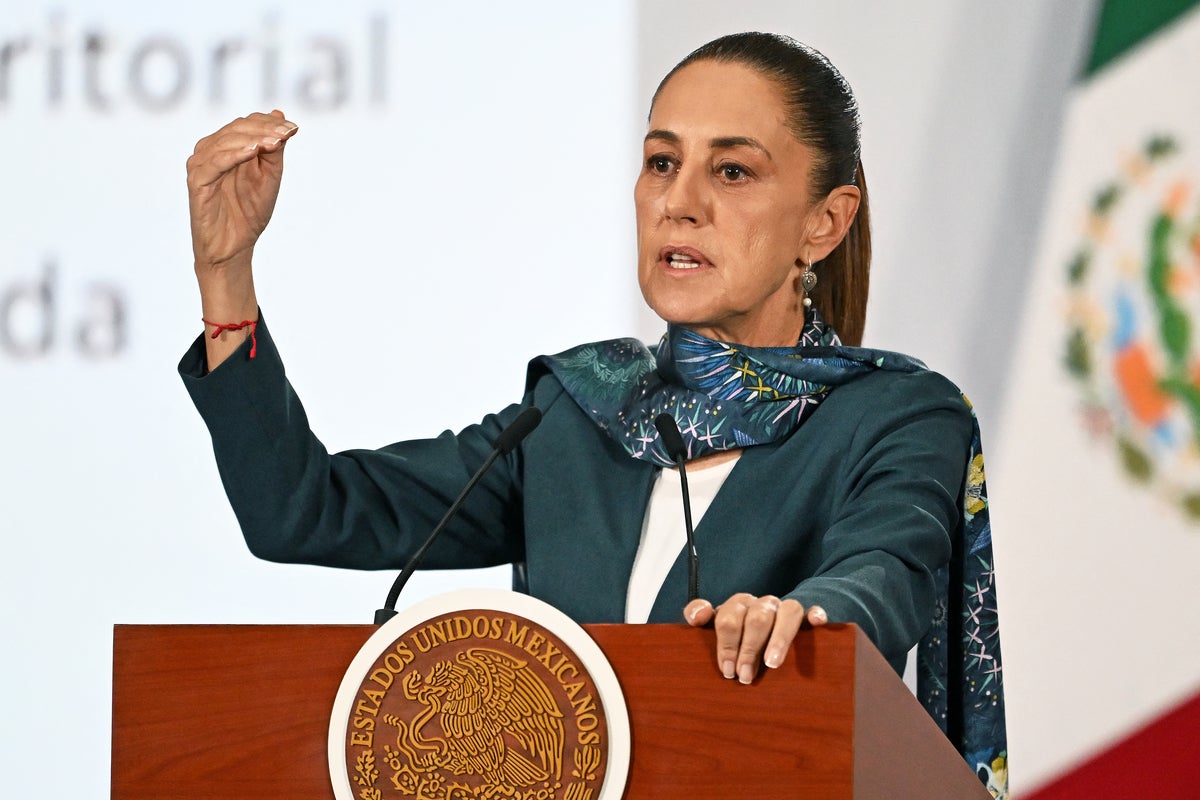
Mexican President Claudia Sheinbaum dropped a bombshell by confirming that her country will host the Iranian national football team for its base camp. The twist? Iran is supposed to play its group stage matches in the United States. But Washington wants nothing to do with them staying on American soil.
So, what happened? FIFA scrambled behind the scenes, found themselves in a corner, and asked Mexico to clean up the mess. Sheinbaum basically shrugged her shoulders and said yes.
This isn't just a minor logistical shuffle. It’s a glaring look at how the ongoing US-Iran war, which erupted in February, is bleeding directly into the biggest sporting event on earth.
The Cross-Border Commute Nobody Planned
Let's look at the facts. Iran is in Group G. They play New Zealand on June 15 in Los Angeles, Belgium on June 21 in LA, and Egypt on June 26 in Seattle. Under normal circumstances, you'd set up camp near your venues.
The original plan was Tucson, Arizona. That plan is dead.
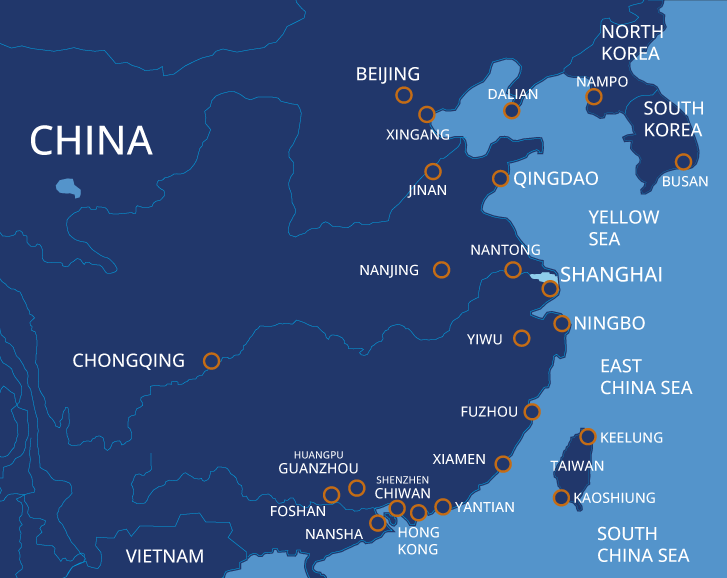
Instead, Team Melli is setting up shop in Tijuana. Yes, you read that right. The Iranian football team will live and train in a Mexican border city, then commute across the US border to play their matches, only to fly right back to Mexico to sleep.
“The United States doesn't want the Iranian national team to stay overnight in the United States,” Sheinbaum told reporters at a press briefing at the National Palace. “So they asked us if they could stay in Mexico and we said we had no problem.”
Think about the sheer madness of this setup. A World Cup squad will have to deal with international border logistics before and after playing high-stakes football games.
Visas, Airport Detentions, and the IRGC Factor
You can't blame Iran for wanting out of the US base camp setup either. Security fears are real, but the bureaucratic nightmare is worse.
The United States and Canada designate the Islamic Revolutionary Guard Corps (IRGC) as a terrorist organization. That creates a massive problem for sports. Many Iranian players and staff have mandatory military service links to the IRGC.
We already saw how bad this could get. Just last month, Canadian officials held Mehdi Taj, the president of Iran's Football Federation, at a Toronto airport for three hours of intense questioning before a FIFA conference. Taj, a former Revolutionary Guard member, got fed up and turned back.
By shifting the base camp to Tijuana, Iran side-steps the daily threat of US federal harassment. Plus, Taj noted that the move lets the squad fly directly into Mexico via Iran Air, bypassing US aviation blocks.
Why This Fractures the Unified World Cup Front
The 2026 World Cup was marketed as a seamless collaboration between the US, Canada, and Mexico. This situation proves it's anything but.
While Donald Trump posted on Truth Social that negotiations with Tehran are "proceeding nicely," his administration's refusal to let athletes sleep on US soil shows the depth of the hostility. The US State Department claims Iran is "welcome to participate," but that welcome apparently ends when the sun goes down.
Mexico’s decision to step in isn't just about being a good neighbor to FIFA. It’s a quiet assertion of sovereignty. Sheinbaum is making it clear that Mexico doesn't take orders from Washington on who can rent a hotel room within its borders.
But it leaves a ton of unresolved questions. How will border security handle a sanctioned nation's athletic delegation traveling back and forth under tight game schedules? FIFA, along with Mexico's representative Gabriela Cuevas and the Tourism Ministry, are currently scrambling to iron out these details.
The High Cost of Mixing Sports with War
Iran didn't come to this tournament quietly. They laid down ten strict conditions to FIFA just to participate. They demanded guaranteed visas, respect for their anthem and flag, and heightened security at every hotel and transit route.
Tijuana actually offers a strange geographical perk. It’s a 55-minute flight to Los Angeles. From a pure flight-time perspective, it works. But emotionally and politically, the team will be operating in a pressure cooker.
This cross-border setup is unprecedented. We’ve seen co-hosted tournaments before, but we’ve never seen a team exiled to a neighboring country because the primary host is at war with their homeland.
If you're managing or booking international corporate travel around the Southern California matches, expect massive security bottlenecks. The Tijuana-San Diego border corridor is already one of the busiest in the world. Throwing an embattled national soccer team and its security detail into that mix during a tournament month is bound to cause friction.
Keep an eye on the flight schedules between Tijuana and LAX as June 11 approaches. The logistics of this tournament just got a lot more complicated than anyone is willing to admit.