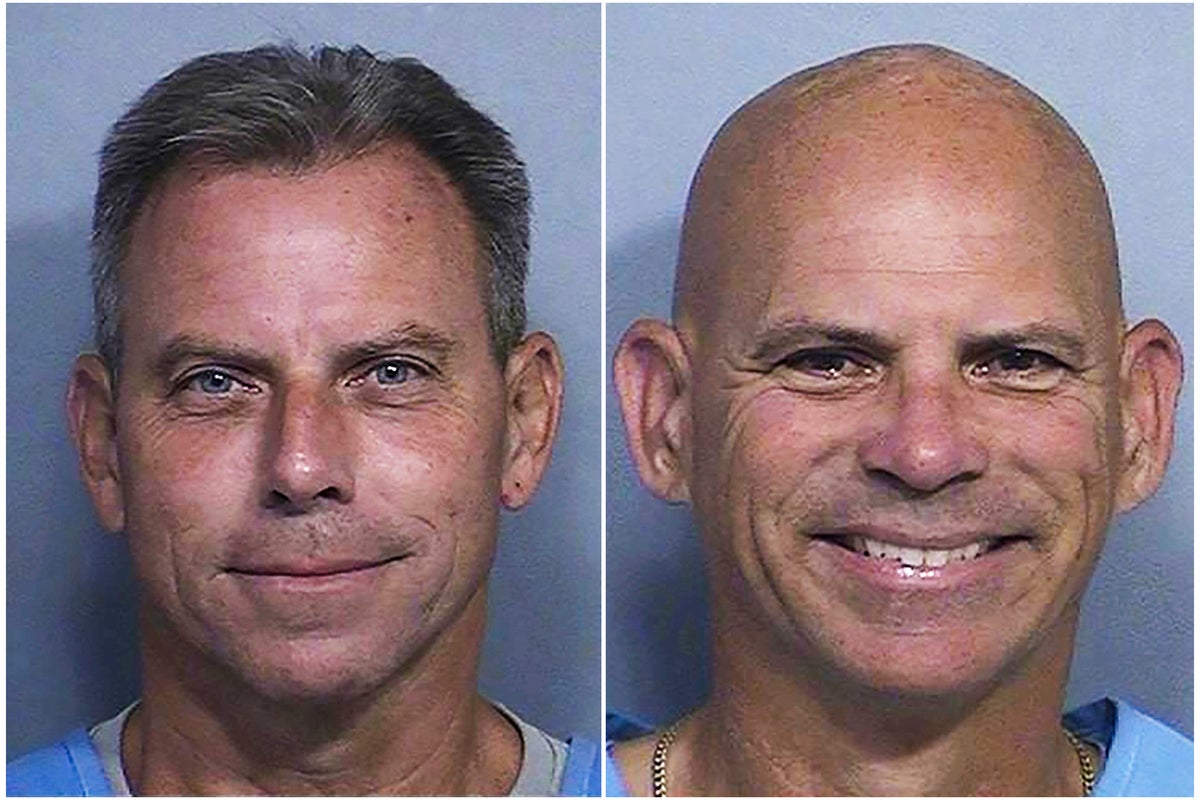
Erik and Lyle Menendez are stepping back into the legal spotlight as their upcoming parole hearings get moved up. Decades after the 1989 killings of Jose and Kitty Menendez in Beverly Hills, the timeline for their potential release continues to shift. You might wonder why a case from the late twentieth century still commands front-page news. Public fascination never really died. Pop culture revivals and intense debates over childhood trauma keep the spotlight firmly fixed on them.
Let us look at what actually changed behind the scenes.
The Sentence Modification That Started It All
For years, a life sentence without the possibility of parole meant exactly that. The brothers were locked into a permanent legal corner following their 1996 conviction. That wall cracked open when a Los Angeles judge reduced their punishment to 50 years to life.
Why did that specific adjustment matter? Because they were under 26 years old when the crimes occurred, California law classified them as youthful offenders. That status unlocked immediate parole eligibility, transforming an impossible prison sentence into something with a theoretical endpoint.
The initial board hearings didn't go their way. Commissioners pointed to past infractions, such as unauthorized cellphone use or lingering behavioral flags, to deny immediate release. Standard procedure meant waiting years for another shot. Yet the state corrections system allows for accelerated timelines if new circumstances or positive rehabilitation metrics emerge.
Inside Decades of Rehabilitation
Prison changes people, or at least it forces a stark choice about how to survive an endless sentence. Erik and Lyle didn't just sit in a cell. They built structured routines inside the Richard J. Donovan Correctional Facility in San Diego.
Family members and supporters point to tangible contributions. They helped establish prison hospice programs and participated in peer guidance initiatives. Critics argue that good behavior inside a controlled environment doesn't erase violent crimes. Supporters counter that decades of clean institutional records and community building signal true rehabilitation.
The legal arguments always circle back to the core defense. From day one, the brothers claimed they acted out of fear after enduring severe abuse. While courts rejected those claims during the second trial, public perception shifted dramatically over the decades. Society views domestic trauma and abuse dynamics differently now than it did in the 1990s.
What Happens Next in the Legal Process
The upcoming hearings in spring 2027 give both brothers another opportunity to convince parole commissioners they no longer pose a threat to public safety. Passing the board is only the first hurdle. Any recommendation for release ultimately lands on the governor's desk for final review.
You won't find an easy consensus on this case. Some see a calculated murder plot driven by greed. Others see victims of horrific domestic environments who reached a catastrophic breaking point. Keep an eye on the upcoming board decisions, because this legal saga is rewriting itself in real time.
Erik and Lyle Menendez are now eligible for parole decades after killing their parents
This video provides a concise overview of the Menendez brothers' journey toward parole eligibility after spending decades behind bars.
http://googleusercontent.com/youtube_content/1