Imagine spending five months hunting for secondhand furniture on Facebook Marketplace, laying down fresh coats of paint, wiring plumbing yourself, and pouring your life savings into a dream—only to watch it melt into soot three months after opening.
That is what happened to Ashish Sharma and Manali Purohit in Fitzroy North, Melbourne. Their vegan cafe, And Bodega, opened in July 2026. Around 3:45 a.m. on Monday, October 12, 2026, an explosion tore through a neighbouring tobacconist on St Georges Road. The tobacco shop was wiped out, and the fire blasted into And Bodega and nearby shops.
To most quick-hit news readers, this reads like a sad viral clip about an Indian-origin couple losing roughly Rs 94 lakh (around A$100,000) in a suspected arson attack. Look closer, though. This isn't a random act of hate against a cafe. It's collateral damage from Melbourne's brutal illicit tobacco turf war, exposing an insurance trap and a tax policy failure that small business owners rarely see coming until the smoke clears.
What Actually Happened to And Bodega in Fitzroy North
Most short summaries stop at the fire. They miss the compounding gut punches that hit Sharma and Purohit in the hours and days after the blast.
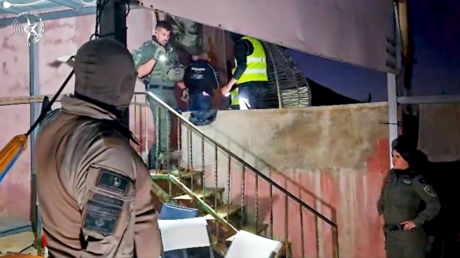
First came the fire itself. Investigators believe offenders forced entry into the tobacconist next door and set it alight. Sharma described walking into a scene that felt like a warzone, with a melted roof, canisters scattered across the space, and soot coating everything. A nearby resident told ABC that the force of the explosion shook her apartment building.
Then came salt in the wound. The day after the firebombing, thieves stole roughly $5,000 worth of technology and equipment from the damaged cafe. When you're already staring at charred walls and ruined gear, getting robbed on top of an arson attack feels surreal.
And then came the math. Rebuilding the cafe at that same location is estimated to cost around $100,000. Yet the couple's contents insurance—which they took out before the tobacco store even opened next door—is expected to pay out only about $25,000. That leaves a massive $75,000 hole.
"We put in basically all our life savings. We did a lot of it DIY." — Ashish Sharma, co-owner of And Bodega, speaking to The Guardian
💡 You might also like: Washington Shifts Stance as Envoy Redefines Kashmir Status
Instead of folding, the newlyweds launched a crowdfunding campaign to cover repairs, replace stolen gear, pay staff and suppliers, and aim for a smaller hole-in-the-wall setup serving coffee and baked goods. Neighbors brought ice cream to their door in solidarity. Community spirit helps pay morale, sure, though it doesn't replace commercial ovens or espresso machines.
Why Melbourne Cafe Arson Keeps Hitting Innocent Neighbours
If you haven't been tracking Victoria's underworld over the past few years, a firebombing at 3:45 a.m. sounds bizarre. In Melbourne, it's a grimly familiar pattern.
Since 2023, hundreds of tobacco shops across Melbourne have been targeted in suspected arson attacks and firebombings tied to illicit tobacco disputes. Crime groups fight over retail turf, extortion, and supply lines for cheap, untaxed cigarettes. Police noted there was no indication the targeted tobacconist in this incident was selling illicit tobacco—which makes being next door to one all the more unpredictable.
Here's the economic fuel driving the whole mess. Australia's high excise taxes on legal cigarettes make legitimate packs expensive, while under-the-counter illicit cigarettes sell for a fraction of the price. That price gap creates huge black-market margins for organized crime syndicates.
After the fire, Sharma called on Australia to slash its tobacco tax. That isn't just emotional venting from a burnt-out shop owner; it echoes arguments from economists and retail advocates who warn that steep tax hikes can push more buyers toward black-market supply and intensify enforcement and criminal turf battles. At the same time, public health advocates and policymakers debate whether tax cuts undermine long-term smoking reduction goals. Honestly, there's no easy consensus in Canberra or Melbourne, and small hospitality owners are stuck right in the blast radius.
In my view, blaming innocent cafe owners for picking a retail strip is completely backwards. Nobody signs a commercial lease expecting a black-market fire next door. Still, the reality on the ground in high-risk retail strips is harsh: when a neighbour sells tobacco in a volatile market, your risk profile shifts overnight.
The Commercial Insurance Trap Small Owners Miss
One detail in the And Bodega story deserves way more attention than viral posts give it: the couple bought contents insurance before the tobacco shop opened next door.
In commercial leasing and small business finance, people often treat insurance as a "set it and forget it" box to tick before opening day. Big mistake.
Commercial insurers assess risk on a case-by-case basis, and when surrounding risk profiles change—like a wave of arson attacks hitting nearby retail strips—terms, premiums, and coverage limits can tighten. Even when a policy is active, standard contents cover may fall far short of full strip-out, compliance upgrades, business interruption, or replacement costs after a major fire.
What goes wrong in real-world claims?
- Underinsurance on fit-outs: DIY renovations and secondhand gear save money upfront, which is smart when launching. Yet if you don't regularly update replacement values—or if you get a capped payout like the expected $25,000 figure—rebuilding from scratch becomes brutally expensive.
- Post-disaster security gaps: Damaged storefronts with broken glass, compromised locks, or no power are prime targets for opportunistic looters. Equipment stolen the day after a fire adds another layer of loss and paperwork.
- Foot-traffic fallout: Even businesses that escape major structural flames can lose revenue and customer confidence when a street gets associated with arson and crime reports, as noted in reporting citing the Australian Criminal Intelligence Commission.
Let's be fair to insurers, too. Insurers aren't charities, and concentrated arson waves across dozens of suburbs strain risk models. If premiums spike or cover narrows near high-incident zones, business owners feel squeezed from both sides.
Lessons for Anyone Opening a Cafe or Retail Shop
Whether you're eyeing a corner cafe in Melbourne, a bakery in Mumbai, or a shop anywhere else, the story behind this firebombing offers practical lessons beyond sympathy clicks.
- Check neighbour uses before signing: Look closely at adjacent tenancies—especially high-risk retail like tobacconists, late-night venues, or vacant lots with weak security. Ask about shared walls, fire separations, and roof construction.
- Audit your policy after any neighbourhood shift: Don't wait until renewal to ask your broker what a neighbouring business change means for your policy. Ask specifically about fire/arson limits, business interruption coverage, and theft after property damage.
- Keep a lean pivot plan: Sharma and Purohit talked about restarting as a smaller coffee-and-baked-goods spot rather than immediately chasing the exact same large footprint. Keeping overhead flexible—and documenting equipment serial numbers and receipts off-site or in the cloud—helps if disaster strikes.
- Separate hype from evidence: Viral headlines love dramatic numbers like Rs 94 lakh or "dream cafe destroyed," and they're right to spotlight human loss. Just remember to check verified police and reporting details rather than assuming motives before investigators confirm them.
Losing a brand-new business to someone else's criminal mess is infuriating. You do the honest work, put in the sweat, and still pay the price. If you're planning a hospitality launch or reviewing a commercial lease right now, walk the block at night, pull your current insurance schedule, and ask your broker to walk you through a worst-case neighbouring fire scenario line by line.