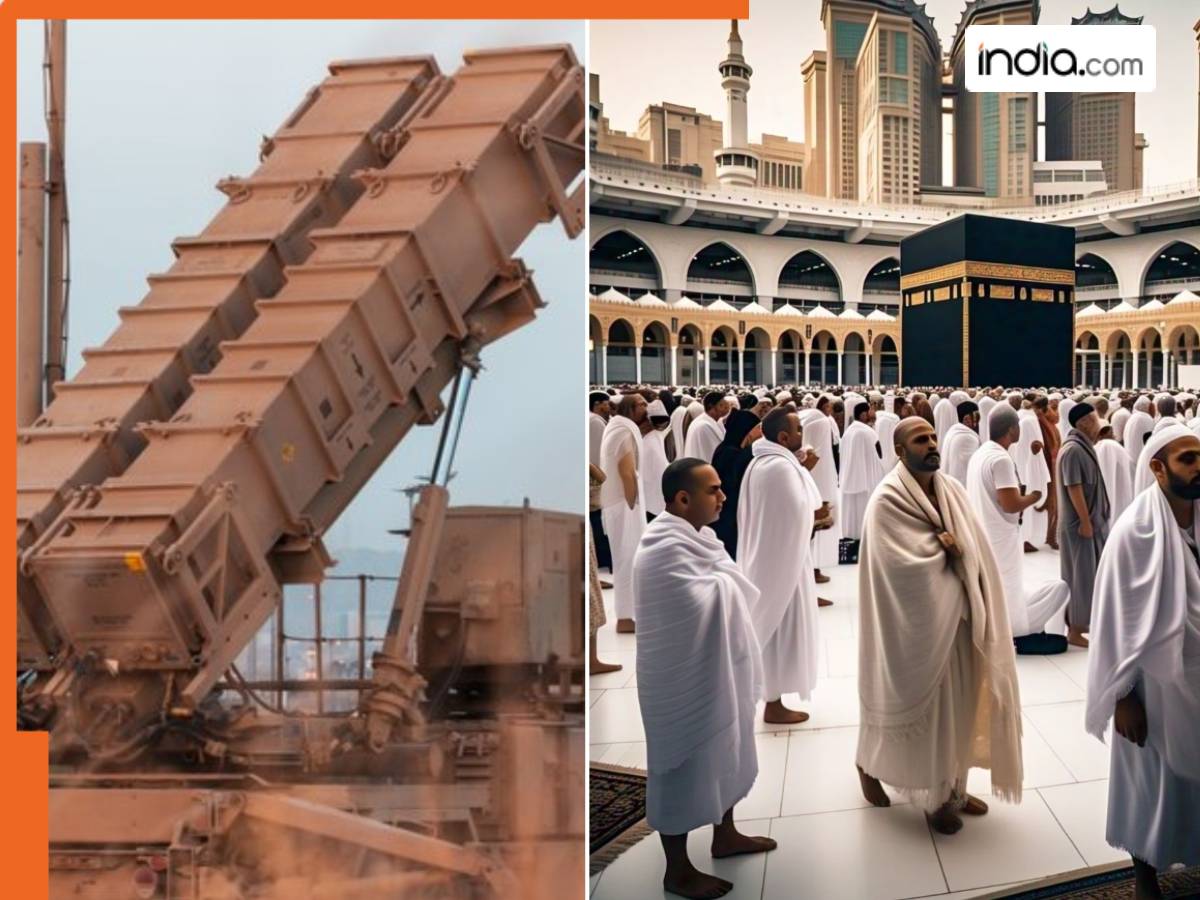
The chattering class is obsessed with a phantom. They call it the "Mecca Defence Pact," a mystical, cross-continental security umbrella supposedly waiting to be unfurled between New Delhi and Riyadh. Every time tensions flare in the subcontinent, the pundits crawl out of the woodwork to argue that India must secure a formal military alliance with Saudi Arabia to finally neutralize Pakistan.
It is a fairy tale. And it is a dangerous one. Meanwhile, you can read similar events here: Why Europe Is Quietly Losing Its Food Security.
While you were busy reading headlines about "Op Sindoor 2.0"—the inevitable, knee-jerk sequel to the 2025 border conflagration—you missed the real game. India doesn't need a formal defence pact with Saudi Arabia. India already has something better: a relationship that doesn't rely on the clunky, fragile bureaucracy of a treaty.
Stop viewing foreign policy through the lens of Cold War-era paper alliances. Those documents aren't worth the ink they're printed on when the chips are down. To understand the bigger picture, we recommend the excellent analysis by Reuters.
The Illusion of the Paper Shield
The premise of the "Mecca Defence Pact" is that Saudi Arabia, a fellow adversary of extremism, will eventually commit its military might to India’s corner in a conflict with Islamabad. This is absurd. Riyadh is not a client state, and it certainly isn't a proxy for Indian regional interests.
The Saudi-Indian Strategic Partnership Council is already the mechanism that matters. It isn't a "pact" designed to send Saudi jets into Pakistani airspace; it is a sophisticated, multi-domain framework covering energy security, cybersecurity, and counter-terrorism. I have watched analysts obsess over military hardware sales while ignoring the fact that digital infrastructure and critical energy supply chains are the true modern battlefields.
When you focus on the "pact," you lose the ability to see the "process."
Why You’re Asking the Wrong Question
People ask: "Can India force a defence pact with Saudi Arabia to secure its western flank?"
The question itself is flawed. It assumes that security is something you buy, like a subscription service, by signing a piece of paper. It isn't. Security is earned through alignment.
Imagine a scenario where India and Saudi Arabia signed a binding "defence pact" tomorrow. What happens on day two? You would have a massive, public diplomatic crisis with every other stakeholder in the region. You would turn a quiet, back-channel cooperation—which is currently flourishing in the shadows—into a high-stakes, public liability that neither side wants.
Saudi Arabia’s Vision 2030 requires stability, not involvement in a subcontinental war. Their interest in India is about the future of energy, the security of their digital smart cities like NEOM, and diversifying their own dependencies. Forcing them into a "pact" would actually limit India's room for maneuver.
The Real Strategic Edge
If you want to understand how India is actually winning, look at the integration of cybersecurity and the Strategic Partnership Council.
India’s strength isn't in its ability to force Riyadh into a military marriage; it’s in the quiet, technical integration of Indian tech firms into Saudi digital infrastructure. When Indian software secures Saudi pipelines, that is a deeper, more permanent security guarantee than any treaty.
I have seen countless governments waste time chasing "historic" announcements that never materialize. Meanwhile, the real professionals are busy building the boring, unsexy stuff—shared databases, joint cybersecurity task forces, and cross-border energy resilience projects.
Dismantling the Op Sindoor 2.0 Hype
The armchair generals screaming for "Op Sindoor 2.0" haven't learned a thing from the 2025 conflict. They think a sequel will be cleaner, faster, or more decisive. They ignore the diplomatic quagmire that followed the original strikes, where international pressure and mediation offers nearly derailed India’s long-term objectives.
If India is to survive in a volatile region, it must abandon the desire for a "Big Brother" in Riyadh. A "Mecca Defence Pact" would be a leash, not a sword.
The strategy should be simple:
- Double down on the Strategic Partnership Council. Keep it institutional, keep it boring, and keep it private.
- Prioritize economic integration over military signaling. You control the market; you control the security.
- Ignore the siren song of public treaties. Formal alliances are for nations that lack the soft power to exert influence without them.
India is currently the most targeted nation in the world for cyber-threats, and its economic resilience is tied to its digital public infrastructure. Every dollar spent trying to lobby for an imaginary military pact is a dollar stolen from the technological and energy integration that makes India indispensable to Riyadh.
Stop looking for a saviour on the Arabian Peninsula. Start building the architecture that makes it impossible for the world to ignore India’s interests, regardless of what's written on a piece of paper.