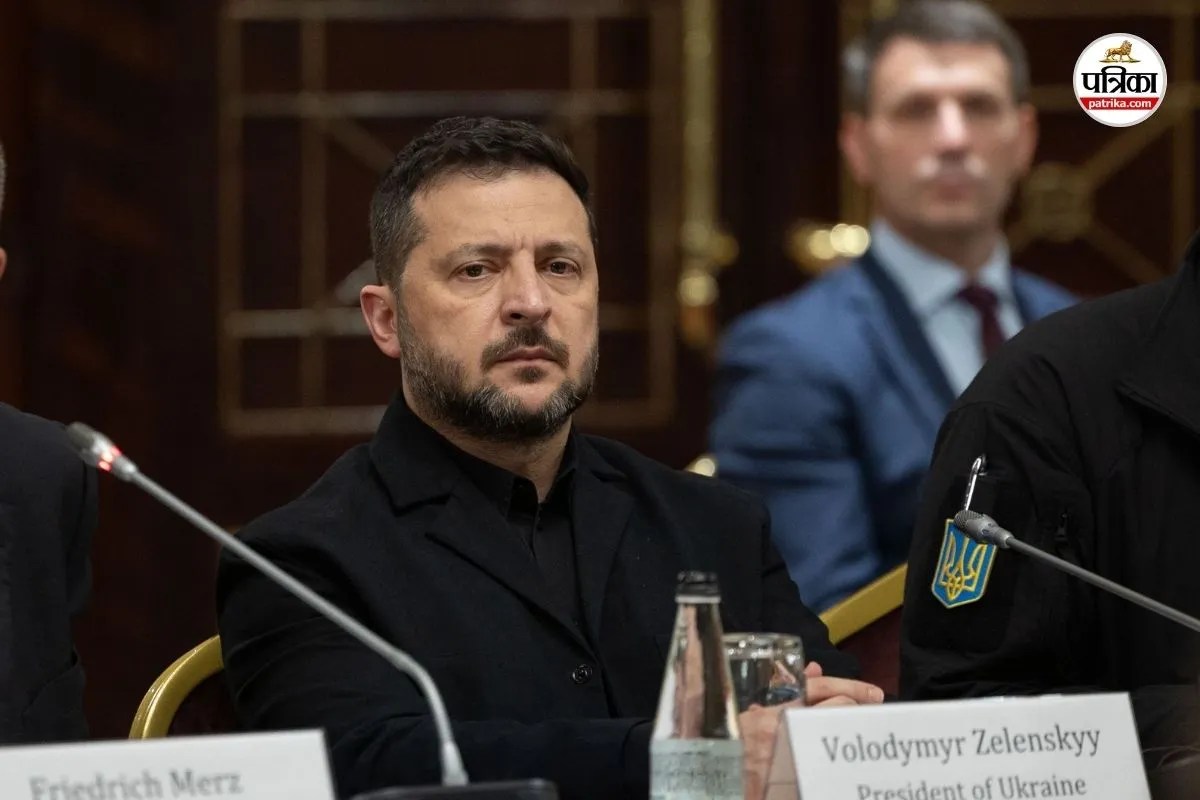
Protracted state conflicts operate under strict economic and logistical constraints where political endurance functions as a finite resource. When Volodymyr Zelenskyy engages leadership figures such as European Council President Antonio Costa for accelerated institutional backing, the interaction reflects a fundamental reality of modern attrition warfare. Material expenditure outpaces domestic production capacity, forcing dependent nations into recurring dependency cycles with multilateral donors. Understanding this dynamic requires examining the structural friction points governing institutional aid, industrial manufacturing bottlenecks, and the macro-fiscal thresholds dictating military sustainability.
The Structural Mechanics of Attrition
Military endurance in a protracted engagement depends on three distinct variables: materiel replenishment velocity, treasury liquidity, and workforce demographic availability. When combat operations settle into static frontlines, expenditure formulas shift from high-mobility maneuver metrics to fixed consumption rates of artillery shells, armored platforms, and air defense interceptors.
The primary structural limitation facing the Ukrainian defense apparatus involves asymmetric production capacities. Domestic manufacturing facilities operate under constant kinetic threat, restricting output to decentralized, low-volume assembly or repair operations. Consequently, strategic survival relies entirely on external supply chains.
Donor nations, particularly within the European Union, manage their own internal friction. Fiscal rules, parliamentary approval cycles, and budgetary deficits create structural delays between political pledges and physical deliveries. When leadership appeals for emergency assistance, the underlying driver is not merely operational enhancement, but the prevention of supply chain fracture at critical logistical nodes.
The Fiscal Architecture of European Support
Institutional burden-sharing within the European Union operates through complex legislative instruments and budgetary allocations. Antonio Costa, heading the European Council, navigates a fractured political environment where member states maintain divergent national priorities regarding fiscal exposure and security commitments.
The financial architecture supporting Kyiv is divided into multi-year assistance packages, frozen asset utilization frameworks, and bilateral defense contributions. However, reliance on centralized EU mechanisms introduces administrative latency.
- The National Veto Dynamic: Individual member states retain blocking capabilities over budgetary amendments, transforming financial disbursement into a prolonged diplomatic negotiation.
- Debt Sustainability Thresholds: Continued borrowing to fund external security obligations strains the credit profiles of secondary economies within the monetary union.
- Asset Immobilization Friction: Utilizing interest proceeds from immobilized Russian sovereign assets requires navigating complex international legal boundaries to prevent retaliatory capital flight or systemic instability in European financial markets.
These variables create a persistent structural deficit. Financial commitments announced at leadership summits often face implementation delays spanning months, creating operational uncertainty for front-line commanders who require predictable resource flows.
Industrial Bottlenecks and Defense Manufacturing Realities
The deficit in modern security assistance is rooted in industrial capacity rather than political willingness. For decades, Western defense contractors operated on a just-in-time manufacturing model designed for low-intensity counter-insurgency operations rather than high-intensity interstate conflict.
Rebuilding heavy industrial output requires long-lead capital investments, specialized raw material sourcing, and skilled labor acquisition. Powder plants, explosive precursor chemicals, and high-grade steel alloy casting represent critical pinch points in the manufacturing pipeline.
When European leaders commit to expanding artillery shell production or missile inventory, they confront multi-year factory expansion timelines. This creates a temporal mismatch. Battlefield consumption occurs in real-time, measured in daily expenditure rates, while industrial supply expansion unfolds across fiscal quarters.
The strategy pursued by Kyiv involves bridging this temporal gap through diplomatic pressure, seeking immediate drawdowns from existing allied stockpiles while industrial bases scale up. Yet, allied stockpiles are finite. Depleting national reserve thresholds below mandatory minimum defense readiness levels introduces political risk for European governments responsible for their own territorial security.
Geopolitical Signaling and Strategic Adaptation
Diplomatic outreach toward newly appointed European leadership serves a dual purpose: maintaining resource flows and signaling institutional resilience to domestic and adversarial audiences.
When political principals meet in diplomatic settings, the discourse centers on institutionalizing long-term funding streams to insulate support from shifting domestic electoral cycles across allied nations. The involvement of leadership figures like Antonio Costa marks an attempt to institutionalize coordination between Brussels and Kyiv, transforming ad-hoc emergency grants into structured budgetary line items.
The risk inherent in this approach is institutional fatigue. As conflict timelines extend, donor fatigue manifests through declining public enthusiasm, legislative pushback against recurring appropriations packages, and competing domestic economic pressures.
To counteract this, strategic communication must shift from moral appeals to explicit security reciprocity. Framing ongoing support as a direct investment in continental defense architecture helps align donor self-interest with recipient survival.
Operational Forecast
Sustaining combat operations under severe industrial and demographic asymmetry requires aggressive prioritization of technological force multipliers and supply chain risk mitigation.
The trajectory of the conflict depends entirely on the speed at which European industrial output matches consumption velocity. If institutional funding mechanisms remain bogged down by legislative latency, operational capabilities will contract, forcing defensive consolidation along existing lines of contact.
Future resource allocations will likely favor high-precision strike capabilities, electronic warfare systems, and localized drone manufacturing infrastructure over heavy armor and conventional artillery, maximizing tactical impact per unit of financial expenditure. Institutional leaders must streamline disbursement protocols to eliminate bureaucratic bottlenecks, treating defense procurement with the urgency characteristic of wartime logistics.