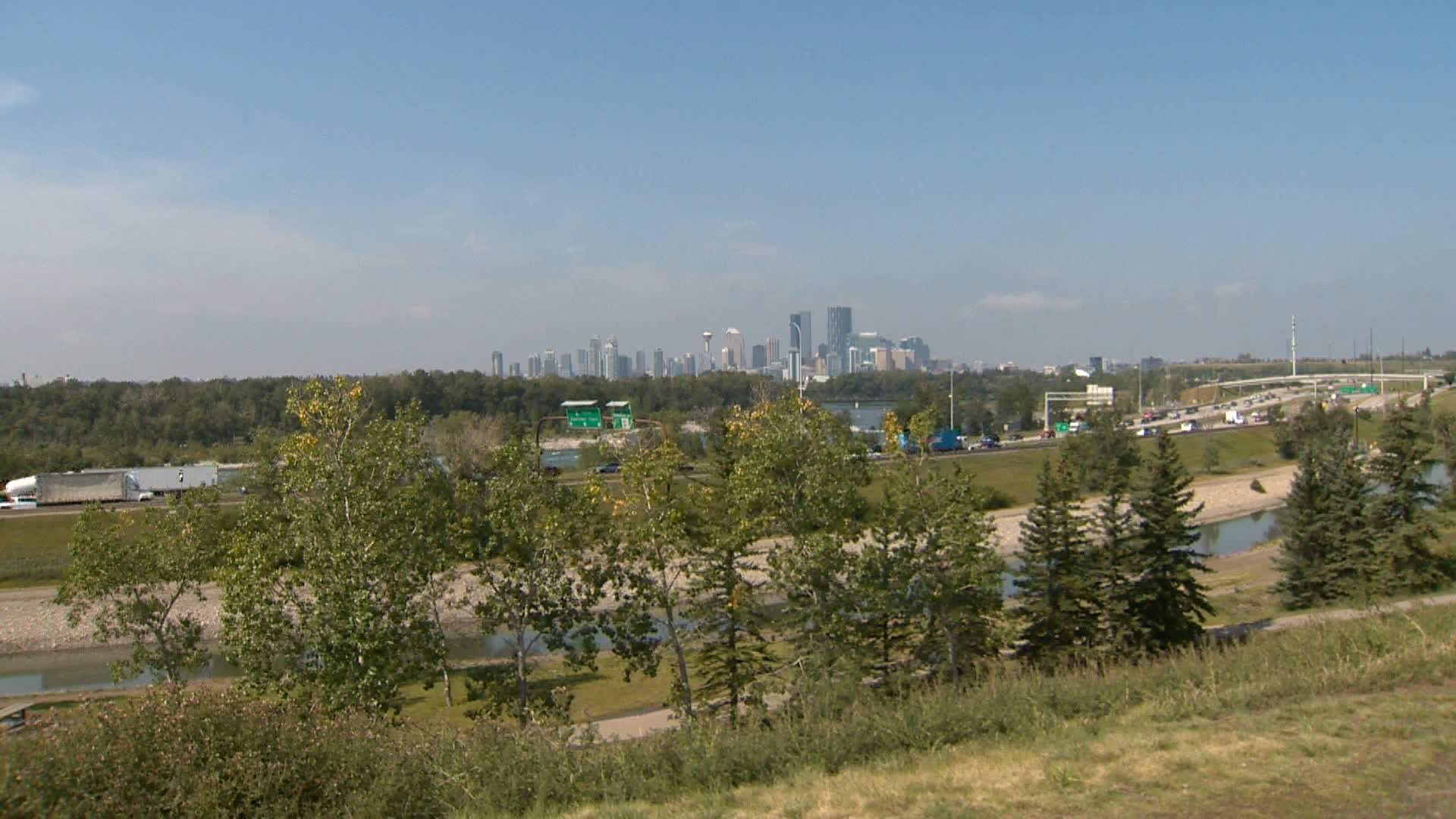
The City of Calgary is currently soliciting feedback for a proposed redevelopment of Max Bell Park and its adjoining pathway, a project slated for construction in 2028. The plan intends to revitalize approximately 4,000 square meters of land, introducing features like amphitheatre-style seating, an open plaza for community events, and architectural structures designed to frame the downtown skyline. While these renderings offer a polished vision of urban renewal, they also signal an attempt to address long-standing neglect in a transit-heavy corridor that has struggled with safety and accessibility for years.
Observers of local infrastructure projects understand that conceptual renderings serve a specific purpose. They are designed to build public consensus and validate the allocation of municipal funds. However, beauty is not a substitute for functionality. For the residents of Albert Park and Radisson Heights, the history of this area is not written in artistic sketches but in the reality of broken fences, uneven lighting, and the persistent, unaddressed friction between public infrastructure and the private land that complicates the transit experience.
The Reality of Desire Lines
Urban planning theory often struggles to reconcile the maps on paper with the paths people actually walk. These are known as desire lines—the shortest, most natural route between two points. At the Max Bell station, those lines have historically cut across private property, moving through areas with minimal lighting and poor maintenance. For years, commuters have navigated this space out of necessity rather than preference, forced into a functional standoff between the city and private landowners.
When a municipality focuses on installing "amphitheatre-style seating," they are betting on a future where the park acts as a destination. But if the fundamental transit experience remains disjointed, the park risks becoming an island of design in a sea of logistical frustration. A truly effective plan must prioritize the mundane, often overlooked aspects of urban life: the quality of the pavement underfoot, the placement of lights that deter criminal activity, and the certainty that a commuter can reach the train platform without tripping over the remnants of an uncoordinated city strategy.
Infrastructure as a Balancing Act
The tension between public and private interests is a recurring theme in Calgary. Similar issues have surfaced at the Westbrook station, where land sat vacant for over a decade after the demolition of a high school in 2011. There, as in the vicinity of Max Bell, the city found itself hampered by the complexities of land ownership and delayed contractual obligations. It serves as a reminder that municipal authority has boundaries. When the city relies on private property to facilitate public movement, it loses the ability to enforce the standards its citizens expect.
The upcoming 2028 start date for the Max Bell project provides a significant window for the city to address these structural dependencies. If the goal is to drive ridership, the integration of the park must be secondary to the efficiency of the transit hub. Commuters are not interested in framing the downtown skyline; they are interested in getting home during the dark winter months without feeling exposed to safety risks. If the design does not account for the flow of pedestrians through private, high-traffic corridors, no amount of architectural framing will succeed in attracting residents to the space.
Evaluating the Promises
Recent years have seen similar promises made, with varying degrees of success. In 2019, the city allocated funds for upgrades to the Barlow and Max Bell area, including improved lighting and signage. Yet, community feedback months and years later reflected a widespread perception that the interventions were insufficient. When taxpayers hear about new, elaborate plans, their skepticism is a rational response to past experiences where projects were announced with fanfare but yielded little, if any, measurable improvement to their daily routine.
The shift toward incorporating bike lanes and pathways, as seen in other ongoing municipal projects, has also sparked a broader provincial debate. The current political climate demands that cities justify these expenditures not just through social benefit, but through rigorous economic and commuter utility. For Max Bell, this means the city must articulate precisely how these amenities will increase the value of the transit experience. If these features remain purely aesthetic, they will be discarded by a public that values utility and safety over architectural flourish.
A Demand for Accountability
Public feedback mechanisms are vital, but they should not be treated as a rubber stamp for pre-determined designs. Residents deserve a transparent explanation of how the city plans to mitigate the risks associated with the adjacent private properties. Will there be formal, enforceable agreements regarding maintenance and lighting, or will the area remain a patchwork of municipal and private responsibility?
The city is asking for the "most effective design concept." Effectiveness requires more than aesthetic appeal. It requires an audit of why previous safety upgrades were deemed negligible by the very people they were intended to help. The success of this redevelopment will not be measured by the number of attendees at a summer festival, but by the comfort of a commuter walking to the station at eight in the evening in November. The city has until 2028 to move past the renderings and deliver the structural changes that are actually required. The question remains whether the focus will stay on the skyline or shift to the ground-level reality of those who use this space every day.