The map on the wall of the command bunker did not care about the calendar. It cared only for geometry, lines of latitude, and the terrifying speed at which an armored column could cross a desert floor before the sun crested the ridge.
Around midnight in Jerusalem, the tea had grown cold. For months, the air in the corridors of power had tasted like ozone before a lightning strike. Every official conversation carried a second layer of sound underneath it—the low, constant hum of emergency generators, the shuffle of briefing binders, the sharp click of secure satellite phones ringing in rooms where no one slept.
Then came the abrupt halt.
Across the ocean, a schedule was ripped apart. Air Force One taxied back to the tarmac, an itinerary sliced in half because the ground underneath the feet of world leaders had suddenly turned to liquid. In a parallel pivot thousands of miles away, itineraries were rewritten on the fly, secure secure lines lit up with red indicator lights, and private jets were prepped for emergency departures.
What is happening in West Asia is not merely a diplomatic shuffle. It is the sudden, jarring acceleration of a story that has been building for decades, written not in ink, but in the anxious glances of citizens stocking canned goods and the hurried whispers of diplomats who know that the margin for error has shrunk to zero.
To understand the weight of these sudden schedule changes, you have to look past the cable news chyrons and step into the shoes of the people whose lives are dictated by these shifts.
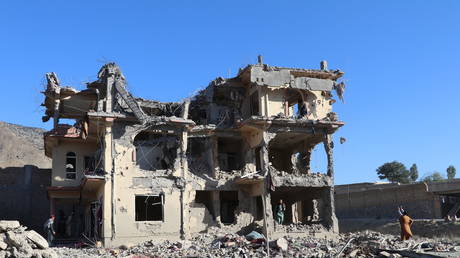
Imagine waking up in a quiet neighborhood in Tel Aviv or Amman. The morning paper is on the porch. The smell of fresh bread drifts from a corner bakery. But beneath the routine of daily life, there is an invisible frequency humming in the back of everyone's mind. It is the awareness that a single miscalculated trajectory—a drone flying two degrees off course, a radar operator misreading a blip on a screen—can transform that bakery into rubble before the afternoon commute.
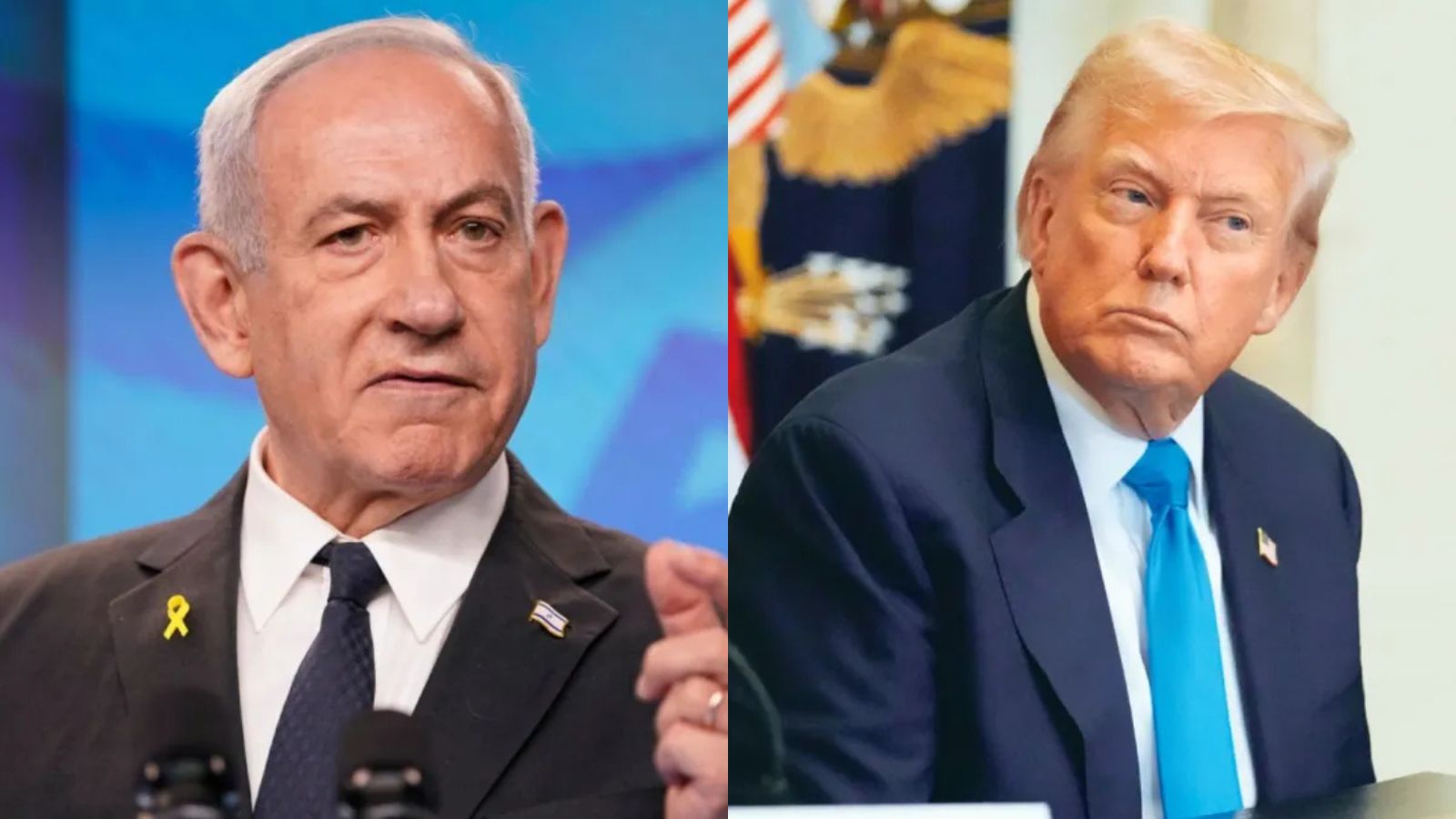
When leaders like Donald Trump cut their travels short and figures like Benjamin Netanyahu scramble to alter long-standing operational plans, it is because the invisible needle on the seismograph has jumped. They are not reacting to speculation. They are reacting to hard intelligence that tells them the tectonic plates of the region are grinding together with unholy force.
For months, the region has existed in a state of suspended animation. A delicate, bruised status quo held various factions at bay. Everyone understood the rules of the game: strike, but not too hard; retaliate, but leave an off-ramp; rattle the saber, but keep it in the scabbard.
That architecture of restraint is collapsing.
Consider the mechanics of modern escalation. It used to take weeks to mobilize divisions, move supply lines, and position naval armadas. Today, hypersonic missiles and drone swarms compress decision-making windows from days to minutes. When high-level trips are suddenly aborted, it means the warning time has dropped below the threshold of diplomacy. The diplomats are packing their bags because the generals have taken the wheel.
In the middle of all this geopolitical chess, the human cost gets flattened into percentages and casualty projections. We talk about West Asia as a geopolitical hotbed, a strategic chessboard, a energy corridor. But it is home to millions of people who simply want to walk their children to school without looking up at the sky to see whose air defense system is waking up.
When a superpower alters its posture overnight, the ripples are felt immediately in the souks of Damascus, the crowded apartments of Gaza, the quiet suburbs of northern Israel, and the high-rise financial hubs of the Gulf. A sudden trip cancellation in Washington sends a shiver down the spine of a merchant in Beirut who knows that currency values will plummet by morning if the border ignites.
History teaches us that major regional conflagrations rarely start with a grand master plan. They start with accidents. They start when someone misjudges an adversary's bluff. They start when exhaustion meets paranoia in the dead of night.
The frantic recalibration happening right now behind closed doors in West Asia and Washington is an admission of that exact danger. Everyone is staring at the precipice, realizing that the bridge they were walking across is rotting plank by plank.
The question hanging over the capitals of the Middle East tonight is not whether a response will come. It is how devastating that response will be, and whether anyone left in the room has the courage or the leverage to step back from the edge before the ground gives way entirely.
The tea grows colder. The phone rings again. Another meeting is called. And out in the desert, under a cold, indifferent moon, the shadows of armored vehicles stretch long and quiet across the sand, waiting for an order that no one wants to give, but everyone fears is already written.