Ink on paper dries quickly. Borders, drawn by men with heavy hands and maps that ignore the mountains, take longer to harden into stone.
Consider a room in Washington. The air smells of recycled carpet, floor wax, and the quiet panic of bureaucrats who know the clock is ticking. Outside, the Potomac moves sluggishly toward the sea, indifferent to the communiques being drafted in its shadow. Inside, a diplomat from a place that officially does not exist on half the world's globes sits at a mahogany desk. He is pouring tea. His hands are steady, though they carry the weight of twenty-four million people who wake up every morning wondering if their island will still be their island by sunset.
Days before, two men in brightly lit rooms shook hands across an ocean. The cameras flashed. The microphones recorded every carefully calibrated syllable. President Xi and President Trump posed for the history books, their expressions a masterclass in calculated ambiguity. The headlines across the globe chanted the usual refrain: trade deficits, tariffs, red lines, sovereignty. The heavy machinery of superpowers ground against one another, making a sound like tectonic plates shifting in the dark.
And then, while the world was still watching the footage of that summit, something small happened in an unassuming American building.
A plaque went up. A de facto consulate opened its doors.
To the untrained eye, it looked like a bureaucratic footnote. A line item on a Tuesday news cycle that readers scroll past while waiting for their morning coffee. But power does not always announce itself with brass bands and shaking platforms. Often, it enters through a side door, carrying a briefcase and a quiet smile.
I remember standing in a similar room years ago in another disputed corner of the world, watching a man pin a national emblem to a corkboard with a thumb tack. His fingers were scarred at the knuckle. He didn't look like a revolutionary. He looked like an accountant who had lost his ledger and decided to build a new one out of sheer stubbornness.
That is what diplomacy looks like when the maps fail you.
To understand why this unassuming opening matters, why it sent ripples through chancelleries from Beijing to Brussels, you have to look past the vocabulary of international relations. You have to look at the human cost of being unacknowledged.
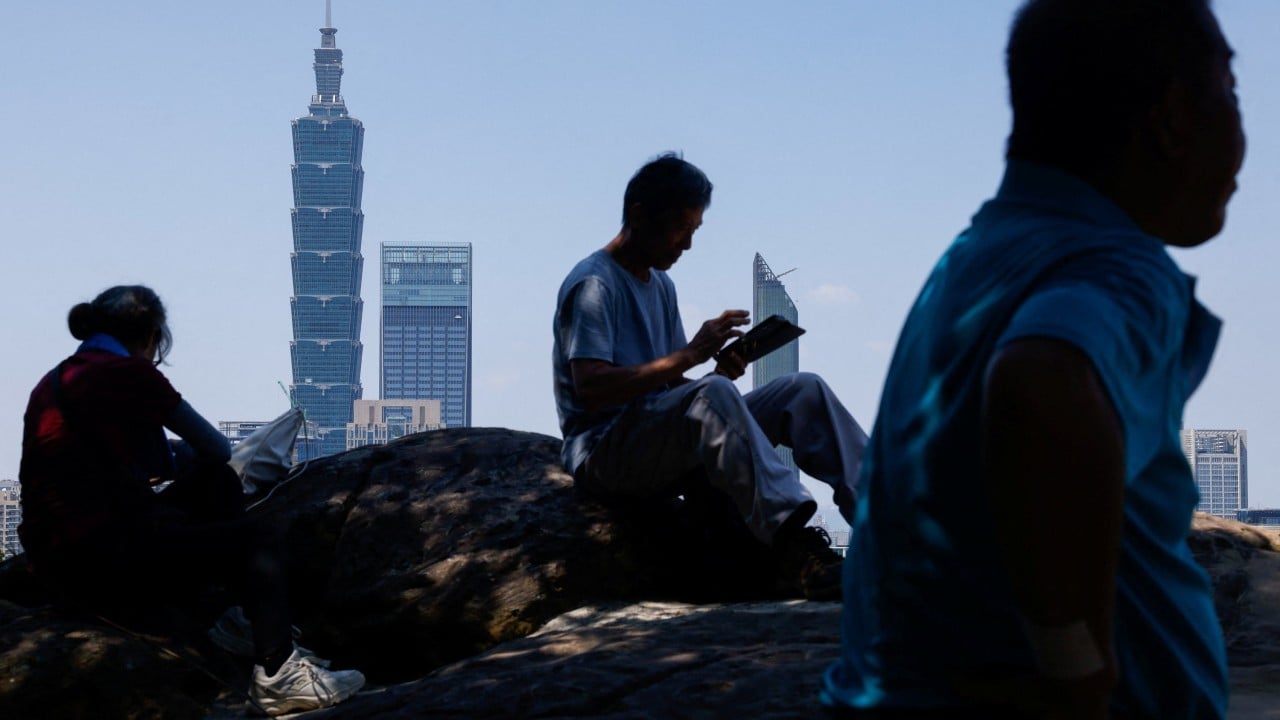
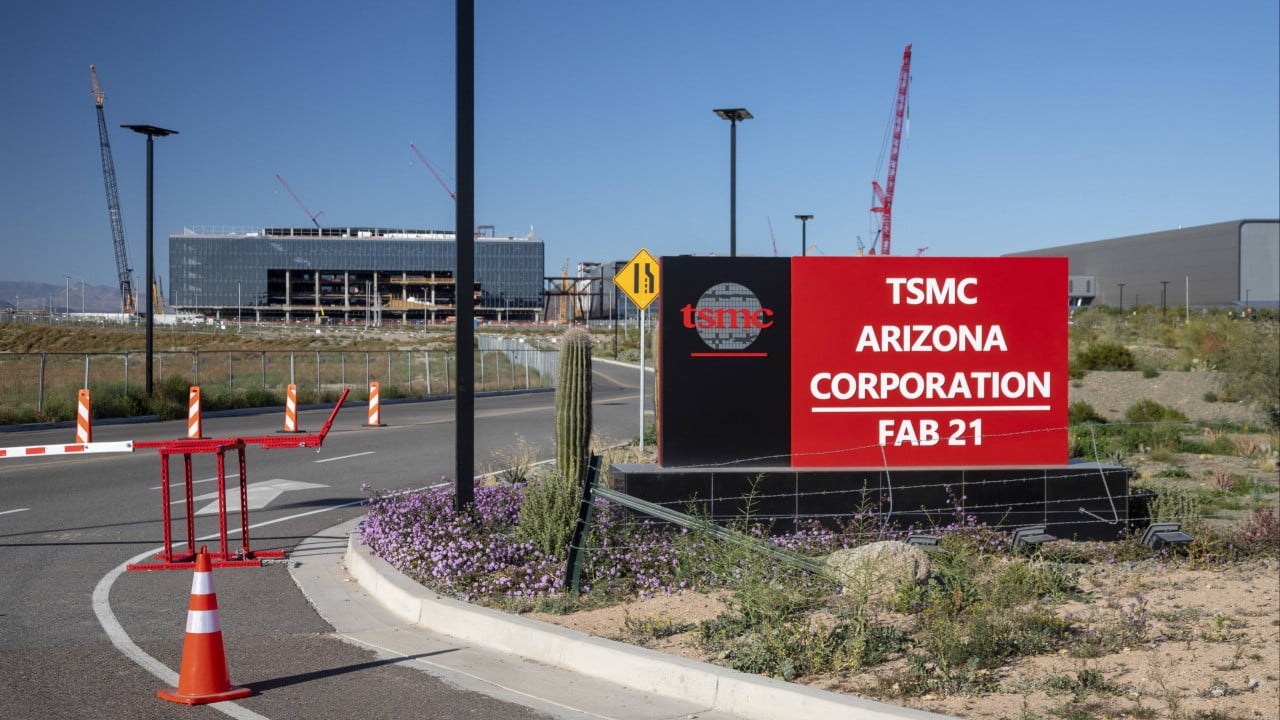
For decades, Taiwan has existed in a strange quantum state of geopolitics. It has its own passport, its own currency, its own democracy, its own microchip factories that literally power the device you are holding in your hand right now. Yet, in the high-stakes theater of the United Nations and bilateral embassies, it is often treated like a ghost. A phantom nation that must use clever acronyms, cultural centers, and economic offices instead of traditional diplomatic channels just to keep the lights on and trade flowing.
Imagine trying to navigate your life without a birth certificate. Imagine standing at a border crossing where the guard looks at your passport, looks at you, and tells you that your country is a typo.
That is the daily reality for Taipei's emissaries. Every handshake is a legal negotiation. Every ribbon-cutting is an act of geopolitical defiance disguised as a routine administrative update.
When this new de facto consulate opened its doors in the United States days after the Xi-Trump summit, it wasn't just about stamps and visas. It was a pressure valve. It was a signal whispered in a crowded room.
The timing was no accident. In the wake of high-level summits between Washington and Beijing, smaller players learn to move quickly in the spaces between the giants. When the big powers are busy recalibrating their posture, the middle and smaller powers slip through the gaps to secure their footing. It is a dance as old as city-states.
Let us be clear about what this is and what it is not.
This is not a formal recognition. The flags flying outside are not accompanied by twenty-gun salutes or sweeping treaties signed with golden fountain pens. The official fiction—the diplomatic dance of strategic ambiguity that has kept the peace across the Taiwan Strait for half a century—remains intact on paper.
Yet paper is fragile when the wind blows hard enough.
Consider what happens next in the quiet corridors where real decisions are made. Every time a de facto mission opens, expands, or upgrades its capabilities, it weaves a slightly thicker cable connecting the island to the rest of the world. It creates institutional muscle memory. Local politicians in the host country visit the office. Business leaders drop by to discuss supply chains. Academic exchanges are quietly coordinated over cold coffee and pastries.
Before long, the invisible becomes indispensable.
You cannot simply un-invite a neighbor who has been helping you fix your plumbing for ten years, even if your other, much larger neighbor insists that the house next door is empty.
This is the genius and the tragedy of Taiwan's foreign service. They have mastered the art of the footprint without a footprint. They are present everywhere that matters, yet officially nowhere at all.
Critics will call this provocation. In Beijing, the response was swift, predictable, and sharp—a reminder that sovereignty is not a negotiable concept to a government that views history as a long, unbroken line leading inexorably to reunification. To the mainland's leadership, every de facto consulate is a crack in the dam, a small leak that threatens to turn into a torrent of international normalization.
And they are not entirely wrong to worry. Symbols matter. In the grammar of international politics, a consulate is a noun that implies a state.
But look at it from the perspective of the diplomat sitting behind that mahogany desk in Washington. For him, this isn't about poking a sleeping dragon. It is about oxygen. It is about ensuring that when a citizen of his island loses a passport in a foreign city, or when a student needs a visa, or when a factory owner needs a direct line to a trade official, they do not vanish into a legal void.
It is about dignity.
We often talk about geopolitics as if it were a game of chess played by gods on a vast, marble floor. We move pawns named tariffs, knights named aircraft carriers, and rooks named summits. We analyze GDP growth and semiconductor yields as if human beings were nothing more than data points in an econometric model.
We forget the people sitting in the room.
We forget the diplomat who hasn't visited his aging mother in Taipei for three years because his diplomatic status makes travel a bureaucratic labyrinth. We forget the young entrepreneur who spends her nights worrying whether her export licenses will still be valid if the political winds shift after the next election cycle. We forget that behind every dry news report about de facto missions and summit fallout lies the raw, human desire to belong somewhere, to be recognized, to be safe.
The Xi-Trump summit came and went. The communiques were filed away in government archives. The talking heads on television moved on to the next crisis, the next scandal, the next market fluctuation.
Back in that quiet American building, the tea has gone cold.
The diplomat closes his ledger, straightens his tie, and walks out into the afternoon light. The plaque on the wall is small, unpretentious, and entirely quiet. But as he steps onto the pavement, surrounded by the hum of a foreign city that is both a shield and a riddle, the flag inside stays put.
Invisible to some. Unmistakable to others.
Still flying.