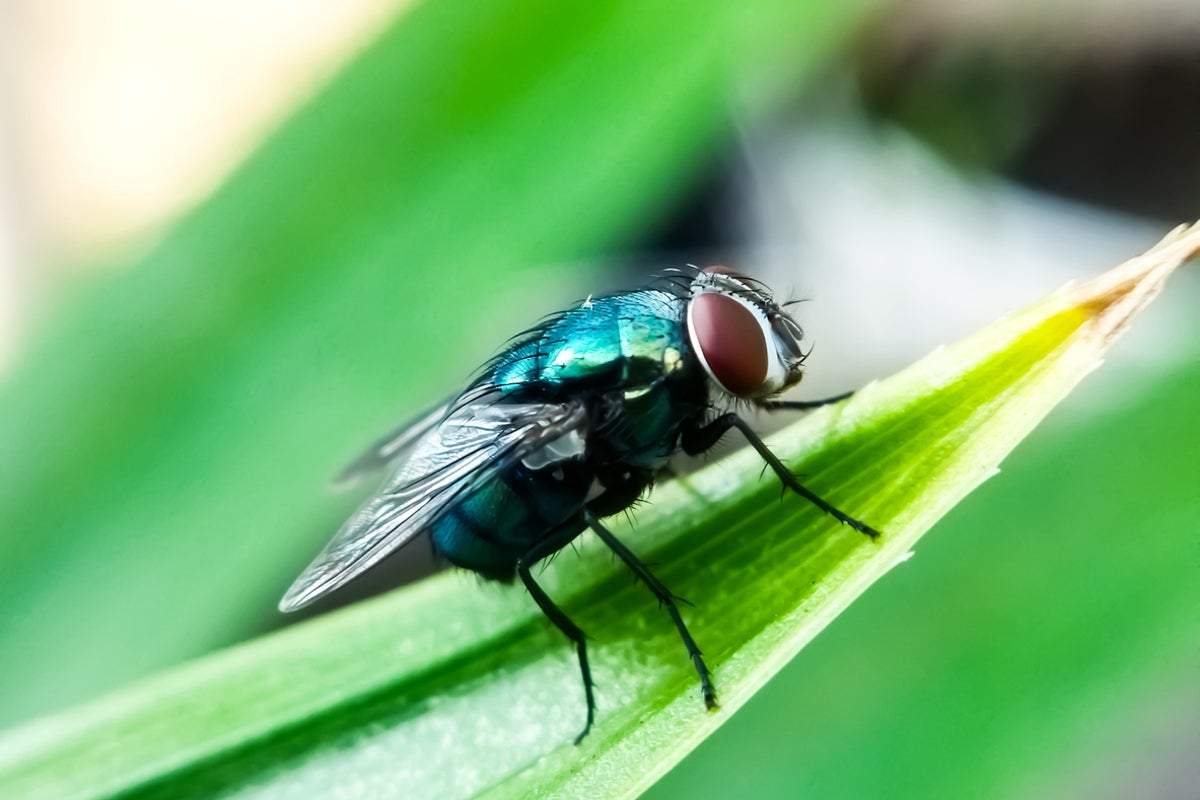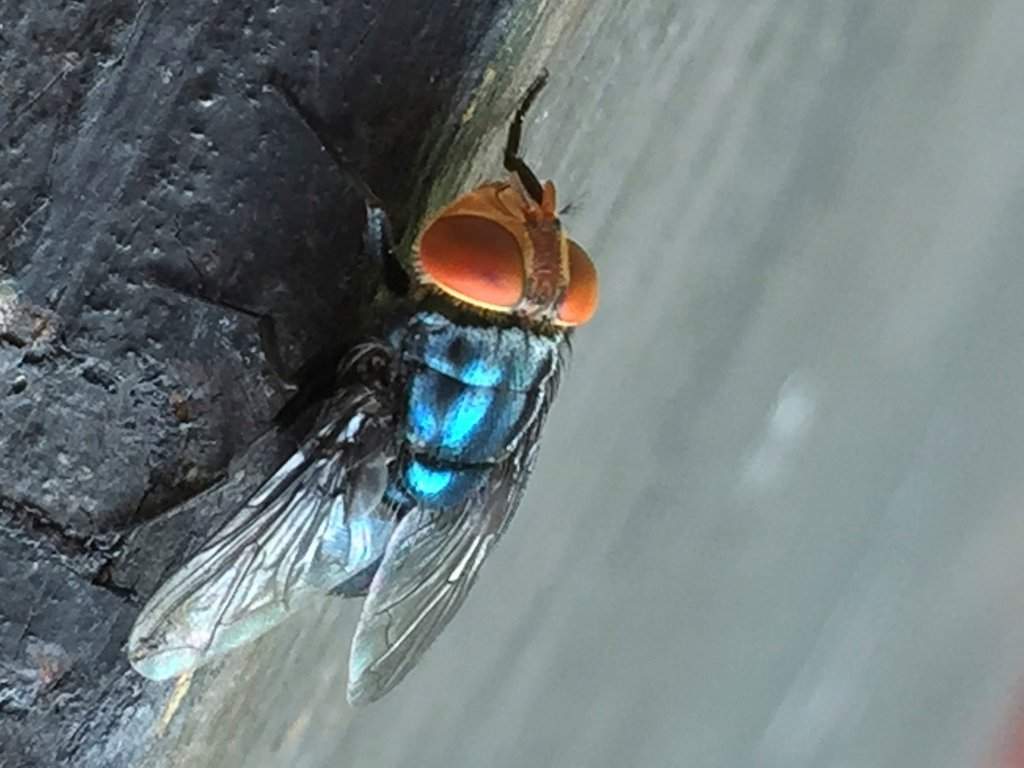
The detection of the New World screwworm (Cochliomyia hominivorax) in south Texas signals a critical failure in continental biosecurity corridors. Unlike standard saprophytic blowflies that feed exclusively on necrotic tissue, the screwworm operates on an obligate biotrophic strategy: its larvae consume the living tissue and fluids of warm-blooded hosts. Left unmitigated, a localized infestation scales exponentially, threatening the structural integrity of the $113 billion United States cattle industry. Evaluating this biological threat requires moving past sensationalized descriptions of flesh-eating parasites and instead modeling the ecological mechanics, vector dynamics, and capital-intensive containment frameworks required to suppress it.
The Tri-Partite Life Cycle and Larval Kinetics
The reproductive cycle of Cochliomyia hominivorax creates an aggressive, localized destruction of host tissue. Understanding the threat requires a granular examination of how the vector exploits host biology across three distinct phases.
[Gravid Female Selects Wounding Site]
               │
               ▼
[Phase 1: Oviposition & Tissue Ingress] ──► Hatching occurs within 12–24 hours
               │
               ▼
[Phase 2: Obligate Histophagy]          ──► 4–7 days of destructive burrowing
               │
               ▼
[Phase 3: Pupal Pupation & Emergence]   ──► Larvae drop to soil; emerge as adults
Phase 1: Oviposition and Tissue Ingress
The cycle begins when a gravid female locates a breach in the integument of a warm-blooded animal. This breach can be as substantial as a surgical dehorning site, a shearing cut, or a newborn animal's umbilicus—as documented in the initial 2026 detection in a three-week-old calf in Zavala County—or as microscopic as a tick bite. The female deposits an batch of up to 400 eggs directly onto the margin of the wound. Within 12 to 24 hours, the eggs hatch into primary larvae.
Phase 2: Obligate Histophagy
Unlike typical blowfly larvae, screwworm maggots possess specialized, recurved mouth hooks that anchor into healthy, living tissue. They secrete proteolytic enzymes that digest adjacent muscle and dermal layers, burrowing vertically into the host's body. This destructive burrowing pocket creates a foul-smelling, pocketed wound that attracts additional gravid females, triggering a compounding, multi-generation infestation. The larval feeding phase lasts approximately four to seven days, during which host tissue destruction scales quadratically relative to larval mass.
Phase 3: Pupal Drop and Emergence
Upon reaching the third instar, the mature larvae cease feeding, exit the wound, and drop to the ground. They burrow into the upper layers of the soil to pupate. The duration of this pupal stage is highly variable and temperature-dependent, ranging from seven days in tropical conditions to several weeks in cooler climates. Adult flies emerge with a flight radius that typically averages up to several miles, though they can exploit wind currents or host transport to traverse hundreds of miles.
The primary biological vulnerability of the species lies in its mating frequency: female flies mate only once in their lifetime, whereas males are polygamous. This asymmetry forms the foundational premise of modern suppression strategies.
Vector Economics and Supply Chain Distortions
The re-emergence of the screwworm introduces immediate friction into domestic and international agricultural supply chains. The macro-financial impact of the parasite manifests across three primary cost vectors.
Direct Production Losses and Mortality Costs
Because livestock are handled at high densities, minor dermal abrasions are common during corral movements and transport. If infestations go untreated, host mortality approaches 100% within several weeks due to systemic bacterial septicemia or extensive organ damage. Even when treated with approved veterinary parasiticides, infected livestock suffer severe weight loss, physiological stress, and decreased lactation yields. This directly reduces the operational efficiency of cow-calf operations.
Regulatory and Trade Friction Costs
The confirmation of a single case triggers immediate geographic quarantines. The establishment of 12-mile (20-kilometer) infested zones around detections in La Salle and Gillespie counties forces strict inspection protocols on all warm-blooded animals moving out of the region. International trade partners react defensively to protect their domestic biosecurity. For example, the Canadian Food Inspection Agency (CFIA) enacted an immediate temporary border closure to Texas livestock following the June 2026 cases. This disruption forces ranchers to hold inventory longer, driving up feed costs and creating localized supply gluts that depress regional prices while raising consumer prices elsewhere.
Capital-Intensive Biosecurity Expenditure
Managing an active containment zone requires significant public and private capital. The operational cost functions include running continuous monitoring traps, deploying systemic insecticides, and maintaining automated regional inspection checkpoints. The United States Department of Agriculture (USDA) allocated $21 million to convert a fruit-fly breeding facility in southern Mexico and initiated a $750 million capital expenditure project to construct a dedicated sterile fly production plant in Texas. These figures demonstrate that exclusion is significantly more capital-efficient than long-term containment.
The Sterile Insect Technique (SIT) and Systemic Bottlenecks
Defeating an established screwworm population relies almost entirely on the Sterile Insect Technique (SIT). This genetic suppression strategy functions by flooding the wild population with mass-reared, factory-sterilized male flies.
Factory Mass Production (Pupae Ionizing Radiation)
               │
               ▼
Aerial/Ground Dispersal in Infestation Zone
               │
               ▼
Sterile Male x Wild Female Mating (Single Mating Constraint)
               │
               ▼
Zero Embryonic Development (Population Collapse)
During the pupal phase, flies are exposed to controlled doses of ionizing radiation. This alters their chromosomal structure, causing dominant lethal mutations in their sperm without impeding their behavioral competitive fitness or ability to fly. When these sterile males are released into an infested zone and mate with wild females, the resulting eggs fail to develop. If the ratio of sterile males to fertile wild males is maintained above a critical threshold (typically 10:1 or greater), the local population undergoes a rapid generational collapse.
However, the efficacy of SIT is constrained by several operational bottlenecks:
- Production Capacity Limitations: For decades, the global supply of sterile screwworms relied on a single facility in Panama (COPEG). When the outbreak breached the Panamanian Darién Gap in late 2024 and advanced 1,100 miles across Central America and Mexico, the production output could not keep pace with the geographic expansion.
- Geographic and Climatic Expansion: Climate change has altered the environmental constraints that historically kept the tropical parasite out of temperate zones. Higher average winters and fewer prolonged freezes allow the fly to establish permanent populations in regions that were previously only seasonal zones. This expands the total land area requiring aerial dispersal, straining fleet logistics and fly-delivery mechanisms.
- The Monoculture Dependency: Relying solely on SIT ignores adult fly densities. If the wild population density is too high, sterile males are overwhelmed by sheer numbers. Critics of sole-reliance strategies note that suppression requires a dual-track approach: pairing SIT with the Screwworm Adult Suppression System (SWASS), which utilizes targeted chemical attractants and baits to lower the baseline wild population before deploying sterile lines.
Clinical Reality vs. Epidemiological Risk in Human Populations
The term "flesh-eating" frequently triggers disproportionate public anxiety regarding human transmission. To evaluate the actual risk matrix, it is necessary to separate human clinical vulnerability from broader epidemiological trends.
| Diagnostic Vector | Human Population Profile | Livestock / Wildlife Profile |
|---|---|---|
| Transmission Probability | Low; dependent on open wounds and poor hygiene. | High; driven by herd densities and handling. |
| Primary Anatomical Sites | Exposed cutaneous lesions, nasal/aural cavities. | Umbilicus, shearing cuts, dehorning wounds. |
| Detection Velocity | High; individual symptom reporting is immediate. | Delayed; requires systematic visual inspection. |
| Clinical Interventions | Manual extraction, debridement, topical larvicide. | Whole-herd macrocyclic lactone treatments. |
While the CDC noted more than 2,100 human cases and 10 deaths across Central America and Mexico during the 2023–2026 expansion, human infestation (myiasis) remains an incidental occurrence rather than a primary transmission path. Humans are not a preferred biological reservoir. Human cases are almost exclusively found in individuals with compromised mobility, open vascular ulcers, or advanced occupational exposure to infested herds without proper personal protective equipment.
The primary public health threat is not a widespread epidemic of human myiasis, but rather the indirect erosion of food security and the economic shock to agricultural communities.
Strategic Playbook for Containment and Eradication
Halting the screwworm advance before it establishes a permanent foothold in the American Southeast demands an aggressive, multi-layered containment strategy. Relying on passive surveillance or isolated fly drops will result in endemic stabilization.
Immediate Tactical Isolation
Ranchers within a 100-mile radius of any confirmed detection must immediately suspend elective surgical procedures—including dehorning, branding, and castration—unless accompanied by prophylactic topical larvicide applications. All newborn livestock must have their navels treated with topical iodine and preventative organophosphate or macrocyclic lactone solutions within two hours of birth.
Dynamic Buffer Zone Deployment
The Incident Command Team must establish a contiguous, high-density barrier zone extending ahead of the current northernmost detection. This requires accelerating the deployment of ground release pupae chambers alongside the 4 million flies dropped aerially twice per week. To maximize sterile male efficiency, the USDA must deploy the SWASS baiting framework ten days prior to sterile fly releases to thin out wild populations.
Supply Chain Regionalization
To minimize the economic shockwaves hitting the beef and dairy markets, state and federal authorities must transition from broad state-wide transport bans to strict geographic regionalization. Livestock moving out of non-quarantined counties must undergo certified third-party veterinary inspections and a mandatory 48-hour pre-shipment isolation period. This preserves market access for unaffected producers while creating a secure barrier against vector movement via long-haul transport networks.