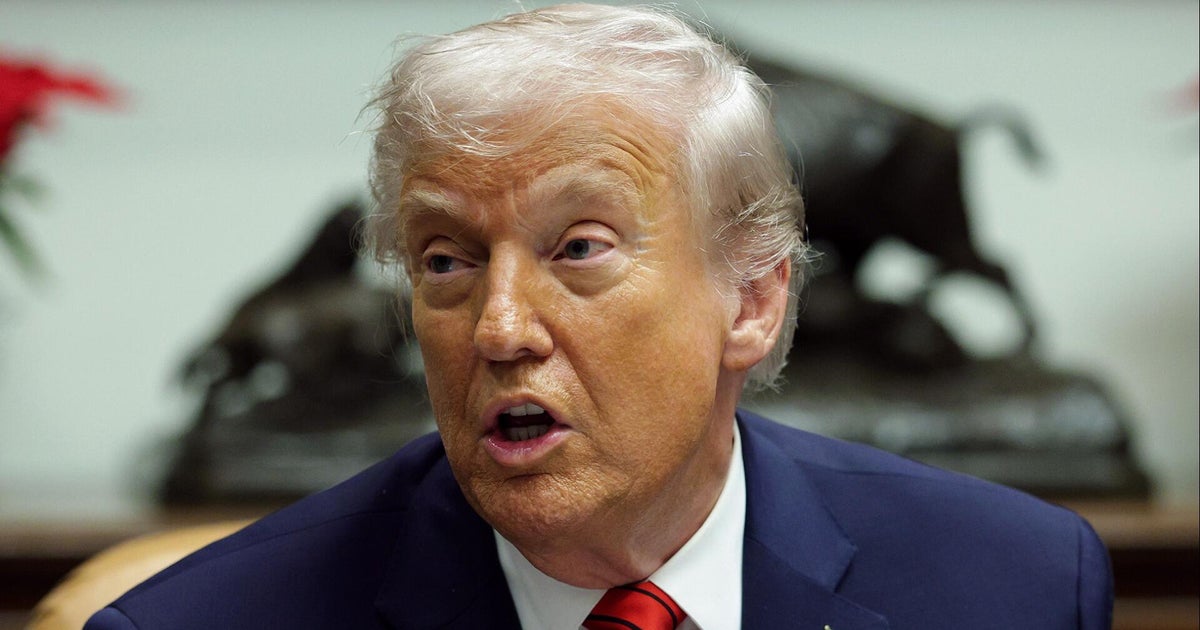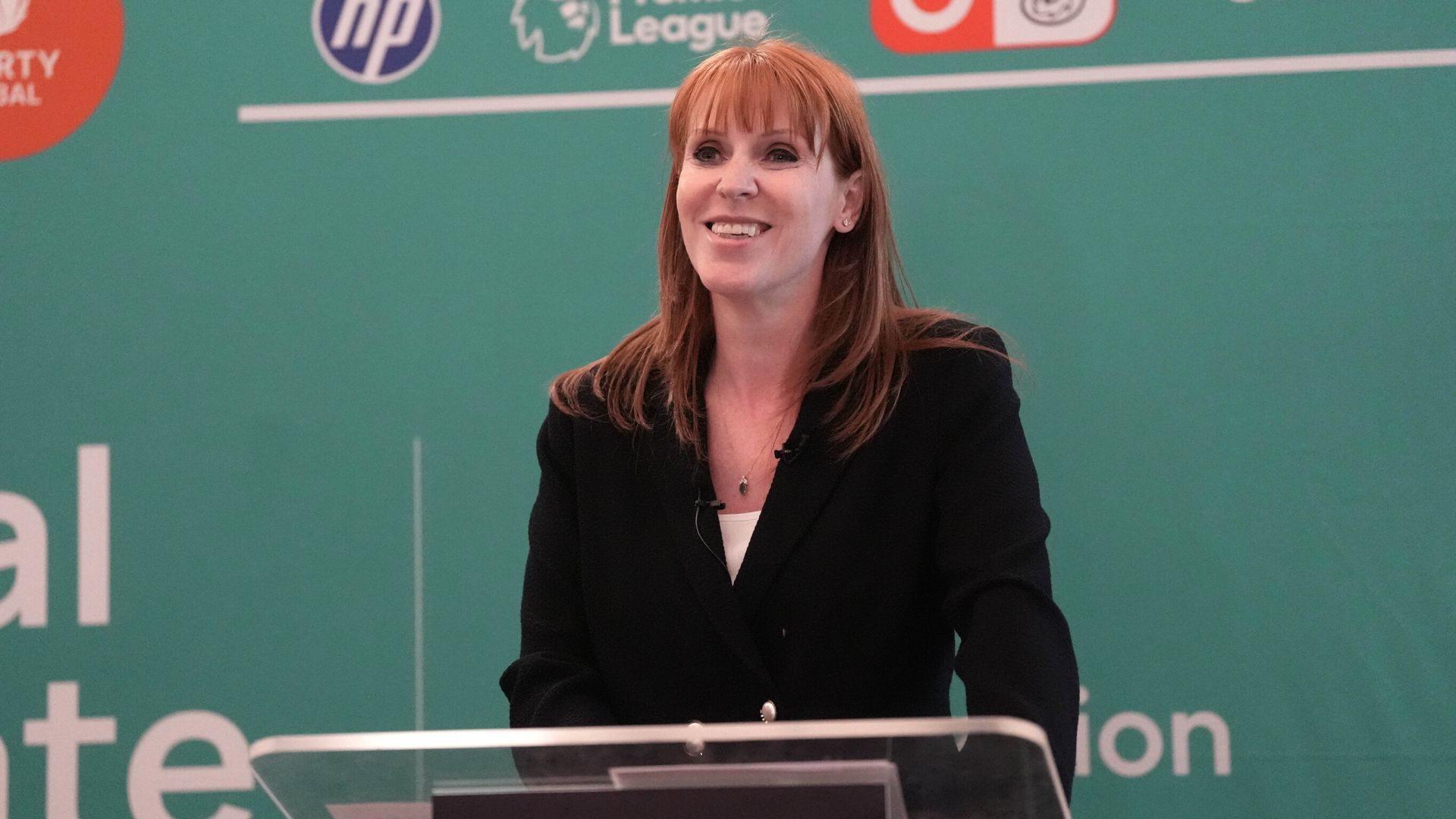
The British public wanted a serious conversation about the UK's stagnating productivity and the looming fiscal black hole. Instead, they got a soap opera starring Peter Mandelson. When the history of this political cycle is written, the recent fallout from the high-stakes economic summit won't be remembered for its policy breakthroughs. It’ll be remembered for how one man’s shadow loomed so large that it blotted out the sun for everyone else in the room.
Politics is always a bit of a performance. We know that. But there’s a line where the performance starts to actively damage the national interest. We’ve crossed it. While the Chancellor tried to pitch a vision of stability to international investors, the media was busy chasing rumors about Mandelson’s next power play. It’s a classic case of the "sideshow" becoming the main event, and it’s a disaster for anyone who actually cares about the UK’s bottom line. Also making waves recently: Why JD Vance Canceled His Pakistan Trip and What It Means for Iran.
Why Personalities Still Trump Policy in the UK
The UK economy is currently walking a tightrope. Growth is sluggish. Debt is high. The cost of borrowing isn't coming down as fast as everyone hoped. In this environment, you’d think a major economic debate would be the most important thing on the calendar. But the British press has a long-standing obsession with the "Big Beasts" of the New Labour era.
Peter Mandelson isn't just a former cabinet minister. He’s a symbol. To some, he's the ultimate strategist; to others, he’s a reminder of a style of politics that prioritizes optics over substance. When he speaks, the air in Westminster changes. The problem is that this "Mandelson Drama" acts as a massive distraction. It sucks the oxygen out of the room. Additional insights on this are covered by Reuters.
I’ve seen this happen before in corporate boardrooms and political campaigns alike. One oversized ego enters the fray, and suddenly, no one is looking at the spreadsheets anymore. They’re looking at who’s sitting next to whom and who’s being briefed against in the Sunday papers. It’s a vanity project disguised as political discourse.
The High Stakes We Are Ignoring
Let’s talk about what we should have been discussing. The summit was supposed to address the massive gap in infrastructure investment that has plagued the UK for three decades. We’re talking about billions of pounds in potential capital that’s currently sitting on the sidelines because the regulatory environment is too messy.
Economists from the Institute for Fiscal Studies (IFS) have been sounding the alarm for months. They point out that without a radical shift in how we handle planning and energy costs, the UK will continue to lag behind its G7 peers. That’s the "high stakes" part. If we get this wrong, your mortgage stays higher for longer, and public services continue to crumble.
Instead of debating the merits of the new industrial strategy, the headlines focused on whether Mandelson was being "sidelined" or "rehabilitated." It’s insulting to the intelligence of the electorate. We need to stop treating the national economy like a backdrop for a West End play.
The Cost of Political Theater
When political theater takes over, the markets notice. Investors don't like uncertainty, and they certainly don't like it when a government looks like it’s being pulled in ten different directions by unelected advisors and ghosts of Christmas past.
There’s a tangible cost to this drama.
- Reduced Confidence: International firms look for stability. A circus doesn't scream stability.
- Wasted Time: Every hour spent managing a PR crisis involving a peer of the realm is an hour not spent on legislative reform.
- Media Distraction: Critical scrutiny of actual economic figures gets buried on page 14 while the "drama" takes the front page.
We’ve seen similar distractions in the past, like the constant reshuffling of roles during the Brexit negotiations. Every time a "personality" became the story, the actual technical details of the trade deals fell through the cracks. We’re repeating those same mistakes now, just with different actors.
Getting the Debate Back on Track
We need to stop feeding the beast. The media loves Mandelson because he’s good for clicks. He’s "good copy." But "good copy" doesn't fix a broken rail network or lower the price of electricity for manufacturers.
If we want a serious economic debate, we have to demand one. That means ignoring the briefings and the gossip. It means looking at the white papers and the actual data coming out of the Treasury. Honestly, it’s boring. Data is boring. Policy is tedious. But that’s exactly why it matters.
The "sideshow" only works if we keep watching it. The moment we stop engaging with the soap opera, the politicians are forced to actually do their jobs. They have to explain why growth is projected at 1% instead of 2.5%. They have to justify why the tax burden is at its highest level since the post-war era.
Real Solutions Don't Have a Publicist
True economic reform happens in the quiet corners of committee rooms, not on the red carpet of a political summit. We should be looking at the recommendations from the Resolution Foundation regarding the "Great Stagnation." They’ve laid out a roadmap that involves increasing public investment to 3% of GDP and fixing the lopsided growth between London and the rest of the country.
Notice how Mandelson’s name doesn't appear in those technical reports? That’s because he’s irrelevant to the actual mechanics of economic recovery. He’s a ghost in the machine. A very loud, very visible ghost, but a ghost nonetheless.
If you’re an investor or a business owner, stop reading the Westminster gossip columns. Start looking at the 10-year gilt yields. Look at the manufacturing PMIs. Those numbers tell the real story of the UK’s future. The rest is just noise designed to keep us from noticing that the people in charge are still figuring out the script.
Next time a "drama" breaks out in the middle of a major policy announcement, ask yourself who benefits from the distraction. Usually, it's the person who doesn't have a good answer to the hard questions. Don't let the spectacle win. Focus on the numbers, the laws, and the actual impact on your wallet. Everything else is just a sideshow.