The Price of Distance
The scent of roasting cinnamon and salt air used to define the mornings in Galle. For Ravi, a guesthouse owner whose family has lived within sight of the Indian Ocean for generations, those smells now carry a different weight. They smell like a mounting debt. When news breaks of a drone strike or a hijacked vessel in the Red Sea, Ravi doesn’t see a geopolitical chessboard. He sees an empty dining room.
A report recently released by the United Nations highlights a sobering reality that Ravi feels in his bones: Sri Lanka is among the hardest-hit nations in the Asia-Pacific region due to the ongoing conflict in West Asia. It seems counterintuitive. How does a war fought thousands of miles away across the Arabian Sea dictate whether a father in Colombo can afford milk powder? In similar news, read about: Operational Mechanics of AI Adoption in Local Media Groups.
The answer lies in the fragile, invisible threads of global logistics.
Sri Lanka is an island nation. This is its greatest beauty and its most profound vulnerability. It relies on the sea for its lifeblood—fuel, food, and the tourists who bring the foreign currency required to keep the lights on. When the Red Sea becomes a no-go zone for shipping giants, the map of the world effectively stretches. Ships that once zipped through the Suez Canal are forced to take the long way around the Cape of Good Hope. Investopedia has provided coverage on this critical topic in great detail.
This isn’t just a longer boat ride. It is a massive injection of cost into every single item that arrives at the Port of Colombo.
The Suez Squeeze
Consider a shipping container full of textiles destined for Europe or a shipment of machinery heading toward Sri Lankan shores. Under normal circumstances, these vessels move through a predictable, efficient corridor. But as conflict flared in West Asia, the risk profile of the Red Sea skyrocketed.
Insurance premiums for these vessels didn't just rise; they mutated.
When a ship is rerouted around the southern tip of Africa, it adds roughly 10 to 14 days to the journey. Imagine the fuel consumption of a vessel the size of a skyscraper for an extra two weeks at sea. Now, multiply that by thousands of ships. The United Nations Trade and Development (UNCTAD) data suggests that these disruptions have caused a staggering spike in freight rates. For a country like Sri Lanka, which was already clawing its way back from a historic economic collapse in 2022, this is more than an inconvenience. It is a recurring trauma.
The logic is cold and relentless. If it costs more to bring a liter of petrol to the island, everything that requires transport—which is everything—becomes more expensive. The inflation that the government fought so hard to stabilize starts to twitch again.
The Empty Seat at the Table
Tourism is the heartbeat of the Sri Lankan recovery. After the pandemic and the internal economic crisis, the sight of travelers wandering through the tea plantations of Nuwara Eliya or surfing the breaks at Weligama felt like a benediction. It was proof that the world was coming back.
But war is a master of redirection.
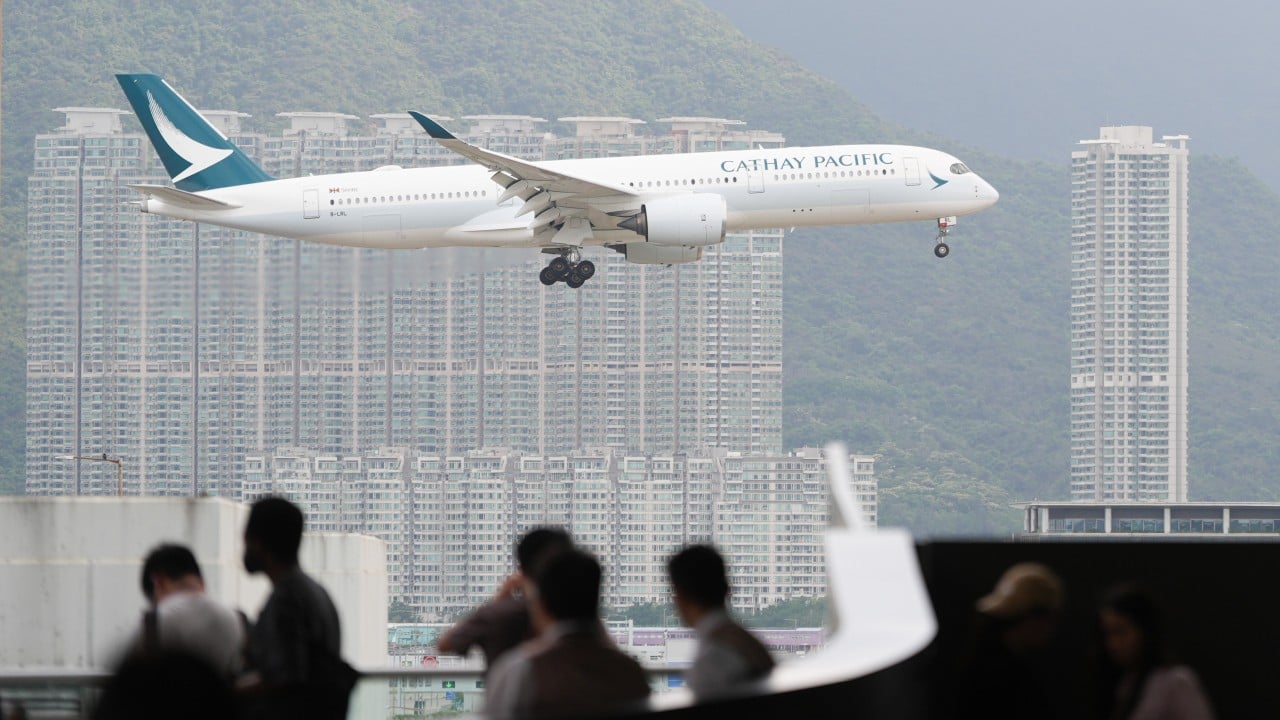
The conflict in West Asia didn't just disrupt ships; it disrupted the psyche of the global traveler. Flight paths from Europe—a critical market for Sri Lanka—often cross or skirt the affected regions. When airspace becomes a point of contention, airlines raise ticket prices to cover longer routes and higher insurance.
Suddenly, a family in Berlin or London looking for a winter escape sees the cost of a flight to Colombo jump by 20%. They look elsewhere. They stay closer to home.
For Ravi, the guesthouse owner, this is the "invisible stake." He isn't losing guests because his service is poor or his rooms are dusty. He is losing them because a missile fired in a different time zone changed the math of a vacation. The UN report notes that the Asia-Pacific region is experiencing a "dual shock"—the direct cost of energy and the indirect loss of service-based revenue. Sri Lanka sits at the devastating intersection of both.
A Fragile Recovery on a Tightrope
To understand why this hits Sri Lanka harder than, say, Vietnam or Thailand, one must look at the timing. Sri Lanka is currently in the middle of a delicate, IMF-guided restructuring. It is a nation on a strict diet, trying to pay back billions in debt while keeping its citizens fed.
The margin for error is zero.
When global oil prices fluctuate due to Middle Eastern instability, the Sri Lankan energy grid feels the tremor instantly. The country doesn't have the fiscal cushions that its larger neighbors possess. It cannot subsidize the pain away.
Think of the economy as a person recovering from a major surgery. They are finally taking their first steps without a crutch. Then, a gust of wind—one that a healthy person would barely notice—knocks them flat. That is the "West Asia effect" on the Sri Lankan Rupee.
The UN’s assessment isn't just about the present; it's a warning about the structural dependence of small island developing states. We are all connected by a system designed for a peaceful world. When that peace fractures, the smallest players are the ones who feel the jagged edges first.
The Human Cost of Logistics
It is easy to get lost in the "macro" of it all—GDP growth rates, trade deficits, and maritime corridors. But the true story is found in the smaller, quieter moments.
It’s in the fisherman who can’t afford the kerosene for his outboard motor because global oil prices are tied to the stability of the Strait of Hormuz.
It’s in the mother who sees the price of imported lentils rise by five rupees every week, a slow-motion catastrophe that forces her to skip a meal so her children can eat.
It’s in the garment worker in a factory outside of Gampaha, wondering if the "delayed shipment" her manager keeps talking about means her overtime pay is gone.
These are not hypothetical characters. They are the millions of people for whom the term "geopolitical instability" isn't a headline, but a household budget.
We often speak of the "global village," a phrase that sounds warm and communal. But a village is also a place where a fire in one house can easily spread to the next if the wind is blowing the wrong way. Right now, for Sri Lanka, the wind is a gale.
The UN report serves as a document of record, a collection of data points that will be filed away in archives. But for those living on the island, the data is lived experience. The "worst impacted" label isn't a trophy of resilience; it is a weight.
The Horizon
There is no simple fix. Sri Lanka cannot move its borders, nor can it command the shipping lanes of the world to remain open. It is a passenger on a very turbulent flight.
The only path forward is a grueling focus on internal resilience—shifting toward renewable energy to break the addiction to imported oil, and diversifying the economy so that it doesn't sink or swim based solely on the cost of a shipping container. But these are long-term dreams for a country facing short-term nightmares.
As the sun sets over the Indian Ocean, the horizon looks the same as it always has—vast, blue, and seemingly infinite. It hides the reality that just over that curve of the earth, the movement of steel boxes and the price of crude oil are deciding the fate of the people watching the waves.
The war in West Asia is not distant. It is in the price of bread. It is in the silence of the hotels. It is a reminder that in a world this connected, there is no such thing as a "local" conflict. We are all breathing the same air, and right now, that air is thick with the smoke of a fire that Sri Lanka did not start, but is forced to help extinguish with its own future.
Ravi closes his ledger for the night. The numbers don't add up, but he will open again tomorrow. Because that is what people do when the world gets bigger and the margins get smaller. They wait for the wind to change.