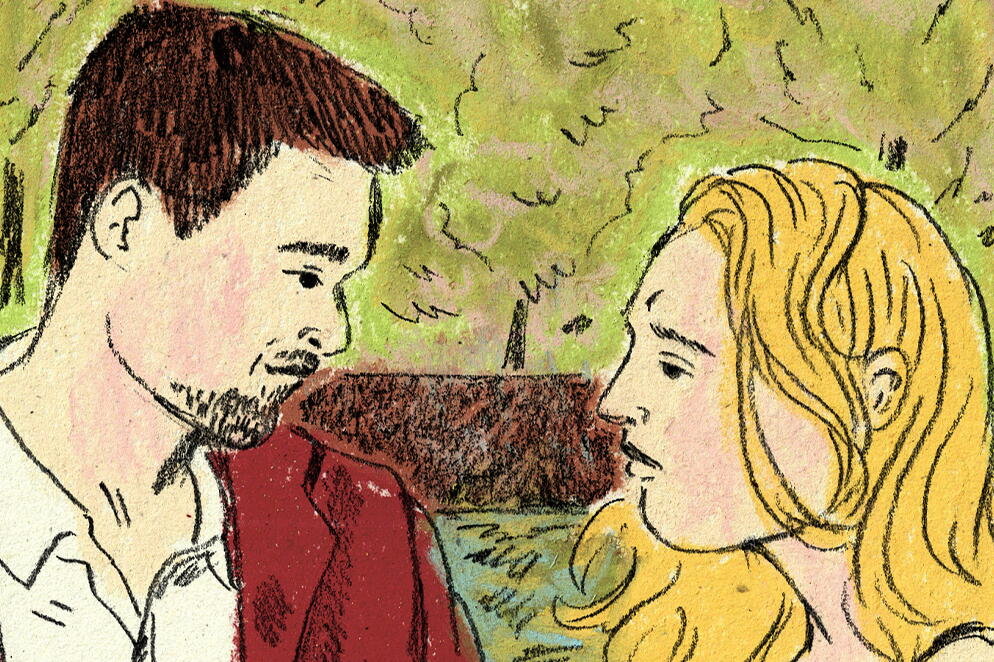
Every food writer in town is currently hyperventilating over The Horses. You have seen the press releases dressed up as reviews. You have read about the hand-stitched banquettes, the provenance of the pork scratchings, and the hushed reverence with which the owners talk about reviving the proper British local. It is treated as an inevitable cultural triumph before the first pint is even pulled.
The lazy consensus says we should be grateful. The narrative claims that high-end hospitality visionaries are riding to the rescue of a dying institution, saving the British boozer by injecting Michelin-level ambition and hyper-curated wine lists into sawdust-and-spitball spaces.
It is absolute rubbish.
I have spent twenty years watching private equity cash and over-credentialed operators turn neighborhood drinking dens into hushed dining rooms with beer taps. When you replace community friction with velvet drapes and a wine menu written in natural-wine shorthand, you do not save the pub. You kill it and stuff its corpse for Instagram.
Let us look past the PR gloss and examine what is actually happening when a £5 million hype-machine pub opens its doors in London.
The Manufacturing of Fake Authenticity
Authenticity cannot be specified on an interior design brief. Yet every new opening in zone one or two follows the exact same playbook of manufactured grit. They scour architectural salvage yards for Victorian floorboards, sand them down to a smooth, sterile finish, and charge nine pounds for a bitter that tastes like grapefruit rind.
The industry loves to talk about preserving heritage. What they actually mean is gentrifying the carbonation.
When you price out the local bricklayer, the retired postman, and the art student who can only afford a half-pint and a bag of dry roasted peanuts, you stop running a pub. You are running a dining club for media executives who want the aesthetic of working-class grit without the inconvenience of actual working-class neighbors.
Consider the economics. To break even on a sprawling, design-forward operation with thirty front-of-house staff, an open-fire kitchen, and bespoke ceramics, average spend per head has to clear thresholds that break the traditional social contract of the British local. A pub was never meant to be a high-yield asset class. The moment it becomes an investment vehicle requiring double-digit EBITDA growth, the atmosphere changes. The barmen stop talking to you about the weekend football match because they are too busy reciting the biodynamic pedigree of an orange wine from the Loire Valley.
Imagine a scenario where a local walks in wearing muddy boots, asks for a standard mass-market lager, and gets gently redirected by a sommelier in an chore jacket toward an unfiltered table cider. That is not hospitality. That is cultural displacement disguised as an upgrade.
The Myth of the Gastropub Evolution
We are told that the gastropub revolution of the 1990s and 2000s saved British food, and by extension, saved the pub. This is historical revisionism.
What the gastropub actually did was introduce the tyranny of the kitchen over the bar. In a real pub, the liquid flows first, and the food absorbs the excess. In the modern prestige pub, the bar is often treated as a glorified waiting area for the dining room. You stand shoulder-to-shoulder with twenty other people holding lukewarm negronis on tap, waiting for your name to be called for a table where a Sunday roast costs thirty-eight pounds.
The food at these establishments is rarely the problem. The chefs are often brilliant. The sourcing is meticulous. But precision destroys the primary utility of a pub: anonymity and ease.
You cannot slump into a corner booth for three hours of uninterrupted, low-stakes brooding when the couple at the next table are analyzing the foam on their sourdough starter. The sensory signature of a great pub relies on a certain level of chaos, sticky tables, and the clatter of dice cups. The moment you introduce silence and reverence to a drinking establishment, you turn it into a church where the sacraments are overpriced and fermented.
Why People Get This Wrong
The defense of places like The Horses always rests on a false binary: either we accept multimillion-pound design-led pubs, or we watch every traditional boozer turn into a Tesco Express or luxury flats.
This is a false choice designed to protect investors.
London’s best drinking spots are surviving not because venture capital backed a conceptual revamp, but because they kept their overheads low, their regulars loyal, and their pretensions at the door. They understand that a pub's primary asset is social capital, not visual equity.
When you visit a genuine local, you are buying into a shared rhythm. You are not paying for the designer’s mood board. You are paying for a neutral territory where class markers dissolve over lukewarm bitter and bad jokes.
The moment a venue becomes a destination, it ceases to be a local. And once a pub loses its local character, it is just a restaurant with a worse seating arrangement.
What Real Hospitality Looks Like
If you want to understand why hyper-hyped openings miss the mark, look at the places that refuse to play the PR game. The corner locals that have survived three recessions, two pandemics, and a dozen waves of gentrification do not need a glossy magazine spread to justify their existence. They stay open because they serve a simple function: they lower your blood pressure after a brutal Tuesday.
They do not care about your Instagram grid. They do not care about the provenance of their salt flakes. They care whether you tip your glass, mind your manners, and leave by eleven.
Stop waiting in line for the latest opening that treats a pint like a luxury fashion accessory. Go to the place down the street with the flickering neon sign, the slightly sticky carpet, and a barman who doesn't know your name and doesn't care to. That is where the actual culture lives.
Leave the design magazines to their darling new pubs. Let them choke on their own curated amber ales. The rest of us will be at the bar, keeping the lights on while the trend chasers move on to the next shiny thing.