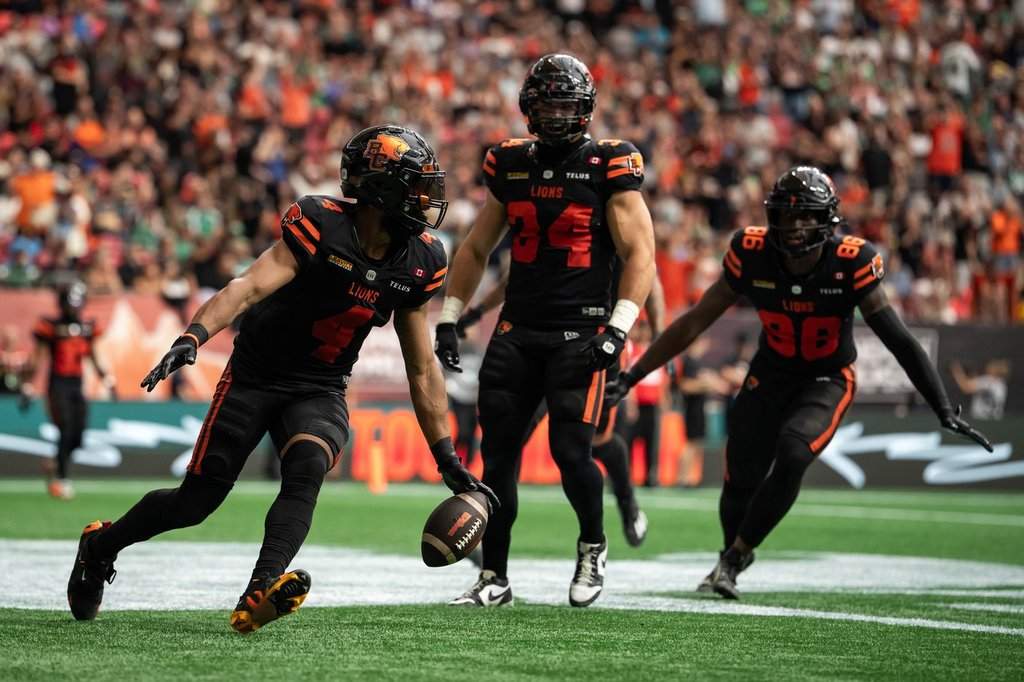
The scoreboard at the final horn read thirty to sixteen. But numbers on a plastic display cannot measure the weight of an old habit dying.
On one side of the field stood the Roughriders, a team accustomed to dictating the weather of the game, watching their season's blueprint unravel in real-time. On the other side stood the Lions. For years, they were the franchise that found clever ways to trip over their own shadow when the lights burned brightest. They were the team of almosts. If you liked this piece, you should read: this related article.
Football is a game of inches, yes, but it is primarily a game of accumulated scars. Every missed block, every botched coverage scheme, leaves a ghost that haunts the next Sunday.
Consider what happens next: a team grows tired of its own reflection. For another perspective on this event, see the recent update from The Athletic.
The transformation did not happen in the locker room at halftime. It happened in the quiet weeks of preparation, in the relentless repetition of fundamentals, and in the refusal to panic when the Roughriders drew first blood. The Lions didn't just win a game; they dismantled a narrative.
When the offense clicked into gear, it moved with the terrifying grace of an apex predator that had spent too long in a cage. Quarterbacks and receivers were speaking the same silent dialect. Route conversions happened a fraction of a second before the defender could react.
Yet, the true story of this victory lived on the defensive side of the ball.
Imagine locking a door from the inside and throwing away the key. That was the Lions' secondary in the second half. They closed down passing lanes with a quiet violence, forcing low-percentage throws and turning every Roughrider possession into an uphill march through wet sand.
Thirty points on the board is a testament to offensive firepower. Sixteen points allowed is a monument to defensive discipline.
As the clock bled down to zero, the sideline did not erupt in wild celebration. There were no theatrical chest bumps or performative dances. There was only the knowing, exhausted nod of men who finally trusted the person standing next to them.
The roar in the stadium wasn't just about a single win in a long season. It was the sound of a sleeping giant finally stretching its legs.