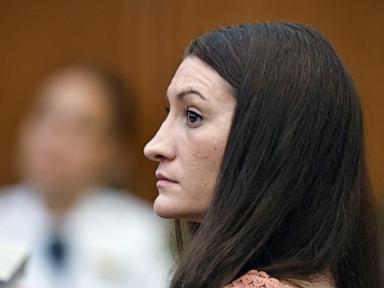
The trial of Lindsay Clancy forces a grim look at the dark edges of postpartum mental illness. Jurors in Plymouth Superior Court are sitting behind closed doors, trying to answer an agonizing question. Did a beloved labor-and-delivery nurse experience a complete break from reality, or did she execute a calculated plan to end the lives of her three young children?
You cannot look at this case without confronting how badly the medical system failed an obvious cry for help. Clancy admitted to strangling 5-year-old Cora, 3-year-old Dawson, and 8-month-old Callan on January 24, 2023. She then jumped from a second-story window in an attempt to take her own life, leaving her permanently paralyzed. The physical acts are undisputed. The legal battle centers entirely on state of mind.
Sifting Through the Physical Evidence
Jurors didn't just walk into a vacuum to deliberate. Courtroom reports indicate they requested specific physical exhibits, including a knife and bags of empty prescription pill bottles.
Defense attorney Kevin Reddington made a point to wave those empty bottles during closing arguments. He argued they represented a medical machine gone off the rails, pumping a severely depressed mother full of pharmaceuticals that altered her brain chemistry. On the other side, prosecutors point to those same hours as a timeline of cold execution.
The timeline is painfully tight. Clancy sent her then-husband, Patrick Clancy, out of the house for takeout and medicine. Prosecutors showed phone records proving she checked the distance to the restaurant beforehand. Assistant District Attorneys argued that sending him away was a deliberate setup to secure uninterrupted time.
When Patrick returned, he found a terrifying quiet. He discovered blood, an open bedroom window, and his wife injured outside. When he asked where the children were, she told him they were in the basement. His frantic 911 call and subsequent screams remain etched in the public record.
The Core Battle of the Experts
Every single juror is wading through conflicting testimony from high-profile forensic psychiatrists.
The defense brought in Dr. Phillip Resnick, a veteran expert witness who has testified in trials for notorious killers like Jeffrey Dahmer and Ted Kaczynski. Resnick told the court that Clancy suffered from major depression, bipolar disorder, and postpartum psychosis. Even though the tragedy occurred eight months after her youngest child was born—later than the typical window—Resnick maintained that severe postpartum onset psychosis can manifest that way and render a person completely unable to control their actions.
The prosecution fired back with their own heavy-hitting experts, including Dr. Gregory Saathoff and Dr. Kirk Heilbrun. They argued that Clancy exhibited goal-directed behavior. They emphasized that she interacted normally with family, managed daily tasks, and chose specific methods and locations to carry out the acts. The prosecution insists that a fleeting mention of hearing a male voice telling her to kill the kids and herself does not equate to legally recognized insanity.
What the Verdict Options Actually Mean
The jury has a heavy menu of choices. They can return verdicts ranging from first-degree murder down to manslaughter. Crucially, they can also find Clancy not guilty by reason of lack of criminal responsibility due to mental disease or defect.
Many people misunderstand what happens if a jury chooses an insanity verdict. It does not mean freedom. Judge William Sullivan previously instructed the panel that such a verdict leads directly to civil commitment hearings, meaning Clancy would spend her life locked inside a secure psychiatric facility rather than a prison.
The panel of nine women and three men holds the ultimate responsibility of drawing the line between severe mental illness and criminal accountability. They are parsing whether a broken healthcare system and a fractured mind completely erased a mother's capacity to know right from wrong.
Review the court instructions, look closely at the timelines presented by both legal teams, and watch for the jury's final verdict as Plymouth Superior Court reconvenes.


