Darkness holds a specific weight in a screening room. It presses against the collarbone. It demands silence.
When the lights went down at the Venice Film Festival, the air in the auditorium did not just thin; it vanished. Festivalgoers adjusted in their velvet seats, waiting for another polished artifact, another distant dispatch from a war zone too terrible to comprehend yet too normalized to truly feel. They expected statistics. They expected talking heads speaking in clipped, bureaucratic soundbites about borders, blockades, and political failures. You might also find this similar article useful: Why Weaponizing Film Festivals For Geopolitics Destroys Art.
Instead, they got the sound of breathing.
Consider the raw mechanics of modern conflict. We watch it through glowing rectangles, scrolling past devastation between coffee orders and weather updates. Distance is our anesthetic. A headline flashes: airstrikes, casualties, geopolitical stalemate. The numbers grow too large to hold, and so our minds drop them. We compartmentalize. We look away. As reported in recent articles by IGN, the implications are widespread.
That defense mechanism shattered in Italy.
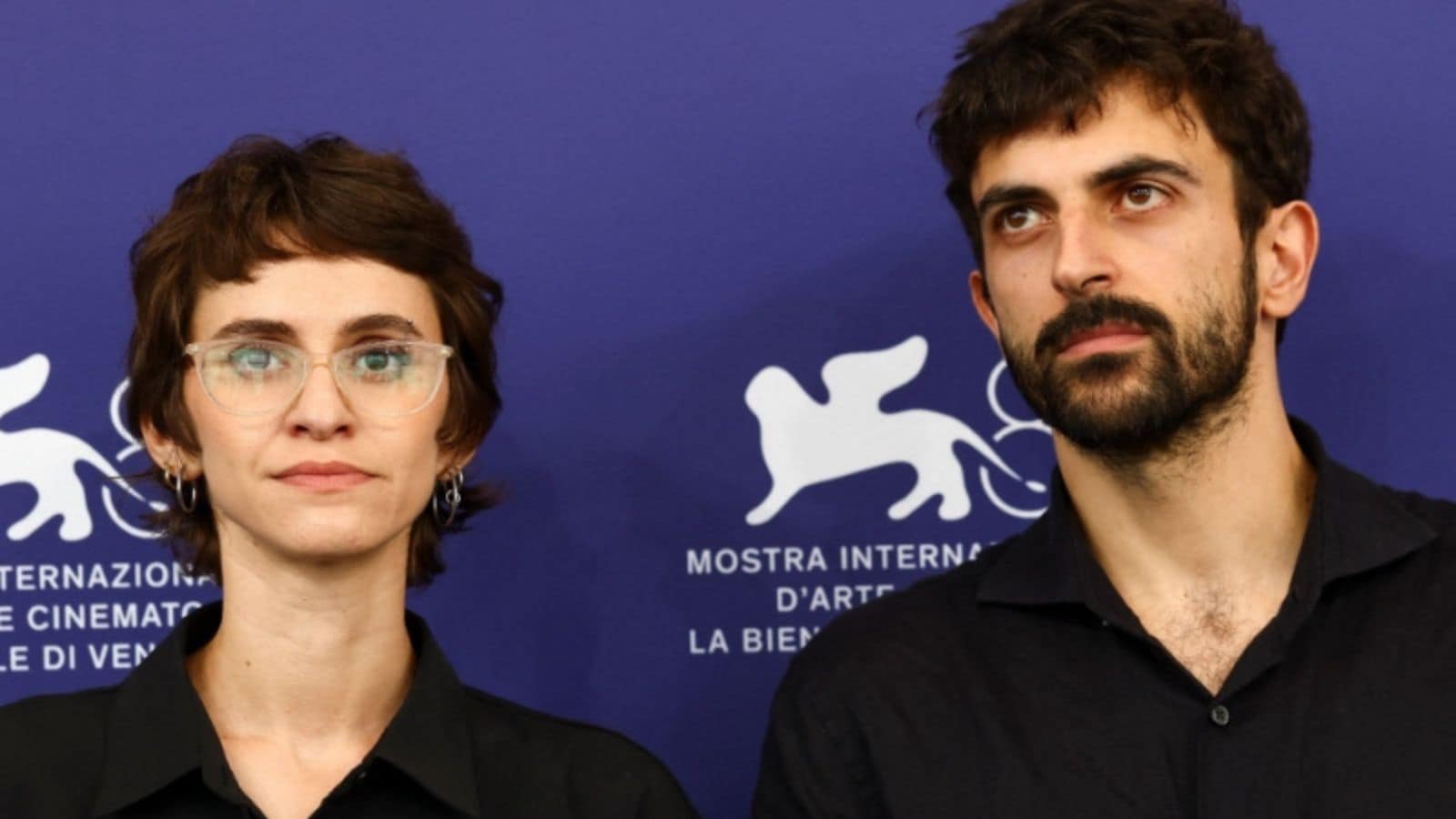
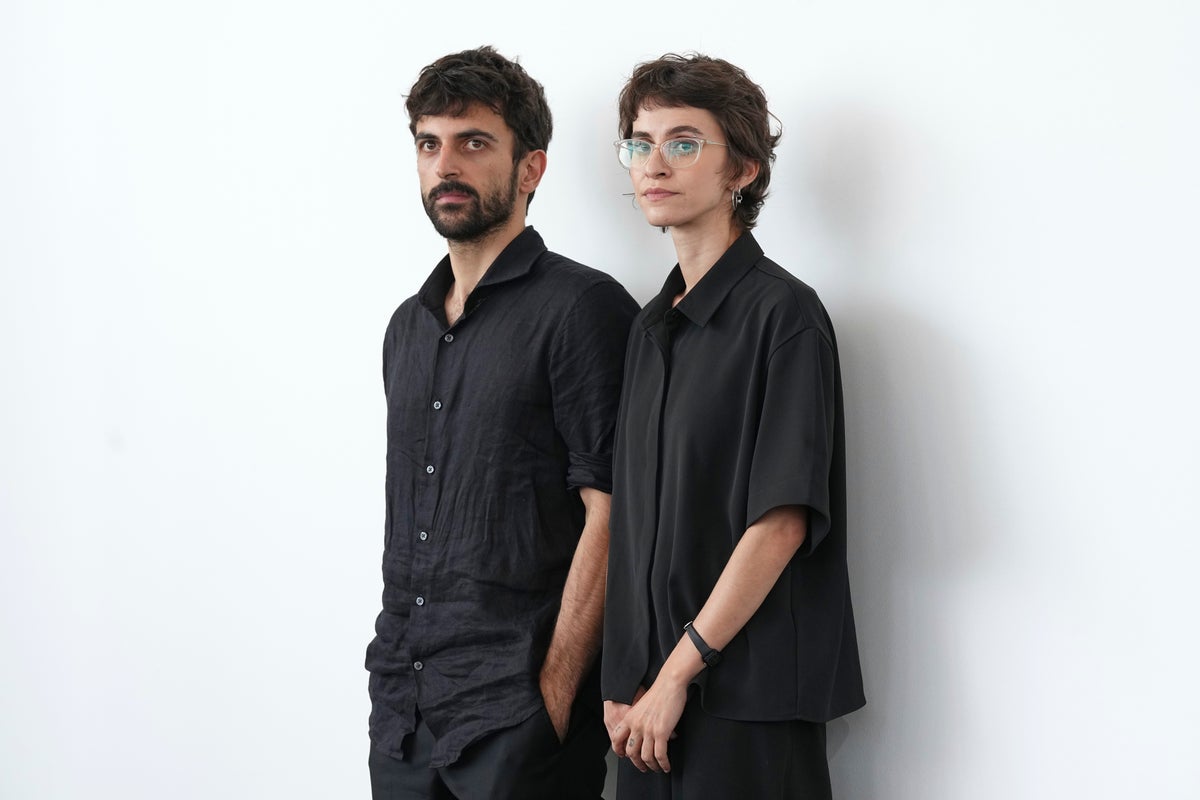
The documentary flickering on the silver screen was born from an impossible collaboration. Award-winning Israeli filmmakers, moving through a landscape of pulverized concrete and unceasing grief, refused to look away. They aimed their lenses not at the podiums of diplomats, but at the dust caked into the eyelashes of children who have never known a quiet night.
Art does not fix broken bones. It does not rebuild collapsed ceilings or bring back the dead. But it does something equally vital. It forces witness.
Pause for a moment and picture the sheer friction of the editing room where this footage came together. Every cut was a negotiation with reality. Every frame had to survive the internal agonizing of creators standing on opposite sides of a historic chasm, bound together by the terrifying realization that silence would make them accomplices.
When you watch a documentary crafted under such duress, you realize that objectivity is often a polite word for apathy. The people behind this camera were not neutral. How could they be? They were terrified. They were exhausted. They were mourning. Yet they kept rolling.
Venice rewarded them with a standing ovation. Minutes of uninterrupted clapping washed over the creators. Tears stained cheeks in the audience. For a brief, suspended moment, the political noise receded, replaced by the heavy, collective heartbeat of strangers acknowledging a shared wound.
Critics will debate the film's timing. Pundits will parse its implications for the global stage. Algorithms will categorize it, rate it, and file it away under international cinema.
None of that matters to the child staring out a shattered window in Gaza, waiting for a tomorrow that makes sense.
What matters is that the story escaped. It broke through the noise. It proved that even when governments fail and rhetoric turns to ash, human beings still possess the desperate urge to show one another what it feels like to burn, to bleed, and somehow, stubbornly, to survive.
The screen goes black. The house lights surge back, blinding and harsh. We are left blinking in the sudden glare, forced to step back out into a world that feels suddenly too quiet, carrying the quiet, insistent weight of ghosts who refuse to stay invisible.