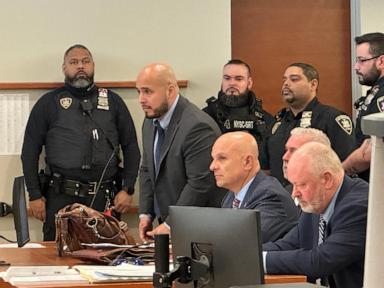
Erik Duran is out of jail. It’s a development that feels like a gut punch to the family of Eric Duprey, but in the eyes of the law, it’s just the gears of the appellate system turning. The former NYPD sergeant, who made national headlines for hurling a heavy picnic cooler at a man on a motorbike, didn’t get a pardon. He got a stay. He’s home on a $150,000 bond while he fights a conviction that many thought would keep him behind bars for years.
This case isn't just about a tragic street encounter in the Bronx. It’s about how the legal system handles police officers when the heat of a chase turns into a fatal decision. If you’ve been following the news, you know Duran was convicted of second-degree manslaughter. A judge handed him a sentence of two to six years. But now, thanks to an appellate judge’s ruling, Duran is sleeping in his own bed while his lawyers pick apart the trial that sent him away.
Why the Bronx Conviction Failed to Stick for Now
The trial was intense. Prosecutors argued Duran acted with "depraved indifference" or at the very least, extreme recklessness. They showed the video. Everyone saw it. Eric Duprey was trying to flee an undercover drug bust. Duran, standing on the sidewalk, didn’t use a taser or a baton. He grabbed a red-and-white cooler and launched it. It hit Duprey in the head, caused him to lose control, and he slammed into a parked car. He died at the scene.
Duran’s defense team never denied he threw the cooler. They just argued it wasn't a crime. They claimed he made a split-second choice to stop a "dangerous" fleeing suspect. The jury didn't buy it. They saw the cooler as a deadly weapon in that specific context.
So, why is he out? It comes down to a "stay of execution" pending appeal. In New York, if a defendant can show they have "meritorious" grounds for an appeal—meaning they aren't just making stuff up to waste time—a judge can let them out on bail. It doesn't mean the conviction is overturned. It means the court admits there are legal questions that need answering before someone stays in prison for the long haul.
The Defense Strategy to Overturn the Manslaughter Charge
Duran’s lawyers are focusing on the jury instructions. This is where most high-profile police trials go to die. They argue the judge didn't properly explain the "justification" defense to the jury. In plain English, they’re saying the jury wasn't told enough about the rights a police officer has to use force to prevent an escape.
If the appellate court decides the jury was misled or given the wrong legal standard, the whole conviction could be tossed. We’ve seen this before. It’s the same legal path that leads to retrials or reduced charges. The defense is betting that the "recklessness" required for manslaughter doesn't apply to a cop trying to do his job, even if that job was done poorly and resulted in a death.
What This Means for Eric Duprey’s Family
For the family, this looks like a free pass. They stood outside the courthouse during the sentencing, demanding justice for a father and son. Now, they’re watching the man responsible for his death walk out of a facility after serving only a fraction of his time.
The emotional toll here is massive. When a civilian kills someone, they rarely get out on bail during an appeal unless there’s a massive procedural error. The optics are terrible for the NYPD and for the Bronx District Attorney’s office, which fought hard for the conviction. It reinforces a narrative that the badge offers a layer of protection that regular citizens don't get.
The Reality of the New York Appellate Process
Don't expect a quick resolution. The New York Supreme Court, Appellate Division, moves at a snail's pace. Duran could be out for a year or more before a panel of judges actually hears the arguments. During that time, he’s a free man, though his law enforcement career is effectively over. He’s been stripped of his shield.
The legal bar for overturning a manslaughter conviction is high. The prosecution only has to prove that Duran knew his actions created a substantial and unjustifiable risk of death. Throwing a heavy object at a man on a moving vehicle seems to fit that bill for most people. But law isn't always about what "seems" right; it’s about the narrow definitions of the penal code.
The Precedent This Sets for Police Use of Force
If Duran wins this appeal, it changes the game for how New York officers are prosecuted. It would suggest that "improvised" force—using whatever is nearby instead of standard-issue gear—is more protected than we thought.
[Image showing the difference between standard police equipment and improvised weapons]
If he loses, he goes back to finish his sentence. But the fact that he was granted bail at all shows that the judiciary is still willing to give officers the benefit of the doubt on procedural grounds.
Keep an eye on the specific filings regarding the "justification" defense. That’s the heart of the matter. If you're interested in the outcome, follow the Bronx DA’s press releases, as they’ll be the first to announce if a hearing date is set. For now, Duran is staying in the suburbs, and the Duprey family is left waiting for a finality that keeps slipping away.
Check the court dockets for the First Department of the Appellate Division if you want to see the actual briefs filed by his legal team. They’re public record and reveal the exact technicalities they're using to keep him out of a cell.