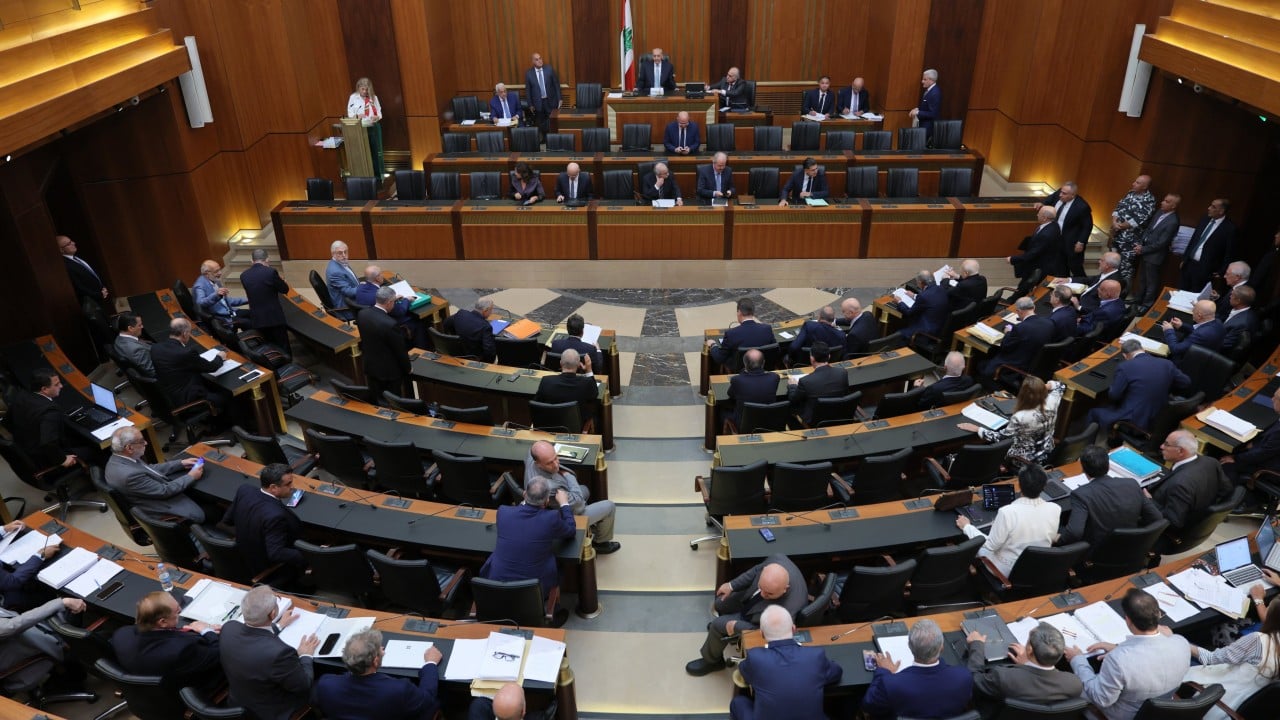
Lebanon just shattered a decades-long regional norm by becoming the first Arab nation to completely abolish capital punishment. For years, courts kept handing down execution orders while a quiet freeze kept anyone from actually swinging from the gallows or facing a firing squad since 2004. Now, the parliament has officially turned that unofficial pause into permanent law.
You might wonder how this happened in a country juggling severe economic collapse, political gridlock, and cross-border conflict. The road here wasn't simple. It took decades of relentless pressure from local human rights defenders, civil society groups, and key lawmakers who refused to let the issue slide.
What the New Law Actually Changes
Under the legislation pushed through by independent and reform-minded members of parliament, capital punishment is wiped from the books wherever it appears in the legal code. The ultimate sentence is now replaced by life imprisonment with hard labor for any new crimes. For the roughly 85 individuals currently sitting on death row, their sentences convert automatically to life behind bars.
Justice Minister Adel Nassar called the move a historic step that aligns the country with modern international standards. He insisted that dropping the gallows doesn't mean coddling criminals. Instead, the state chose a permanent legal safeguard over a cruel and irreversible punishment.
The Political Backlash and Deep Divisions
Not everyone is celebrating. The vote exposed raw nerves across the political spectrum. Lawmakers from Hezbollah's parliamentary bloc walked out of the legislative session in sharp protest. Opponents argued the timing couldn't be worse, especially while parliament debates a massive general amnesty bill. Critics fear that combining the death penalty abolition with potential sentence reductions for other prisoners could create a dangerous loop of impunity for serious crimes.
Some conservative politicians also argued against the shift on traditional and religious grounds, pointing out that capital punishment remains deeply embedded in regional jurisprudence. Families of soldiers and security personnel killed in past conflicts voiced frustration, noting they wanted maximum penalties for those who took their loved ones' lives.
The Reality Behind Death Row in Lebanon
For over twenty years, Lebanon existed in a weird legal purgatory. Judges handed down death sentences with regular frequency—including high-profile cases involving terrorism, treason, and murder—yet successive governments refused to sign off on the final execution orders. That created a growing population on death row living in perpetual uncertainty.
Human rights organizations like Amnesty International and Human Rights Watch pointed out that keeping people in permanent limbo solved nothing. Converting these sentences gives inmates a defined, if grim, reality while removing the state's power to take a life.
Yet, practical hurdles remain. Prisons in Lebanon are notoriously overcrowded and underfunded. Enforcing terms like "aggravated hard labor" will likely prove difficult for a cash-strapped government struggling to keep basic public services afloat.
Watch how neighboring states react to this shift. While most of the Middle East still relies heavily on capital punishment for serious offenses, Lebanon's legal pivot creates an entirely new benchmark for human rights advocacy across the Arab world.


