Geopolitical conflicts half a world away can suddenly land right on your doorstep. Ukrainian President Volodymyr Zelenskyy confirmed that an Indian citizen was among the 12 people killed in a massive wave of overnight Russian air strikes. When ballistic missiles and hundreds of explosive drones tear through residential sectors, the fallout spreads far beyond local battle lines.
The human cost of this war keeps expanding into unexpected corners. If you've been following the headlines, you know the broad strokes of the conflict, but individual tragedies often get lost in the macro data of drones and air defense tallies. Read more on a connected topic: this related article.
The Scale of the Overnight Blitz
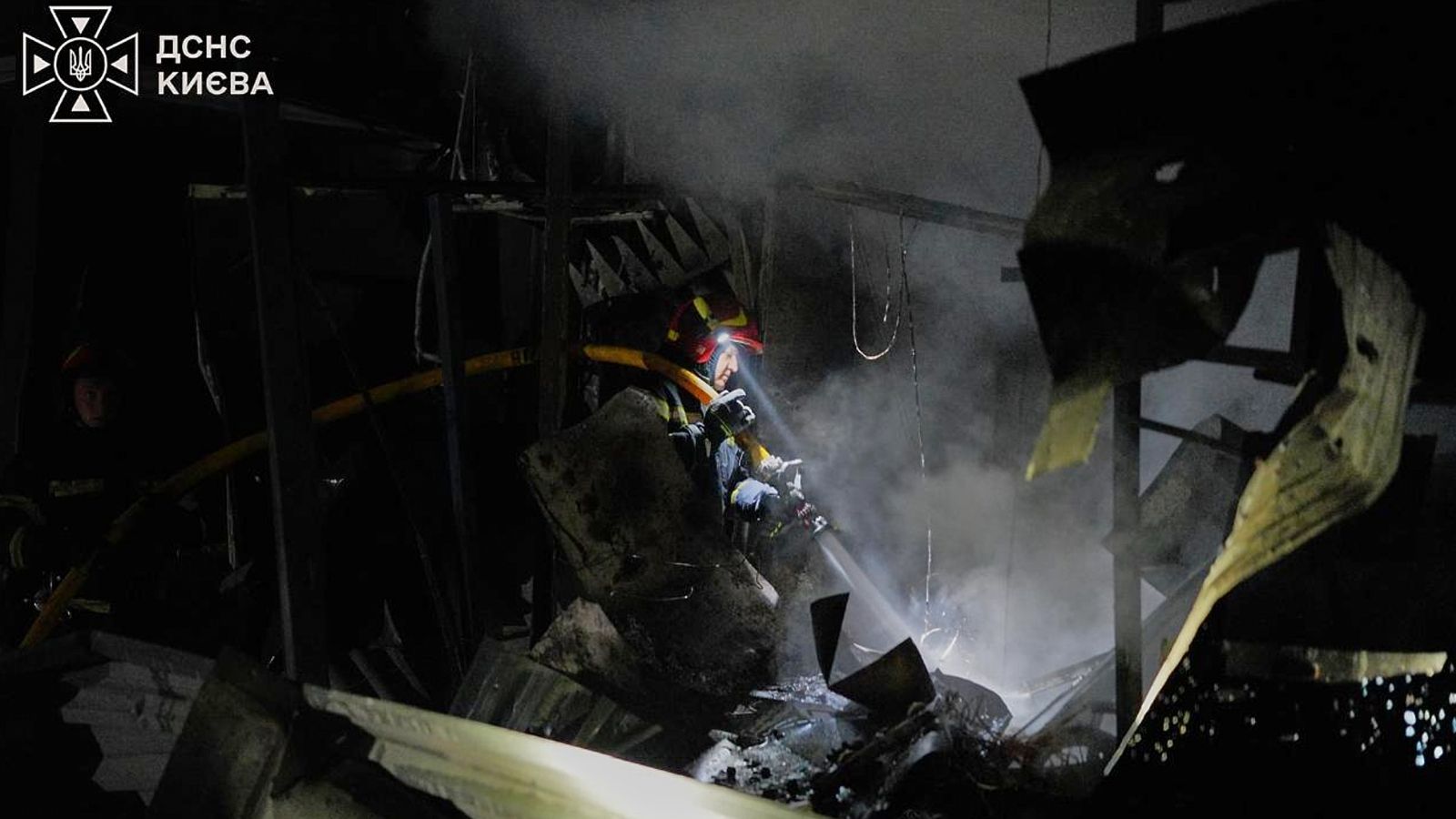
The numbers coming out of Kyiv and surrounding regions paint a grim picture of urban warfare. Russian forces unleashed a heavy mix of ballistic missiles, cruise weapons, and nearly two hundred strike drones targeting infrastructure and housing. Ukrainian emergency services scrambled through multiple districts as residential buildings caught fire and civilian sites took direct hits.
Zelenskyy pointed out that these operations are calculated to cause maximum structural ruin and loss of life. When air defense systems fall short against saturated ballistic trajectories, apartment blocks, railway depots, and ordinary neighborhoods absorb the impact. Twelve lives ended in a single night of terror, turning routine urban living spaces into disaster zones. Additional journalism by TIME explores comparable perspectives on this issue.
Why Foreign Nationals Are Caught in the Crossfire
People often wonder why foreign citizens remain in active conflict zones. Students, workers, and business operators from various countries have maintained a presence in Ukraine for years. Despite ongoing evacuations and travel advisories issued by nations like India, economic necessities, educational commitments, or personal ties keep individuals rooted in places that quickly turn dangerous.
When air-raid sirens blare and air defense interceptors engage incoming threats overhead, falling debris doesn't check passports. Shrapnel from intercepted drones hits public streets, commercial facilities, and residential windows indiscriminately. This recent tragedy highlights the unpredictable nature of modern aerial warfare, where no single neighborhood remains entirely safe once a countrywide blitz begins.
The Broader Diplomatic Friction
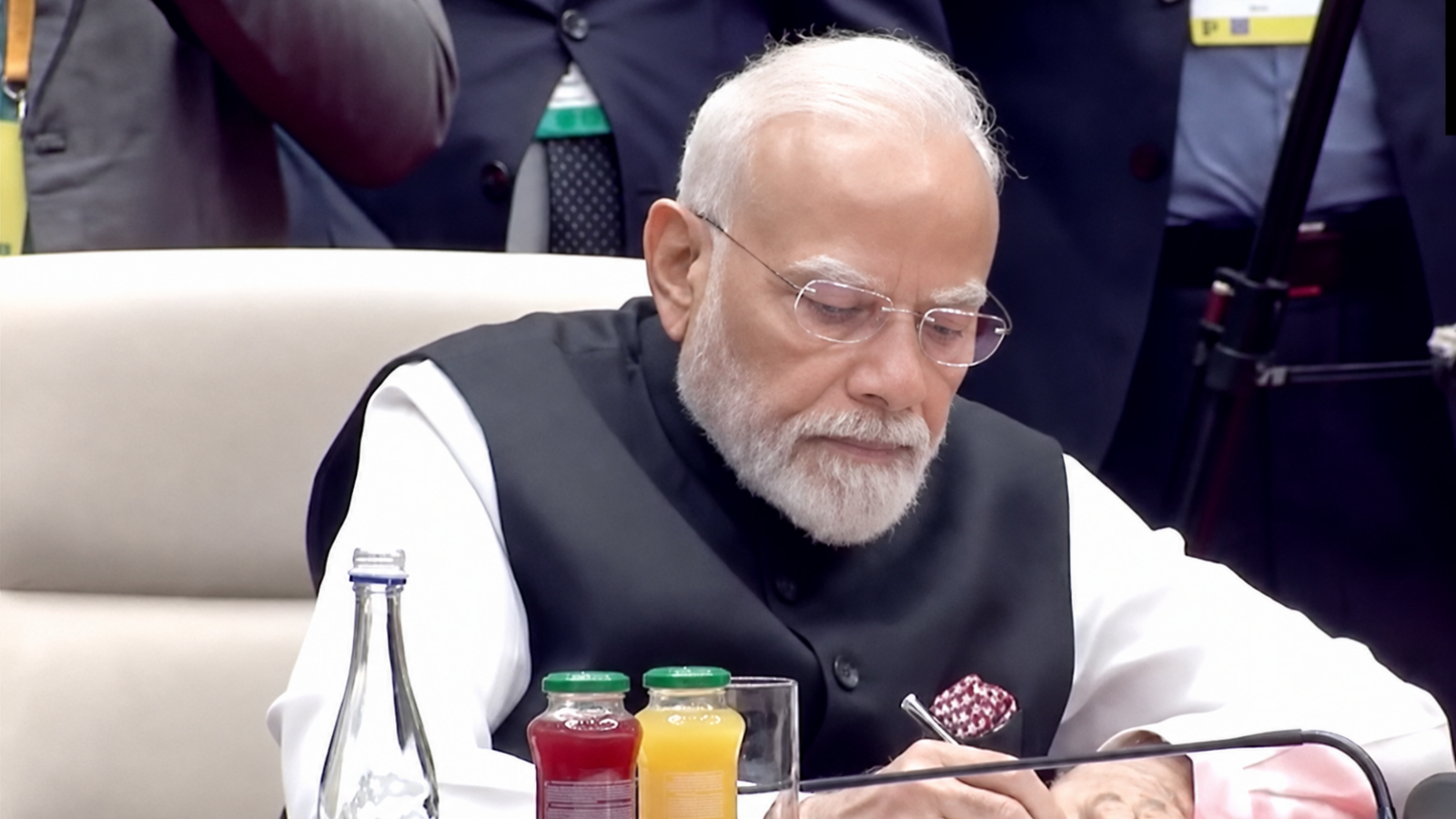
This latest escalation arrives at a delicate moment for international diplomacy. Just days prior to the strikes, high-level meetings took place on multiple fronts. Prime Minister Narendra Modi engaged with Vladimir Putin on the sidelines of regional summits, explicitly stating that the war must conclude for the sake of humanity. Meanwhile, Western envoys and intelligence directors have quietly held discussions in Moscow and Kyiv to test the waters for potential peace negotiations.
Yet, realities on the ground move faster than diplomatic channels. Every massive aerial assault hardens positions and adds to a mounting casualty list that includes not just combatants or local citizens, but international visitors and expatriates. As air defense supplies remain a constant point of discussion between Ukraine and its allies, the civilian toll climbs higher with each passing week.
Keep a close eye on official advisories if you have friends or family traveling through Eastern Europe. Check local embassy updates regularly, and take regional security alerts seriously before situations escalate without warning.