The Obsession With Ghosts
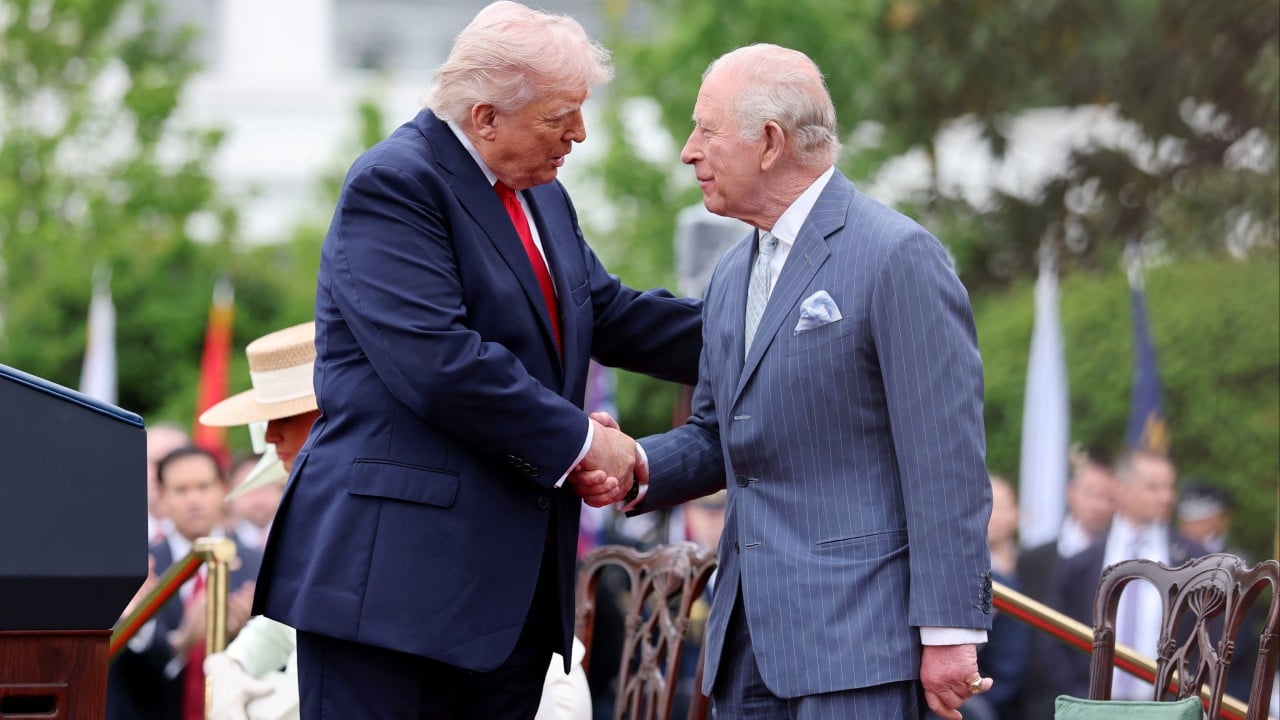
Mainstream media is lazy. It’s an easy trope: take a royal visit, dig up a decade-old scandal involving a disgraced billionaire, and link them together with the thin thread of "unresolved questions." The current narrative surrounding King Charles’s visit to the United States is suffocating under the weight of the Epstein scandal. Pundits want you to believe that a few uncomfortable photos and a connection through Prince Andrew are the primary threats to the House of Windsor’s presence on the global stage.
They are wrong. They are focusing on a ghost when they should be looking at a corpse.
The Epstein connection is a tabloid distraction. It’s a convenient shield for a much more terrifying reality for the British Monarchy: they are becoming culturally irrelevant in the very country they once viewed as their most vital democratic partner. If you think the "Epstein loom" is what’s keeping Buckingham Palace officials up at night, you don't understand how power functions in the 21st century.
The Myth of the Moral Barometer
The "lazy consensus" argues that the King's visit is a delicate PR dance designed to scrub the royal brand clean of the Epstein association. This assumes the American public views the British Monarchy as a moral authority.
It hasn't been that way for thirty years.
The American fascination with the royals transitioned long ago from respect for a sovereign institution to the consumption of a high-end reality show. In a world of digital transparency, the "mystery" of the crown is gone. When King Charles touches down on U.S. soil, the average American isn't weighing the ethics of his brother’s former associations. They are wondering if the spectacle is worth the traffic jam.
The Epstein scandal is a legal and ethical disaster for Prince Andrew, certainly. But for Charles, it’s merely a branding tax. The real crisis is that the British Monarchy no longer offers a unique value proposition to the "Special Relationship."
The Death of the "Special Relationship" Mirage
For decades, royal visits served as the ultimate diplomatic lubricant. They were the "soft power" equivalent of a nuclear deterrent. A state dinner wasn't just about food; it was about reaffirming a cultural and military hegemony.
But look at the data. The geopolitical center of gravity has shifted. The U.S. is increasingly focused on the Pacific. The UK, post-Brexit, is struggling to define its role as anything other than a mid-tier European power with a glorious past.
King Charles isn't visiting the U.S. to outrun a scandal. He’s visiting to prove he’s still worth a meeting with the President. The "Epstein Loom" narrative is actually helpful to the Palace because it frames the Monarchy as a relevant, albeit controversial, entity. The alternative—being ignored—is far more dangerous.
Why "Accountability" Is the Wrong Metric
People ask: "Why won't the King address the Epstein links directly?"
The answer is brutal: because it’s a losing game. In the world of high-stakes diplomacy, silence isn't an admission of guilt; it’s a refusal to play on the opponent’s terms. If Charles mentions Epstein, he legitimizes the idea that the Monarchy is a singular, responsible entity for the private failings of its members.
Institutional survival 101: Never apologize for something you didn't do, and never give a headline a quote it can use for the next ten years.
Critics argue that "transparency" would save the crown. I've watched organizations try this "radical honesty" approach. It doesn't build trust; it provides more ammunition for the demolition crew. The Monarchy survives on the "Magic of the Crown"—the idea that the office is greater than the individual. Bringing that office down into the mud of a criminal investigation, even as a commentator, destroys the last shred of distance that makes the institution work.
The Nuance: It’s an Identity Crisis, Not a Legal One
The real friction in this visit isn't between Charles and the ghost of Jeffrey Epstein. It’s between Charles and the American perception of British identity.
The U.S. is currently obsessed with "Succession"-style corporate dynamics and the dismantling of inherited privilege. In this climate, a King is an anomaly. The Epstein scandal is just a convenient hook for a deeper American resentment toward the idea of "The Crown" itself.
If you want to understand the tension of this visit, look at the polling numbers for the Monarchy among Americans under thirty. It’s not that they hate the King because of Epstein; they find the entire concept of a King fundamentally absurd.
Stop Asking if the Scandal Will Break the Visit
You’re asking the wrong question. You should be asking why we still care about the visit at all.
The obsession with the scandal is a form of nostalgia. It treats the Monarchy like it still has the power to be "ruined." You can only ruin something that has a high value to begin with. By focusing on the Epstein connection, the media is pretending that the British Monarchy is still the central pillar of Western cultural life.
It’s not. It’s a heritage brand trying to survive in a digital economy that prizes disruption over tradition.
The Hard Truth for the Palace
I have seen institutions pour millions into "rebranding" campaigns during crises. They hire the best consultants, craft the perfect talking points, and orchestrate the most "relatable" photo ops.
It never works if the product is obsolete.
The product here is "British Prestige." The Epstein scandal didn't break that prestige; it merely highlighted that the prestige was already hollow. Charles’s visit to the U.S. will be a series of choreographed moments that will be forgotten by the next news cycle. The "scandal" will be the only thing people talk about because there is nothing else of substance being offered.
No new trade deals are being signed at a royal banquet. No major shift in climate policy is happening because of a speech at a gala. The visit is a victory lap for a race that ended twenty years ago.
The Strategy of Irrelevance
If Charles wants to "disrupt" the narrative, he shouldn't run from the scandal. He should embrace the reality that the Monarchy is no longer a political powerhouse.
He should stop trying to be a "global statesman" and lean into being a "custodian of history." The more the Palace tries to compete with modern celebrity culture—which is exactly what happens when you get dragged into Epstein-style news cycles—the more they lose. You cannot out-celebrity the Kardashians, and you cannot out-scandal the internet.
The only move left is to be so traditional, so stoic, and so removed from the modern fray that you become a fixed point in a turning world.
The Final Blow
The media will keep writing about Epstein because it gets clicks. The Palace will keep ignoring it because they have no choice.
But don't mistake the noise for the signal. The "Epstein Loom" isn't a shadow over the King’s visit; it’s the neon sign pointing to the fact that the Monarchy has nothing else to talk about. The scandal isn't the threat to the institution. The threat is the realization that if you took the scandal away, the visit wouldn't matter at all.
Stop looking for the smoking gun in the King's luggage. The gun is empty, the target has moved, and the spectators are already leaving the stadium.