The water off the coast of southeastern Australia does not welcome you with the turquoise warmth of a tropical postcard. It is cold. It is heavy. It smells of ancient salt, decaying kelp, and a deep, secretive chill that sinks straight through neoprene and settles into your bones.
Underneath that surface, for generations, a quiet catastrophe has been unfolding in absolute darkness.
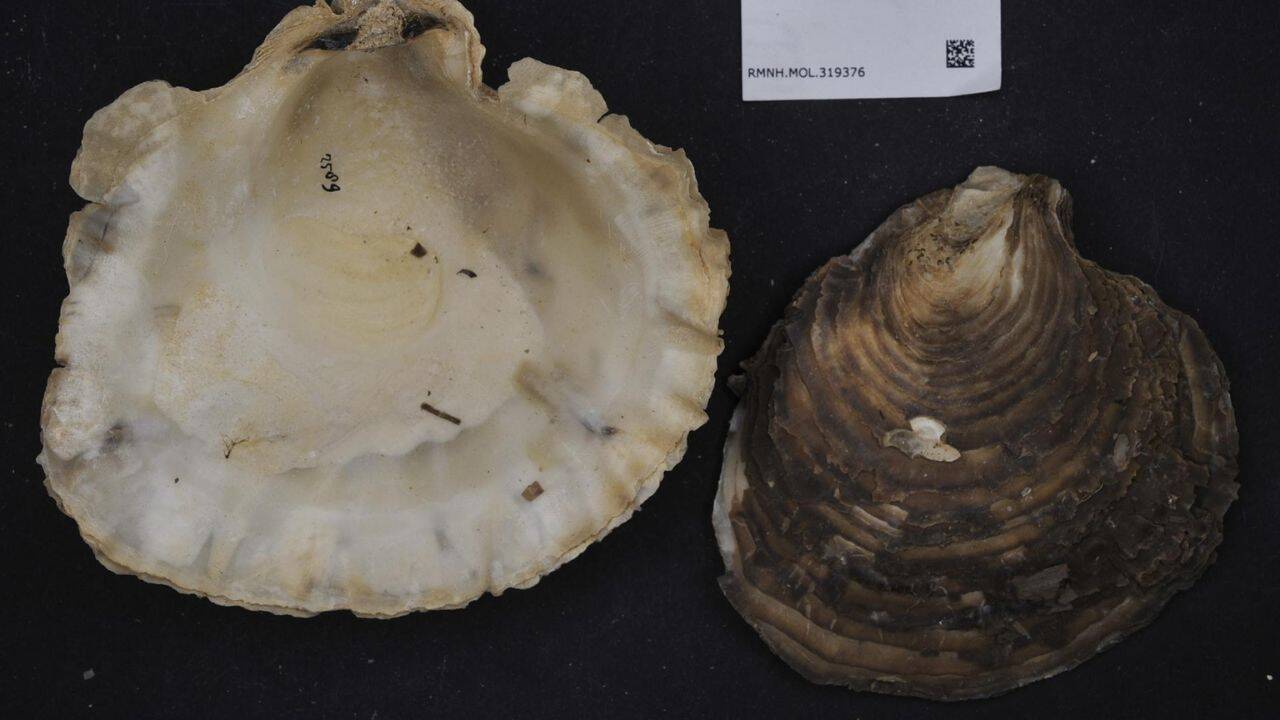
Before European settlement mapped these bays, the seafloor here was not a barren stretch of shifting sand. It was a metropolis. It was a cathedral of limestone and living shell—vast, undulating oyster reefs that stretched for hundreds of kilometers across southern Australian waters. These were not the tiny, solitary delicacies served on crushed ice with a squeeze of lemon. These were dense, sprawling colonies of Ostrea angasi, the native Australian flat oyster. Each individual was a master architect, filtering hundreds of liters of water a day, locking away carbon, stabilizing the shoreline against violent storms, and creating a sprawling nursery where hundreds of marine species could shelter, breed, and thrive.
Then came the gold rush of extraction.
In the nineteenth and early twentieth centuries, dredges scraped the sea floor raw. Oysters were hauled up by the millions, burned to make agricultural lime, or stacked on market stalls until the beds were utterly, catastrophically exhausted. By the time modern marine conservationists looked closely at what remained, over ninety-nine percent of southern Australia’s native oyster reefs had vanished.
An entire ecosystem had been erased. The water lost its clarity. The fish populations dwindled. The seabed became a ghost town.
History tells us that humans are exceptionally good at breaking things. We are notoriously bad at putting them back together.
Enter a group of teenagers.
Picture Maya. She is seventeen, standing on the deck of a rolling research vessel wrapped in a thick towel, her lips tinged a faint, stubborn blue. She isn’t a marine biologist with decades of field notes behind her. She is a high school student from Melbourne who spends most of her weekdays wrestling with calculus equations and wondering what kind of future awaits her on a rapidly warming planet.
Yet, here she is, peering down into the dark, churning surface of Port Phillip Bay.
She is holding a mesh bag filled not with trash to throw away, but with something far more precious: salvaged, heavy, scarred oyster shells seeded with microscopic hope.
In a world where environmental news usually arrives packaged as an unyielding avalanche of doom, what these students are doing feels almost defiant. They are not reading about mass extinction in a textbook. They are strapping heavy lead weights to their waists, biting down on mouthpieces, and plunging backward into the green murk to rebuild the reef with their own hands.
This is not a feel-good afternoon volunteering exercise. It is heavy, physical labor.
Underwater, the visibility is often less than three meters. The silt swirls around your fins like underwater smoke, turning the ocean into a blind, silent maze. Maya kicks downward, equalizing the pressure in her ears as the familiar, comforting roar of her own breathing echoes inside her skull. Beside her, other students and instructors drift down like weightless astronauts in an alien forest.
They carry heavy frames, biodegradable mesh mats, and sacks of recycled shells collected from local restaurants—shells that were destined for landfill, now given a second life as the foundational bedrock for a new generation of marine life.
When you sink to the muddy floor of a degraded bay, you immediately notice what is missing. There is no structural complexity. There are no safe crevices for small fish to hide from predators. There is only a flat, monotonous desert of sediment.
Working in pairs, the students position the recycled shells, anchoring them securely against the shifting tides. Every single shell placed on that barren seafloor acts as an invitation. In nature, native oyster larvae are swimming blindly through the water column, searching desperately for a hard surface to call home. Without that hard calcium substrate, they drift endlessly until they die.
By dropping these shells into the bay, the students are laying down welcome mats for an entire ecosystem.
The science behind this is elegant in its simplicity, even if the execution requires grit. Native flat oysters once dominated these waters, functioning as the ultimate biological filtration system. A single healthy reef can clear an entire bay’s volume of water in a matter of days, stripping out excess nutrients, reducing turbidity, and allowing sunlight to penetrate deep enough to revive underwater seagrass meadows.
When you restore the oyster, you restore the water. When you restore the water, you restore the light. And when the light returns, everything else follows.
Consider what happens next, months after the teenagers have packed up their wetsuits and returned to their classrooms.
Microscopic larvae find the newly constructed reef. They settle, cement themselves to the recycled shells, and begin to grow. Within a year, those barren patches of seabed begin to heave with life. Small crabs scuttle between the calcium arches. Schools of juvenile snapper dart through the newly formed shadows. The mud stops shifting and starts holding firm, knitted together by a living web of marine biology.
It is easy to feel paralyzed by the scale of modern environmental collapse. We are constantly told that the problems are too vast, the oceans too warm, the timelines too short for individual human action to matter.
Maya felt that paralysis before she ever strapped on a tank.
"You read about climate change and habitat loss until your brain just goes numb," she admitted on the boat ride back, wringing out her wet hair as the salt dried in pale crystals on her cheeks. "It feels like watching a house burn down while you are holding a teacup. You think, What is the point? But down there, holding a single shell... it stops being a headline. It just becomes something that needs to be fixed. And you have hands. So you fix it."
There is profound wisdom in that muddy, shivering realization.
We often wait for massive, sweeping government interventions or miraculous technological breakthroughs to heal the planet. We look for silver bullets from ivory towers. But sometimes healing looks like a teenager in a wetsuit, hauling a mesh bag through freezing water, one heavy shell at a time.
The reef they are rebuilding in Australia’s southern bays will outlive them by centuries. Long after these students have graduated, grown old, and passed down their stories, those oysters will still be pumping water through their gills, locking away carbon, and holding the coastline steady against the rising tides.
The water in the bay remains cold. The challenges facing our oceans remain staggering, complex, and unyielding.
But beneath the surface, in the quiet, green dark, a generation is learning that you do not need to save the entire world all at once. You just need to find a patch of barren ground, dive down deep, and start building something that wants to live.