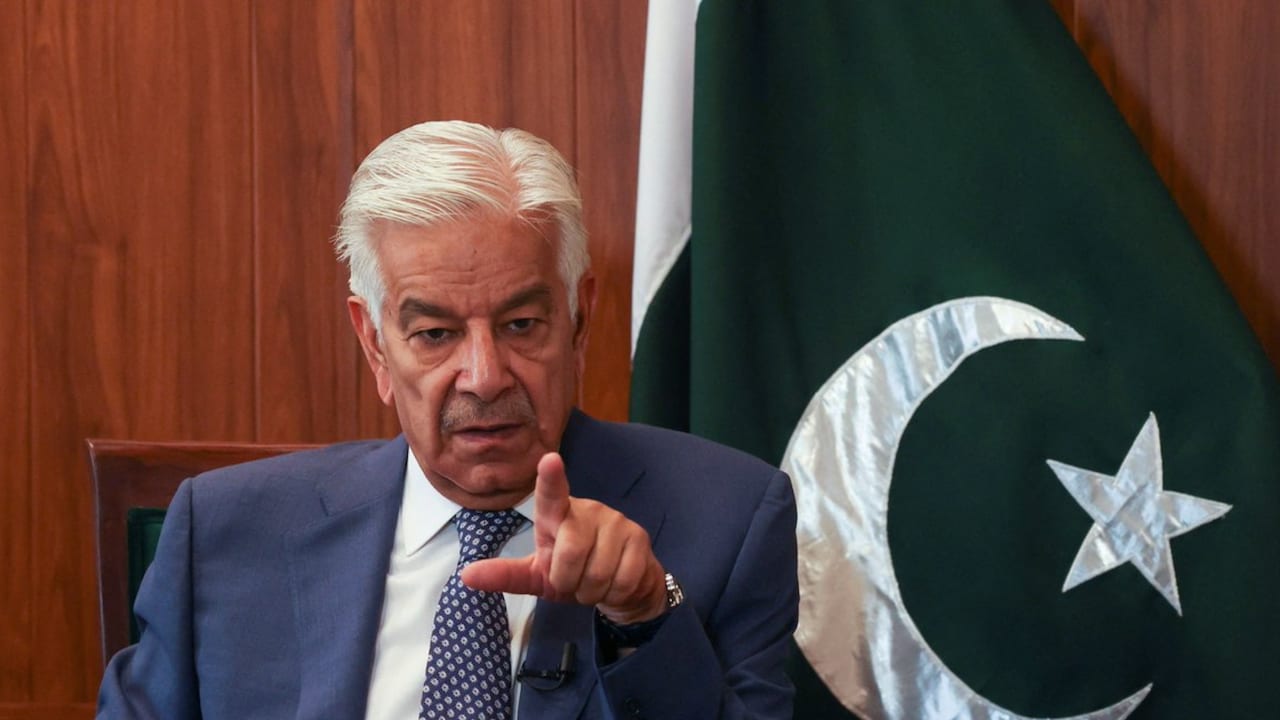
When a government starts treating its own citizens like foreign invaders, the social contract is broken. Pakistan Defence Minister Khawaja Asif crossed a dangerous line by publicly declaring that protesters in Pakistan-occupied Kashmir are "enemies like India".
Thirty-two lives lost. Thousands marching. A heavy-handed military crackdown. Instead of offering answers or basic political accountability, Islamabad doubled down on hostility.
Let's look at what is actually happening on the ground and why this rhetoric matters.
The Roots of the Rawalakot Protests
The unrest didn't happen overnight. For months, residents across Pakistan-occupied Kashmir have taken to the streets to demand basic rights, affordable electricity, and subsidized wheat flour. Decades of administrative neglect and soaring inflation pushed working-class families to a breaking point.
The immediate catalyst for the deadliest clashes involved a massive march organized by the Joint Awami Action Committee (JAAC). Thousands walked from Rawalakot toward Muzaffarabad. Their primary demand was straightforward: abolish the twelve legislative assembly seats reserved for Kashmiri refugees in Pakistan, which locals argue dilute their political voice and hand control to Islamabad-backed parties.
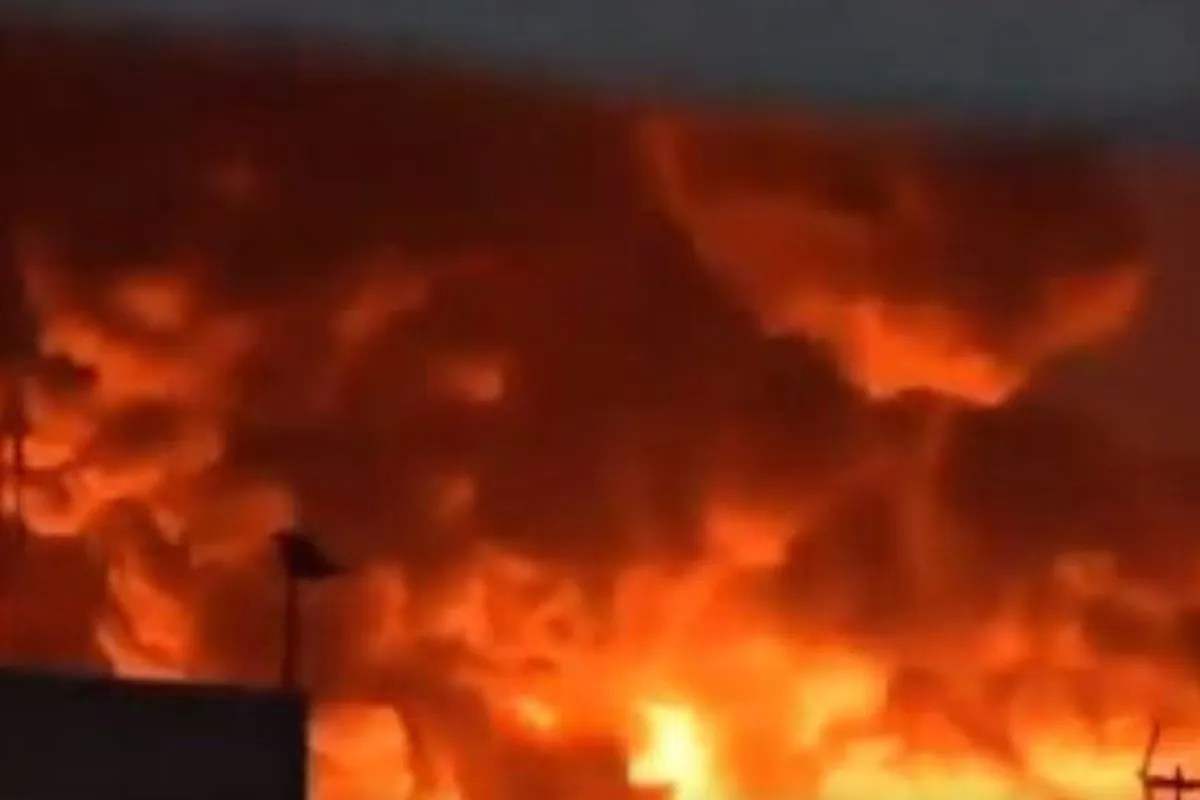
Security forces responded with live ammunition. At least fourteen activists died in a single day of shooting, pushing total casualty numbers significantly higher depending on the reporting of ongoing clashes.
Labeling Your Own People as Foreign Threats
Governments usually try to spin civil unrest as a law-and-order issue or blame foreign hands. Khawaja Asif took it a step further during a local television interview. He explicitly stated that he puts protesters in the exact same category as India.
That choice of words is telling. By framing domestic civil disobedience as an act of external war, the state grants itself permission to use maximum force. If you're an enemy combatant, you don't get civil rights. You don't get negotiated settlements. You get bullets.
Asif also completely ruled out any dialogue with the leadership of the movement, branding them outright enemies of the state. Refusing to talk to people demanding democratic representation guarantees that the conflict will only fester.
The Fallout and Local Pushback
The political blowback was swift. Even local leaders installed by Islamabad felt the pressure to respond. Faisal Mumtaz Rathore, the Prime Minister of Pakistan-administered Kashmir, publicly rejected Asif's inflammatory remarks, stating that Kashmiris don't need validation from federal ministers and demanding an apology.
When regional proxies start publicly pushing back against federal heavyweights, you know the political friction is reaching a boiling point.
Meanwhile, India dismissed the ongoing legislative elections in the region as a cosmetic exercise meant to camouflage severe human rights violations and long-standing administrative failures. New Delhi pointed out that the protests are a natural consequence of economic exploitation and the total denial of basic freedoms.
Where This Leads Next
You cannot shoot your way out of an economic and political crisis. When a state tells its own citizens that they belong to the enemy camp, it signals intellectual bankruptcy at the top.
Expect deeper alienation in the region. The trust between Islamabad and the population of Pakistan-occupied Kashmir is fractured beyond easy repair. Watch how regional political actors navigate this split, because the days of quiet compliance are over.
PoK Citizens Are Like India? Khawaja Asif's Viral Remark Sparks Storm
This video report breaks down the viral remarks made by Pakistan's defense minister and the intense local and international fallout that followed.
http://googleusercontent.com/youtube_content/1