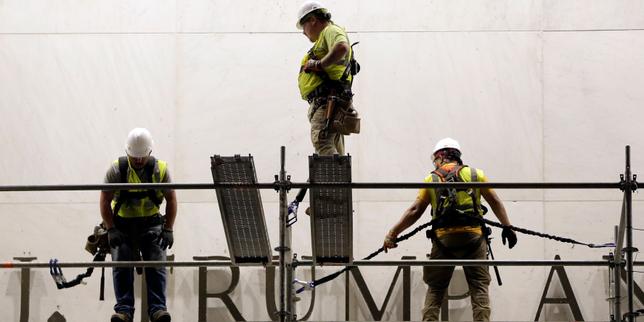
A crew of workers in hard hats erected scaffolding under the cover of darkness. By 2:00 AM, they draped heavy tarpaulins over the structure, desperately trying to block the view of a gathering crowd. But the onlookers still caught glimpses through the gaps. Armed with tools, the crew began prying heavy letters off the front portico. It took about 30 minutes. Just like that, the words "The Donald J. Trump and" were purged from the facade of the John F. Kennedy Center for the Performing Arts.
If you think this is just a petty squabble over local Washington real estate, you're missing the bigger picture. This middle-of-the-night operation is a massive, concrete example of the federal court system aggressively pushing back against executive overreach.
The physical scrub followed a frantic, last-minute blitz of legal maneuvers. Government lawyers scrambled to delay the inevitable, citing everything from pending appeals to literal thunderstorms. They missed the original midnight deadline, but by Saturday morning, a legal filing confirmed the job was done. The building is once again, strictly, a living memorial to JFK.
Understanding how we got here requires looking at a wild six-month timeline that completely disrupted the American arts scene.
The Secretive Takeover of a National Landmark
You can't just slap your name on a building that Congress designated as a national monument back in 1964. Or, at least, you aren't supposed to.
The drama kicked off in early 2025 when the White House purged the Kennedy Center's board of trustees, packing it with political loyalists. By December, this newly weaponized board held a swift, unanimous vote to rename the venue the Trump-Kennedy Center. The golden lettering went up on the building almost instantly. In fact, Justice Department lawyers later had to admit the signage was purchased and prepared way before the board even voted. Talk about a done deal.
The backlash was instant and brutal.
- Ticket sales plummeted to historic lows.
- High-profile musicians and artists pulled out of scheduled performances, refusing to take the stage under the new branding.
- The Kennedy family publicly condemned the renaming, calling it a defilement of a monument meant to honor a fallen president.
The real counterpunch, though, came from Ohio Democratic Representative Joyce Beatty. As an ex-officio board member, Beatty was literally muted during the virtual meeting when she tried to object to the name change. She didn't take it lying down. She sued.
What the Courts Said About Executive Power
The legal battle ended up on the desk of U.S. District Judge Christopher R. Cooper. His massive 94-page ruling cuts right to the core of how American governance is supposed to work.
Cooper didn't mince words. "Congress gave the Kennedy Center its name, and only Congress can change it," he wrote. The ruling declared that the board of trustees completely bypassed their legal boundaries and violated a direct congressional mandate.
The White House tried to play hardball right up to the final hours. On Friday afternoon, government lawyers begged an appeals court for an emergency stay. They argued that it made no sense to rip down the letters when they might win an appeal later. The court took about three hours to look at that argument and completely reject it.
When the news hit the crowd of protestors waiting outside the venue on Friday night, the plaza erupted in cheers. The chants of "Take it down!" finally got their answer a few hours later.
It Was Never Just About the Signage
If you've been paying attention, you know this name game is part of a much broader strategy. The current administration has spent months sticking the president's name or image onto everything from U.S. passports and naval battleships to social welfare programs and paper currency.
At the Kennedy Center, the branding change was paired with an even more disruptive plan: a mandatory, total closure of the venue for two years of "renovations" starting in July.
Critics smelled a rat immediately. Norman Eisen, one of the attorneys representing Representative Beatty, pointed out that the center's original maintenance plans allowed the venue to stay open during repairs. The sudden push for a total shutdown looked like a tactical move to shield the administration from a harsh reality: major artists simply refused to perform under the Trump banner.
Judge Cooper saw through it too. Along with ordering the letters to come down, he blocked the two-year shutdown. While internal memos show some lingering resistance from the center's general counsel, the legal mandate is clear. The doors must stay open, and the music has to play.
What Happens Next
The letters are gone. The official website, voicemail systems, and social media channels have been scrubbed of the dual branding. If you're looking to book tickets or track how this battlefield shifts next, here's what to watch for:
- Watch the Programming: Look at the upcoming schedule for the fall season. Now that the name is restored, expect a wave of mainstream artists who previously boycotted the venue to quietly book return dates.
- Track the Funding Fight: The administration's allies on the board still hold the purse strings. Keep an eye on congressional appropriations committees, where defunding battles over the center's operational budget will likely heat up.
- Monitor the Broader Branding Push: This court victory provides a blueprint. Expect civil rights groups and lawmakers to use Judge Cooper's strict interpretation of congressional intent to challenge the president's name on other federal properties and public goods.
The physical letters might have taken only thirty minutes to pry off the wall, but the legal precedent set this week will stick around a lot longer.