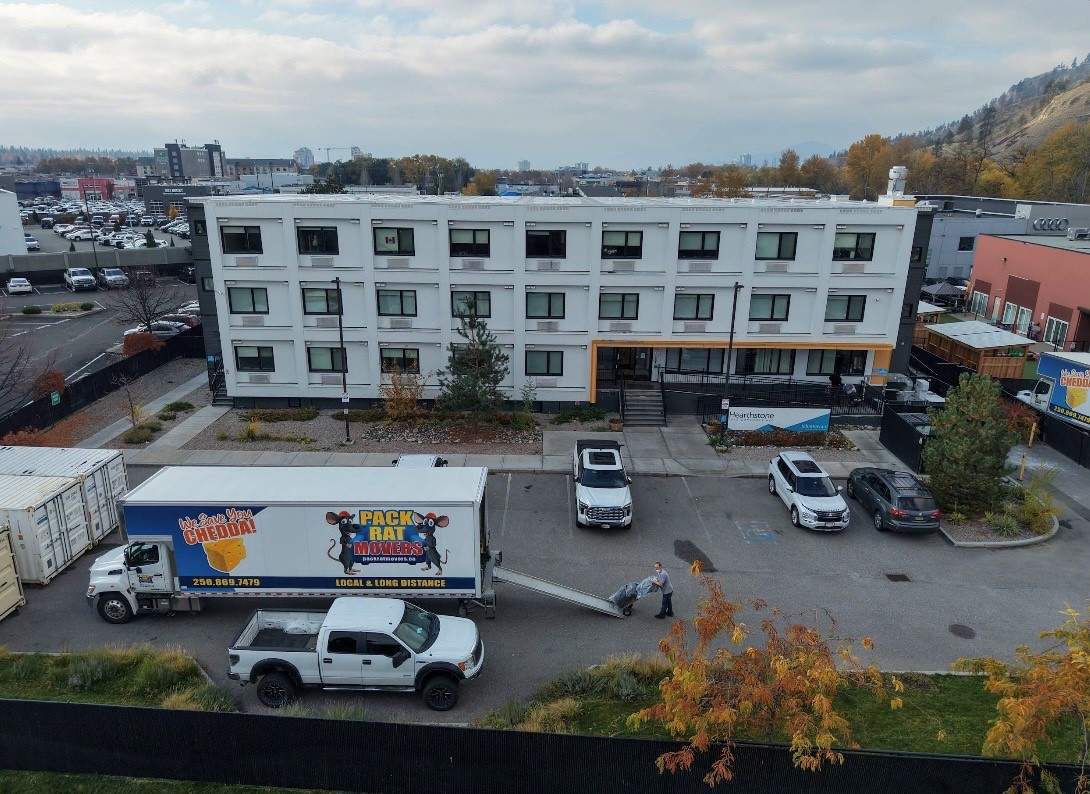
Around 50 people lost their homes after an October 5 fire hit the Hearthstone supportive housing facility at 1642 Commerce Avenue in Kelowna. Flames stayed inside one second-floor unit, yet sprinkler water tore through lower floors and left the building unfit to live in. Now, the John Howard Society of Okanagan and Kootenay has terminated rental agreements under what is known as a frustrated tenancy.
That single phrase—frustrated tenancy—is where a quick news story stops and the real policy mess begins. When a fire or disaster destroys habitability through no fault of the landlord or tenant, the tenancy agreement can end without a standard eviction notice. Legally, that makes sense on paper. On the ground in Kelowna heading into winter, it leaves dozens of vulnerable residents scrambling for beds while the building sits closed until sometime in 2027.
How a Contained Fire Ends Dozens of Homes
People hear "contained to one unit" and picture a minor inconvenience. That's rarely how multi-unit fires play out.
Sprinklers do their job and save lives, then flood ceilings, walls, and floors below. Remediation crews move in for safety checks and salvage work, while on-site programs—like the food program at Hearthstone—vanish overnight. Even if structural bones remain intact, moisture, damage, and safety rules can close a building for months.
When an operator declares a frustrated tenancy, the lease isn't just paused. It ends because the home no longer exists as a habitable rental unit under the agreement. For someone living in supportive housing, losing a lease doesn't just mean packing boxes. You lose a front door, a predictable address, and daily access to staff who know your routines.
Why Shelter Beds Don't Solve Every Displacement
John Howard Society executive director Patricia Bacon noted that staff lined up shelter spaces and beds so nobody was simply dumped on the street. Still, not everyone took those offers. Some displaced residents ended up in outdoor encampments instead.
Honestly, if you've spent time working with unhoused or precariously housed folks, that surprises nobody. A shelter bed is not an apartment. Shared rooms, curfews, storage limits, noise, or past trauma can make a shelter feel harder than a tent—even when temperatures drop. When a supportive housing building closes for a year or more, emergency shelter isn't a one-for-one replacement. It's a stopgap with real friction.
What Happens to Belongings and Tenancies Under BC Rules
Displaced tenants and family members usually ask three urgent questions right after a fire:
- Can I get my things back? Usually yes, once fire investigators and remediation contractors clear entry. Recovery can be slow and messy, especially when water or smoke damage hits personal items.
- Does a terminated agreement count as an eviction on my record? A frustrated tenancy occurs when an unforeseen event makes the unit uninhabitable through no fault of either party. It differs from a standard fault-based eviction notice.
- How do supportive housing rules work right now in BC? According to the Province of British Columbia supportive housing tenancy guidance, supportive housing is operated by BC Housing, health authorities, or non-profits with on-site supports, and rules around tenancy agreements and disputes are governed through the Residential Tenancy Branch.
Because exact lease terms and emergency orders depend on the specific agreement and circumstances, tenants shouldn't guess their rights from secondhand chatter. Checking official rules and getting one-on-one help matters fast after a major displacement.
Where Kelowna's Housing Gap Shows Up Most
A single fire shouldn't knock out dozens of supportive homes for over a year without exposing a bigger bottleneck. Kelowna already faces tight deeply affordable housing, and losing a facility like Hearthstone removes both housing stock and wraparound support at once.
As reported by Global News and Kelowna Capital News, the October 5 fire left dozens of people facing an uncertain winter while remediation and rebuilding stretched toward 2027. When a city runs thin on deeply affordable units, one building closure ripples across shelters, outreach teams, and encampments all at once.
Practical Next Steps If You or Someone You Know Is Affected
If you're a displaced resident, a relative, or a local advocate trying to navigate what comes next after a supportive housing fire:
- Contact the housing operator and outreach team directly to confirm alternative housing placements, storage options, and updates on salvaged belongings.
- Keep written records of any termination notices, relocation offers, and property inventories so nothing gets lost between agencies.
- Reach out to the BC Residential Tenancy Branch or a local tenant advocacy clinic if you have questions about how your agreement ended or what steps apply to your situation.
- Check in regularly with displaced residents on practical needs—warm clothing, phone charging, ID replacement, and meals—since paperwork and housing matches often take longer than anyone expects.