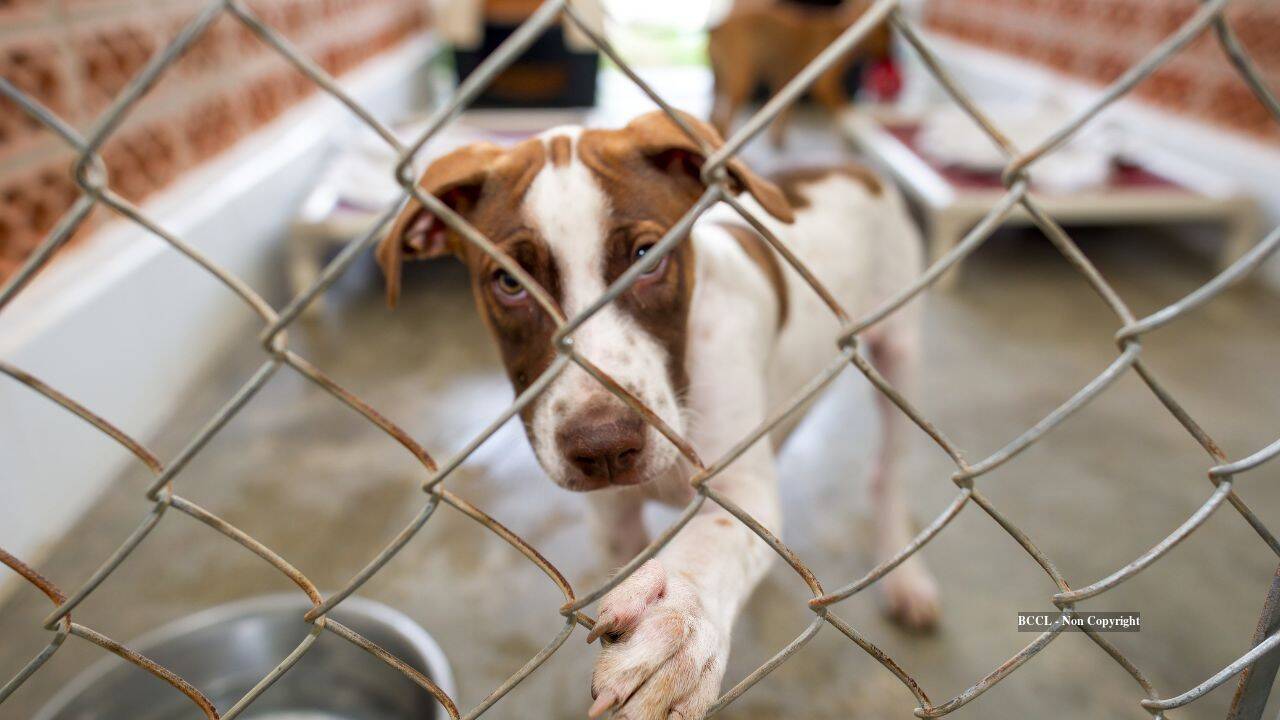
Stray dogs roaming rural and remote roads face a brutal reality. They are often dismissed, misunderstood, or ignored by outsiders who don't grasp the deep-rooted systemic shortages affecting northern and reserve communities. But change rarely starts with outside intervention. Real transformation usually begins at a kitchen table.
That is precisely where June Thomas started. Operating out of her home on the Roseau River Anishinabe First Nation in southern Manitoba, Thomas didn't wait for a corporate charity or a government agency to notice the crisis. She took matters into her own hands, transforming a grassroots individual effort into a permanent, community-led infrastructure that is rewriting the playbook for animal welfare.
The Reality Behind the Stray Population
When people talk about stray dogs or "rez dogs," they often lean on lazy stereotypes. They blame community members or assume a lack of care. That narrative is completely false.
The real culprit is a profound lack of local infrastructure. Veterinary care is expensive, distant, and logistically out of reach when the nearest clinic is hours away. Uncontrolled breeding happens quickly when basic spay-and-neuter services require traveling hundreds of kilometers and paying hundreds of dollars per animal.
Without local clinics, populations multiply fast. Diseases like canine parvovirus tear through litters with devastating speed. Packs form, creating safety concerns for residents and heartbreak for families who love animals but lack the resources to care for them properly. Thomas understood this dynamic intimately because she lived it. She knew that any meaningful solution had to respect community sovereignty and provide real resources instead of cheap judgment.
Building a Strategy That Actually Works
Instead of complaining about the gap, Thomas went to work. In 2021, working alongside the band council, she helped develop an official animal management plan and local bylaw for Roseau River.
Laws on paper mean nothing without groundwork. Thomas laced up her shoes and walked door-to-door, surveying roughly 200 homes. She asked residents direct questions:
- Do you have dogs or cats?
- Are they registered?
- Are they vaccinated or sterilized?
This door-to-door approach cut through skepticism. It turned a faceless statistical problem into a human conversation. Thomas mapped the community's exact needs, discovering which areas needed immediate intervention and where education was most required.
Resistance was inevitable at first. People had questions about cost, safety, and why procedures mattered. Thomas answered by removing the barriers entirely. She organized on-site spay-and-neuter clinics directly within the reserve, bringing veterinarians to the community so residents didn't have to travel. The first clinic carried a price tag exceeding 15,000 dollars, funded through a collaborative effort where six different community programs chipped in.
From Living Room Rescues to a Dedicated Shelter
What started in 2017 as a makeshift operation inside Thomas’s personal home steadily grew into Ginew Animal Care Services.
The impact of those early clinics was immediate and measurable. More than 65 animals were sterilized during initial efforts, and dozens of dogs were rescued from dangerous conditions. Within months, community participation shifted entirely. Where organizers once chased down sign-ups, they soon found that pet populations had stabilized because animals were already vaccinated and fixed. Survey data showed active dog and cat numbers dropping from over 210 down to roughly 117. Better yet, outbreaks of parvovirus vanished from the area for over a year.
All of this groundwork culminated in a massive milestone. In February 2026, Thomas officially opened a dedicated on-reserve animal shelter. This facility provides a permanent hub for medical care, intake, and community education, proving that Indigenous-led initiatives solve problems that external organizations spend decades talking about.
Lessons from Roseau River
If you want to support animal welfare or replicate this kind of success elsewhere, you have to throw out top-down management models. Lasting change requires three strict rules:
- Infectious local ownership. If residents aren't driving the initiative from day one, it will fail. Solutions must come from within.
- Remove logistical walls. If veterinary care requires a three-hour drive and deep pockets, people won't use it. Bring the clinic to the people.
- Focus on capacity, not temporary fixes. Rescuing a single dog feels good, but building a local shelter and establishing a sustainable bylaw changes hundreds of lives permanently.
June Thomas changed over 200 lives not by waiting for permission, but by rolling up her sleeves and doing the hard, unglamorous work block by block. That is what real community leadership looks like.