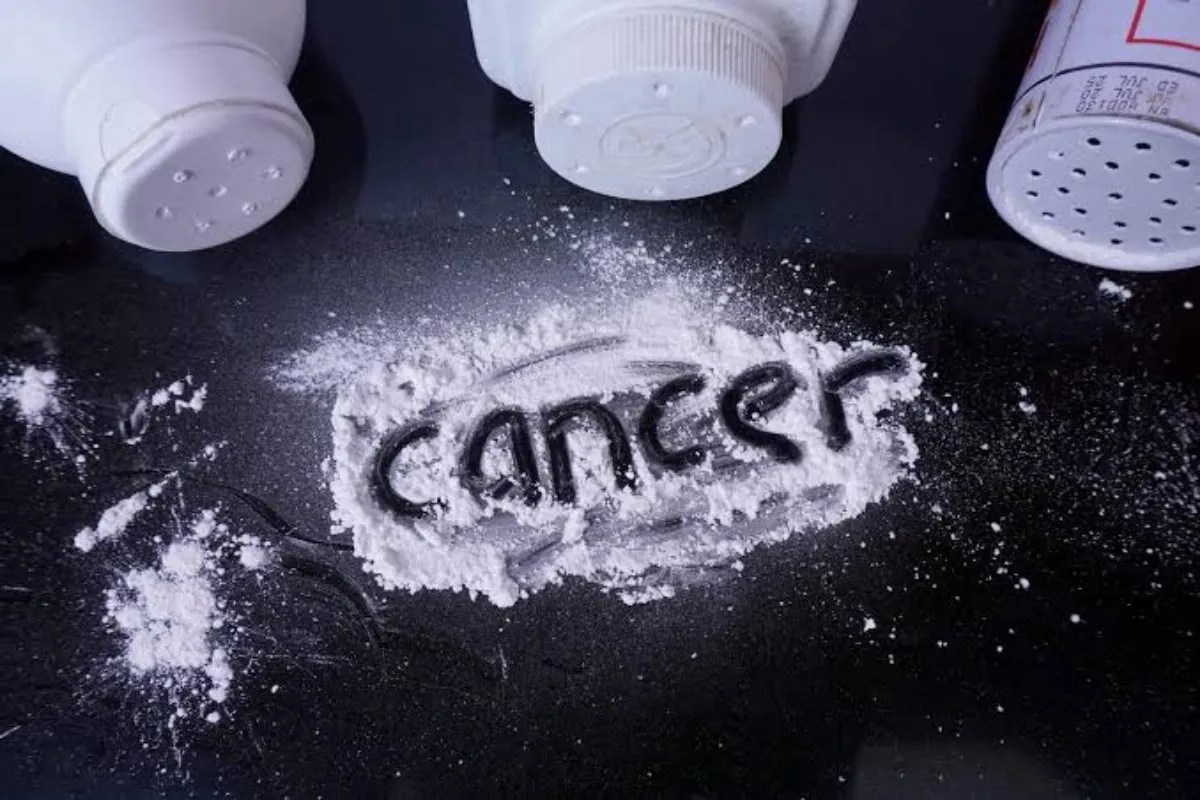
You have probably heard about the massive corporate legal battles dominating the news. Companies rarely hand over billions of dollars unless their backs are firmly against the wall. Johnson & Johnson recently agreed to pay a staggering sum of roughly 52,000 crore rupees to resolve tens of thousands of lawsuits. People claimed their talcum powder products caused serious health issues, specifically cancer.
Corporate accountability is rarely simple. It takes decades of litigation, stubborn plaintiffs, and mountains of scientific evidence to push a pharmaceutical giant into a massive settlement. If you are wondering how a simple bathroom staple turned into a multi-billion-dollar legal nightmare, you are not alone. You might also find this similar story insightful: Why Demonizing Palm Oil is a Lazy Excuse for Real Nutrition.
The Core Issue With Talc
Talc is a naturally occurring mineral. It is mined from the earth, crushed into a fine powder, and used in everything from cosmetics to baby products. It absorbs moisture well. It cuts down on friction.
The problem is geology. Talc deposits in nature often sit right next to asbestos deposits. Asbestos is a known carcinogen. When miners extract talc, cross-contamination happens easily if quality control fails. As reported in latest reports by Psychology Today, the implications are notable.
Plaintiffs argued for years that traces of asbestos found their way into everyday baby powder. When users applied the powder over decades, microscopic fibers were inhaled. The human body struggles to clear asbestos. Over time, trapped fibers trigger cellular changes. That leads to severe diagnoses like mesothelioma and ovarian cancer.
Johnson & Johnson always maintained its innocence. They insisted their products were safe, asbestos-free, and backed by decades of science. Juries disagreed. Multi-million dollar verdicts started piling up across different state courts.
The Anatomy Of A Mass Tort
Handling one lawsuit is expensive. Handling seventy-six thousand lawsuits is an administrative catastrophe.
Plaintiffs did not file as a single massive class action right away. Instead, individual consumers brought separate claims. Some alleged ovarian cancer after long-term feminine hygiene use. Others suffered from mesothelioma.
Lawyers pooled resources. They subpoenaed internal corporate memos. They found documents dating back decades suggesting company executives knew about occasional asbestos test anomalies in raw talc samples. That internal paper trail broke the defense wide open. Juries hate deception more than the initial mistake. Once internal emails surfaced showing executives downplaying contamination risks, settlement discussions became inevitable.
Bankruptcy courts entered the picture too. The corporation tried a controversial legal maneuver known as the Texas two-step. They created a subsidiary, moved the talc liability into it, and promptly filed that subsidiary for Chapter 11 bankruptcy. Courts shot down those attempts multiple times. Plaintiffs argued it was a bad-faith effort to cap liability. The message from judges was clear: pay what you owe or keep fighting individual trials.
What This Means For Consumer Safety
Big brands rely on trust. When you buy a trusted household name, you assume rigorous safety checks happened behind closed doors. This entire ordeal shatters that illusion.
Regulatory oversight is slower than public litigation. Agencies like the FDA rely heavily on manufacturers to self-report safety issues or review voluntary standards. When a massive gap emerges between corporate testing and consumer safety, lawsuits become the primary enforcement mechanism.
The financial payout does not erase the human cost. Billions of dollars split among tens of thousands of claimants or their surviving families cannot buy back lost health. However, it alters how companies evaluate risk. Risk management departments now view legacy product portfolios with extreme caution.
Moving Forward With Everyday Products
You do not need to panic every time you open your medicine cabinet. But you should pay attention.
Check your labels. Many major brands transitioned away from talc-based powders entirely. Cornstarch became the preferred, safe alternative for body powders and baby care items. Cornstarch molecules are larger and pose no risk of asbestos cross-contamination.
Look at product ingredients. If you own older cosmetic powders, check if talc sits at the top of the ingredient list. When in doubt, throw it out. Safe alternatives exist everywhere.
Corporate settlements signal accountability, even if they arrive decades late. Keep asking questions. Demand transparency from the brands you invite into your home.