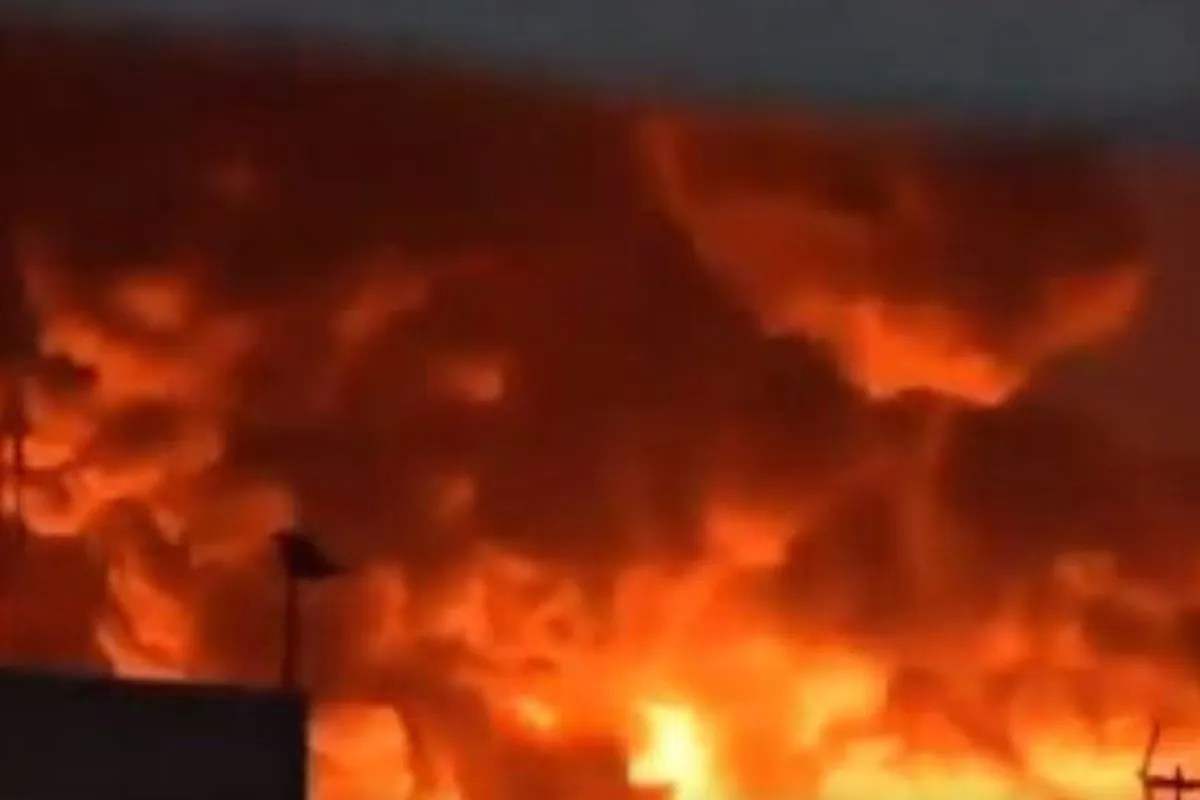
When the earth shifts beneath a modern metropolis, the immediate aftermath is rarely just about the magnitude on the Richter scale. It is a harsh test of infrastructure, human error, and the invisible systems holding densely populated regions together. Following a significant earthquake in Japan that left a growing death toll and rescue teams racing against time to find the missing, the true story extends far beyond the initial tremor. Years of stringent building codes and public readiness drills meet unpredictable tectonic violence. The outcome reveals both the triumph of engineering and the stark limits of human preparation against nature.
The Tectonic Reality
Japan sits atop one of the most volatile seismic zones on the planet. The Pacific, Philippine Sea, Eurasian, and North American plates grind against each other in a continuous, high-stakes geological friction. Every major seismic event serves as a brutal reminder of this geography.
Engineers in Tokyo, Kobe, and smaller regional municipalities have spent decades designing structures meant to bend rather than break. Base isolation systems, massive pendulum dampers hidden inside skyscrapers, and flexible utility pipes form an invisible shield for millions of residents. Yet, no matter how advanced the technology, shallow inland earthquakes strike with an erratic fury that defies generalized modeling. When the ground ruptures directly beneath a community, the margin for safety shrinks to seconds.
Logistics Under Pressure
Rescue operations in the wake of a major Japanese disaster face an immediate, crushing bottleneck. Geography dictates the difficulty. Mountainous terrain, narrow coastal roads, and shattered bridges isolate villages within hours of the first shockwave.
Self-Defense Forces and local emergency units deploy immediately, but heavy machinery cannot teleport through blocked mountain passes. The first seventy-two hours remain the critical window for finding survivors trapped under collapsed wooden structures. Traditional Japanese housing, particularly in older neighborhoods, features heavy tiled roofs sitting atop wooden frames. When a violent shake occurs, these roofs act like hammers, crushing the living spaces beneath them.
Modern steel-reinforced concrete holds firm, but older residential zones pay a heavy tax in human lives during every major tremor.
The Human Factor and Demographic Pressures
Rural depopulation changes the math of disaster response. As younger generations migrate to urban centers like Tokyo and Osaka, rural towns skew older.
An aging demographic creates unique vulnerabilities during an emergency. Evacuation shelters require mobility, physical endurance, and mental resilience. Elderly residents living alone struggle to navigate blocked evacuation routes or communicate their status when power grids fail.
Communities that once relied on tight-knit neighborhood networks now find those networks stretched thin. Local volunteer fire brigades, historically the backbone of immediate neighborhood rescue, face declining membership numbers. This shift forces emergency planners to rethink how warning systems reach populations that may not use smartphones or modern digital alert apps.
Infrastructure Resilience Versus Fatigue
Civil infrastructure ages alongside the population. Bridges built during the post-war economic boom require constant retrofitting.
Government agencies utilize advanced sensors to monitor structural fatigue, but funding priorities constantly shift between economic maintenance and disaster mitigation. A single bridge failure can sever the supply chain for emergency medicine, clean water, and fuel to an entire prefecture.
Redundancy is the ultimate defense against this fragility. Multiple transport routes, decentralized power grids powered by local solar arrays, and robust satellite communication backups ensure that a single point of failure does not collapse the entire relief effort.
The Psychological Aftermath
Beyond the physical wreckage lies the psychological toll on survivors. The collective trauma of recurring seismic threats fosters a unique cultural stoicism, often summarized by the phrase shoganai—it cannot be helped.
However, suppressed anxiety builds over decades of recurring crises. Mental health infrastructure in rural areas remains underfunded compared to major urban centers. Survivors often return to damaged homes, facing the daunting reality of rebuilding without adequate financial reserves or insurance payouts that cover the full cost of modern seismic retrofitting.
Lessons Written in Rubble
Every tremor rewrites the building codes. Engineers scrutinize every collapsed wall, every ruptured gas line, and every failed retaining wall to update national safety standards.
The international community watches closely, adopting Japanese seismic methodologies for earthquake zones from California to Chile. Yet, the persistent casualties in recent events prove that perfection remains out of reach. Nature always finds the weak spot in the armor.
Resilience is not a finished product. It is an ongoing, exhausting negotiation between human ambition and the relentless motion of the earth.