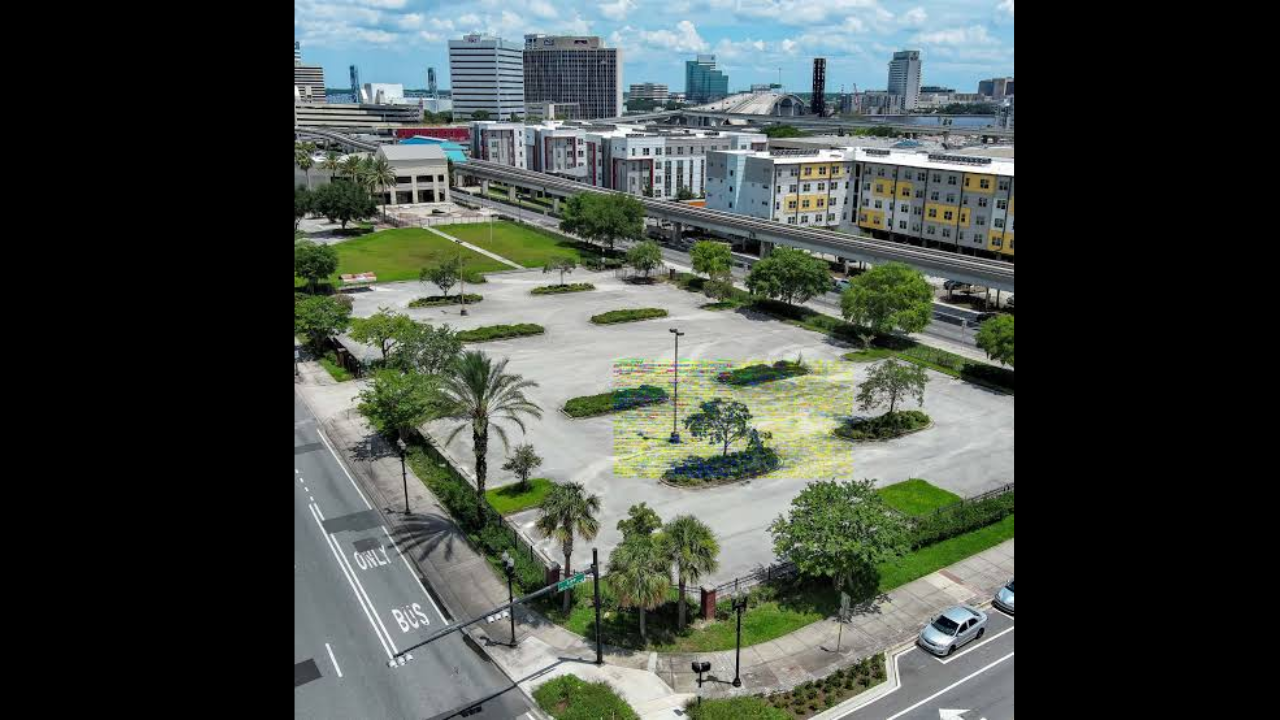
Cities love throwing money at shiny real estate projects, but Jacksonville just made a calculated bet that could actually change its economic DNA. By handing over 20 acres of prime downtown land alongside a massive capital commitment, local leaders secured a $300 million University of Florida graduate campus anchored by a heavy focus on semiconductor research.
Most municipal land deals end up as empty promises or overpriced parking lots. This one feels different. It addresses two massive national bottlenecks at the exact same time: a shortage of specialized tech talent and the desperate need to bring high-paying engineering jobs into Northeast Florida.
If you are wondering why a Florida city is suddenly obsessed with microchips, look at how modern supply chains operate. Every single piece of hardware powering the current artificial intelligence boom relies on advanced semiconductor manufacturing and design. Cities that build local pipelines for that talent will win the next decade. Those that don't will watch tech investment flow elsewhere.
Inside the 300 Million Dollar Downtown Blueprint
The numbers behind this project tell an interesting story about public-private collaboration. The Jacksonville City Council carved out a $50 million municipal commitment alongside the 20-acre land package, helping pull in state funding and private philanthropy to push the total investment pool to $300 million.
Instead of waiting a decade for new concrete to dry, the initiative wasted no time setting up operational footprints downtown to get graduate programs moving. The long-term blueprint for the LaVilla area targets disciplines that traditional southern regional colleges often ignore at a graduate level. We are talking about targeted engineering tracks, health sciences, business analytics, law, and architecture.
The crown jewel of the academic expansion is the Florida Semiconductor Institute. This isn't just about handing out standard master's degrees. It is designed as an applied research hub. Students and faculty will focus heavily on how to make chips faster, cheaper, and more efficient, directly feeding a domestic manufacturing base that the United States spent decades outsourcing.
What Everyone Misses About the Semiconductor Push
You hear politicians talk constantly about bringing tech manufacturing back to American soil. They talk about multi-billion dollar fabrication plants breaking ground in remote industrial parks.
Most people misunderstand how a regional hub succeeds here. Jacksonville isn't trying to out-muscle massive international fabrication foundries. That game requires tens of billions in specialized capital equipment. Instead, this campus is targeting the specialized research, electronic design, and testing ecosystems that support the broader hardware market.
By embedding the Florida Semiconductor Institute directly into an urban graduate center, the city creates a gravitational pull for engineering talent. When top-tier researchers graduate, they don't have to pack up and move to Silicon Valley or Austin. The infrastructure is being built right on Bay Street to keep them anchored in North Florida.
Navigating the Reality Check
Every major urban academic project faces real hurdles. Funding commitments look great on press releases, but execution requires navigating bureaucratic red tape, real estate development cycles, and aggressive faculty recruitment.
Building a top-tier engineering school from the ground up takes years of sustained corporate partnerships. It requires local defense contractors, tech startups, and medical device companies to step up and hire these graduates. If local industry fails to provide high-end employment for the incoming talent pipeline, the region risks an expensive brain drain.
Yet, the momentum is real. Mayor Donna Deegan and local stakeholders pushed this initiative through because the alternative—staying dependent on traditional tourism, logistics, and low-margin service sectors—is a dead end for a growing metropolitan area.
Look at how downtown Jacksonville is evolving. The arrival of a major research university changes local property values, attracts venture capital, and forces regional businesses to modernize their tech stacks. Keep an eye on how quickly the specialized labs scale up over the next year. If they manage to turn this 20-acre site into a functional microchip research engine, it will serve as the blueprint for how mid-sized American cities can reinvent their economies.