When the Ministry of Culture orders the Louvre, the Musée d'Orsay, and the Picasso Museum to bolt their iron doors ahead of a Saturday demonstration, something fundamental has shifted in the relationship between the French state and the public square. This is not merely about protecting canvases by Delacroix or sculptures by Rodin from collateral smoke. It is an admission of institutional vulnerability, a defensive crouch by a government that can no longer guarantee the basic security of its cultural crown jewels against escalating civil unrest.
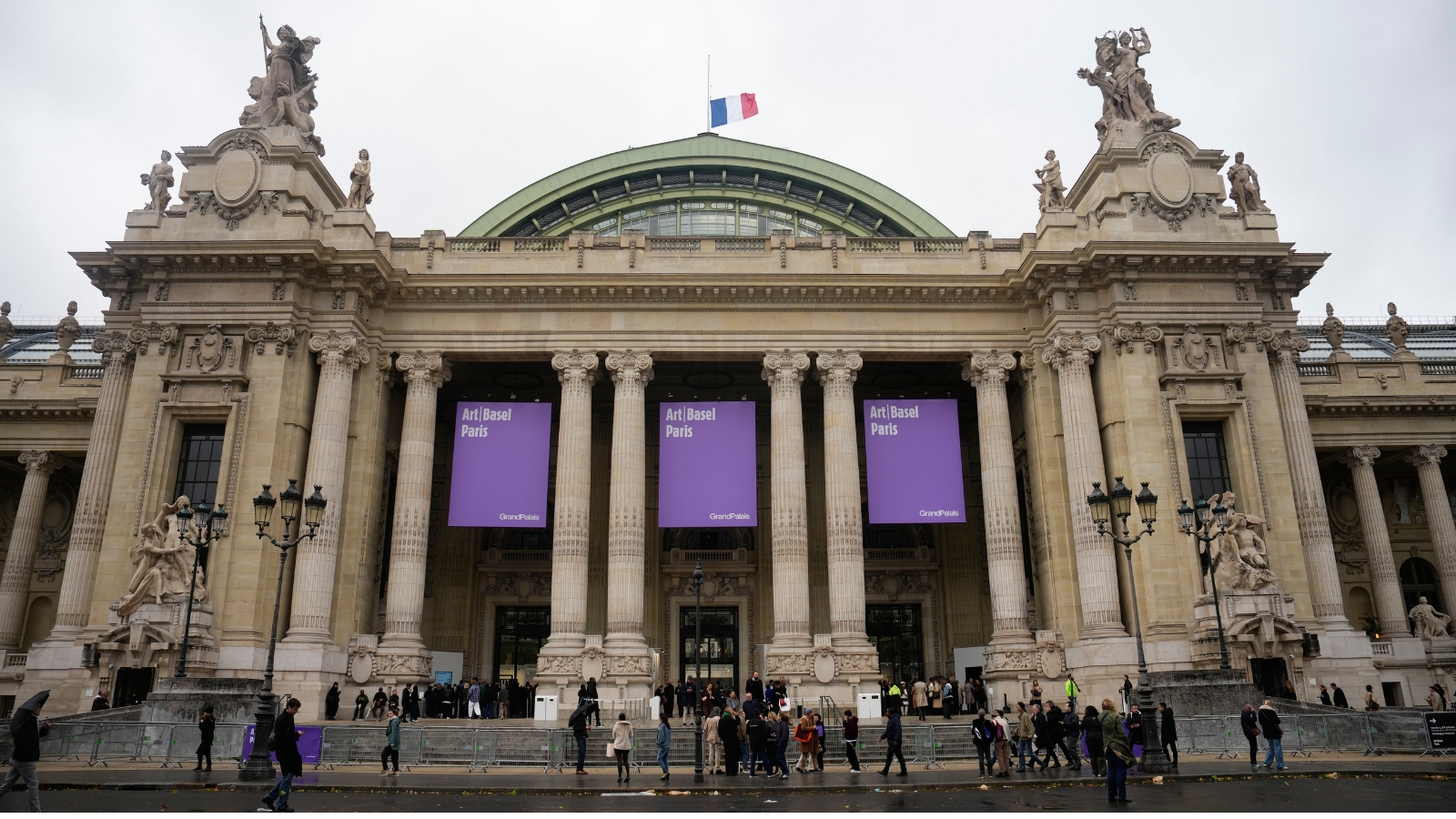
The immediate trigger is straightforward enough. Consecutive weekends of high-stakes demonstrations over the soaring cost of living, combined with the stubborn ghosts of populist street movements, have turned central Paris into a security puzzle. When authorities deploy tens of thousands of officers and still feel compelled to erase entire tourist zones from the map, the economic and symbolic toll is immediate. Art Basel Paris had to truncate its flagship international fair, turning a multi-day economic engine into a fleeting single-day affair because organizers and insurers refused to gamble on weekend street safety. Don't forget to check out our earlier article on this related article.
Yet focusing solely on the canceled tickets or the boarded-up vitrines misses the structural reality of modern urban protest in Europe. The French capital operates on a delicate social contract. The right to manifest dissent is practically a constitutional article of faith, dating back centuries. But when demonstrations routinely intersect with high-velocity rioting, looting, and systemic vandalism, the state faces a toxic dilemma. Keep the cultural institutions open, and you risk turning priceless heritage sites into flashpoints. Shut them down, and you hand the agitators a symbolic victory by demonstrating that public life can be suspended through the mere threat of chaos.
Consider the operational burden placed on museum directors and security personnel. These institutions are designed to welcome tens of thousands of visitors daily through porous, inviting architectural designs like the Pei pyramid. They are spaces of quiet contemplation, not fortified bunkers. Rapidly converting a sprawling historical palace into a locked vault requires hours of logistical coordination, diverting municipal police forces from transit hubs and protest corridors where their presence is arguably more vital. If you want more about the history here, Al Jazeera offers an in-depth breakdown.
The collateral damage extends far beyond frustrated tourists holding prepaid tickets. Paris thrives on the ambient hum of cultural commerce. Hotels, independent bookshops, nearby cafes, and smaller commercial galleries depend on the gravitational pull of the Louvre and the Orsay. When the state pulls the plug on Saturday operations, it triggers a sudden financial vacuum across the entire fifth and first arrondissements. A gallery owner on the Rue de Seine loses more than a day's sales; they lose the predictable rhythm that makes operating in an expensive European metropolis viable.
Governments rarely admit when they have lost control of the urban narrative, but preventative closures speak louder than press releases. By treating cultural heritage as movable property that must be hidden away from the citizenry, the state acknowledges that the public sphere has become too volatile to manage safely. Until policymakers find a way to address the root grievances driving these recurring confrontations rather than merely erecting barricades around antiquity, the iron shutters of Paris will remain the most honest symbol of the city's current malaise.


