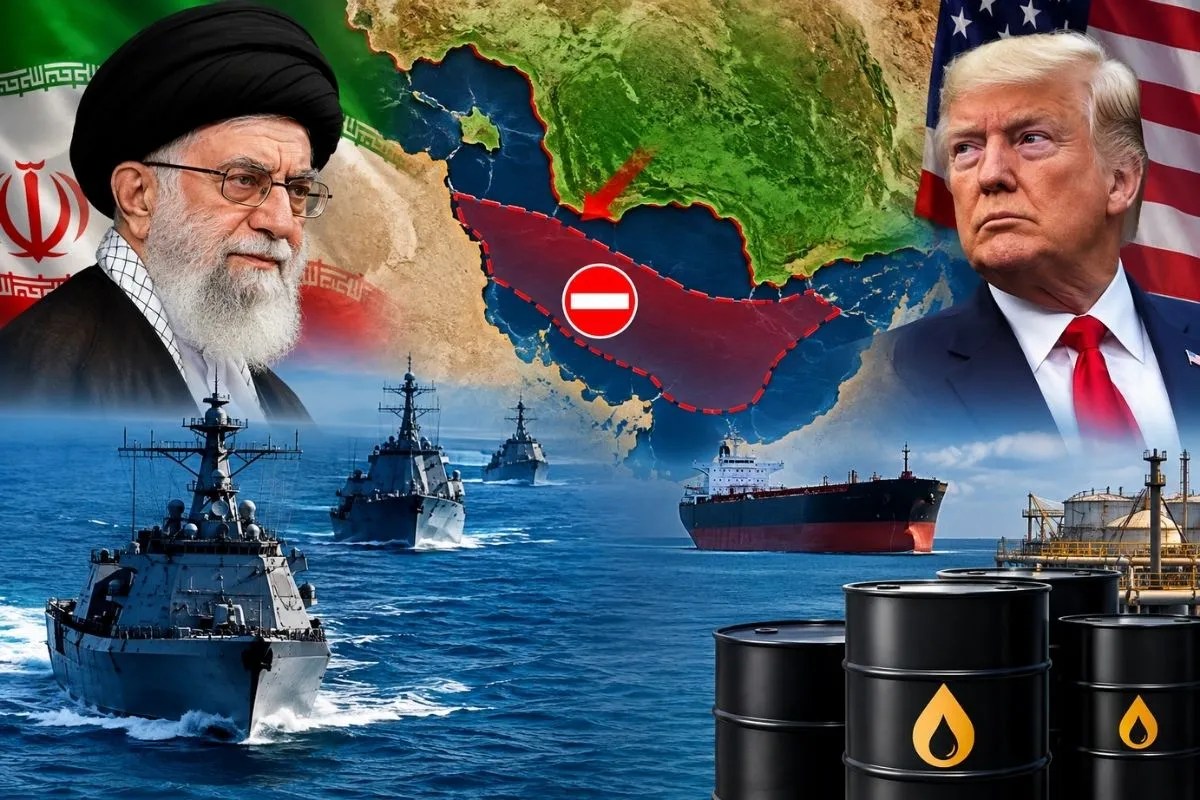
The Strait of Hormuz just turned into a high-tech battleground. Iran's Islamic Revolutionary Guard Corps (IRGC) Navy claims it intercepted and captured an advanced American unmanned underwater vehicle, known as a Dive-LD, during a complex operation at dawn. If true, Tehran just got its hands on some of the US military's most sensitive underwater reconnaissance gear.
Let's look at what actually happened, why this specific piece of hardware matters, and what it means for the ongoing conflict in West Asia.
Inside the Capture of the Dive-LD Submersible
According to state-backed media reports in Iran, IRGC naval units trapped the autonomous vessel right at the entrance of the strategic strait. The vessel in question is an uncrewed underwater vehicle (UUV) originally developed by Dive Technologies and acquired by defense tech firm Anduril Industries, before entering service with the US Navy's Unmanned Undersea Vehicle Group in 2025.
Measuring roughly 19 feet long and weighing close to three tons, the Dive-LD is built for heavy-duty autonomous operations. It features a 3D-printed exterior and can dive down to extreme depths for days at a time.
Why was it out there? American forces have routinely relied on these robotic submersibles to map seabeds, inspect underwater cables, and clear out naval mines. Since Iran blockaded the critical oil shipping lane earlier in the conflict, the US military has stepped up unmanned operations in the region to keep paths clear.
The Pentagon's Version Versus Iran's Claims
Washington has downplayed the severity of the loss. Initial statements from US officials suggested that an older model drone simply malfunctioned during a routine survey mission and drifted into Iranian reach without carrying any classified core systems.
Military analysts point out a catch here. Even if the Dive-LD isn't equipped with bleeding-edge classified radar, capturing a nearly intact, modern autonomous platform gives Iranian engineers a massive window into Western underwater navigation, sensor integration, and hull design. Reverse-engineering these components helps regional adversaries build better counter-measures against future drone deployments.
Tehran has leaned heavily into the propaganda win, labeling the captured hardware a "war trophy" and promising detailed footage of the recovery.
Why the Strait of Hormuz Remains a Chokepoint
You can't understand this incident without looking at the bigger picture. Around a fifth of the world's petroleum and liquefied natural gas passes through this narrow waterway. With Iran enforcing a strict blockade and the US responding with counter-blockades on Iranian ports, every square mile of the Persian Gulf is heavily militarized.
Unmanned tech was supposed to keep sailors out of harm's way. Instead, deploying multi-million-dollar autonomous systems into a contested combat zone means they become prime targets for hostile capture.
Expect both sides to double down. The US Navy will likely alter its subsurface deployment tactics to prevent further tech leaks, while the IRGC will use this trophy to bolster its domestic standing and naval deterrence claims. Watch how close-quarter maritime patrols escalate over the coming weeks, because the underwater war in the Gulf has just entered a sharper phase.