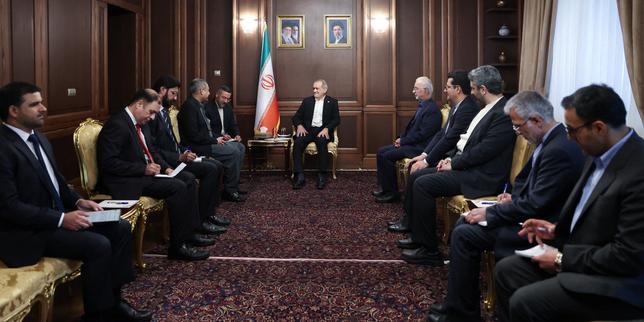
The Iranian presidency just signaled that all options remain on the table for international negotiations. It sounds like classic diplomatic theater. But when you look at the escalating tensions across the Middle East, this statement isn't just routine rhetoric. It is a calculated strategic stance. Tehran is trying to balance domestic economic pressure with geopolitical survival.
Understanding what Iran actually wants requires cutting through the noise of state-controlled media. The current geopolitical standoff involves multiple proxy fronts, shifting regional alliances, and a looming deadline on economic sanctions. Tehran's latest diplomatic overture happens because the old strategy of pure defiance is hitting a wall. You might also find this similar story useful: The Anatomy of Sovereign Accountability: A Brutal Breakdown of the Raúl Castro Indictment.
Diplomacy in a war zone is messy. When a state says every option is open, they usually mean they're feeling the squeeze.
The Reality Behind the Iranian Diplomatic Overture
The official line from Tehran focuses on flexibility. Iranian officials want the world to believe they are acting from a position of strength and strategic patience. Analysts from organizations like the International Crisis Group point out that this flexibility is born out of necessity. As highlighted in recent coverage by Al Jazeera, the results are worth noting.
Sanctions have crippled the Iranian economy. Inflation continues to erode the purchasing power of ordinary citizens. Black market currency rates tell a much grimmer story than official government statistics. Tehran needs sanctions relief, and they need it fast.
The strategy relies on strategic ambiguity. By refusing to close any door, Iran keeps Washington, Brussels, and regional rivals guessing. Will they fast-track their nuclear program? Will they rein in regional proxies? Or will they sit down for a grand bargain? The ambiguity is the point. It prevents adversaries from forming a unified, predictable counter-strategy.
What Most People Get Wrong About Middle East Negotiations
Western commentators often make the mistake of viewing Iran as a monolith. They assume the supreme leader, the presidency, and the Islamic Revolutionary Guard Corps always march to the same beat. They don't.
Internal political rivalries shape Iranian foreign policy just as much as external pressures. The presidency often acts as the public, diplomatic face aimed at reassuring international markets and dangling carrots to European diplomats. Meanwhile, the security apparatus manages the hard power on the ground.
- The Proxy Trap: Western diplomats frequently demand that Iran completely sever ties with its regional network as a prerequisite for talks. This misses the mark. These alliances are Tehran's primary defense doctrine. They won't trade them away for vague promises of economic cooperation.
- The Nuclear Leverage: The nuclear program isn't just a weapons project. It is a massive diplomatic bargaining chip. Tehran scales enrichment levels up or down based on the temperature of international talks.
Relying purely on military deterrence has historical limitations. Decades of economic isolation haven't forced a regime collapse. Instead, isolation pushed Tehran to build a self-reliant defense industry and deepen ties with Beijing and Moscow.
The Shifting Alliances Redefining the Region
The current diplomatic landscape looks nothing like it did a decade ago. The diplomatic normalization between Saudi Arabia and Iran, brokered by China, fundamentally altered regional dynamics. Gulf states are no longer interested in greenlighting an all-out military conflict that would inevitably destroy their own energy infrastructure.
Regional Stances on Diplomatic Renewal:
- European Union: Pushing for restricted dialogue focused purely on nuclear non-proliferation.
- Gulf States: Prioritizing regional stability and economic diversification over ideological conflict.
- United States: Maintaining heavy sanctions while keeping quiet intelligence channels functional.
This shifting dynamic gives Tehran more room to maneuver. They know that Washington's traditional allies in the region are cautious about an uncontrolled escalation. Therefore, when Iran talks about keeping options open, they are directly addressing regional neighbors. They want to signal that cooperation yields better security outcomes than confrontation.
De-escalation Requires Realistic Assessment
Major breakthroughs won't happen overnight. The trust deficit between the primary actors is too wide. The path forward requires incremental, verifiable steps rather than an unrealistic comprehensive treaty.
If you are tracking these developments, stop looking for a grand signing ceremony. Watch the specific, quiet metrics instead. Look at regional oil shipments, the specific enrichment percentages reported by the International Atomic Energy Agency, and the frequency of unannounced diplomatic trips between Gulf capitals. These moving pieces tell you exactly where the negotiations are heading long before an official press release hits the wire.