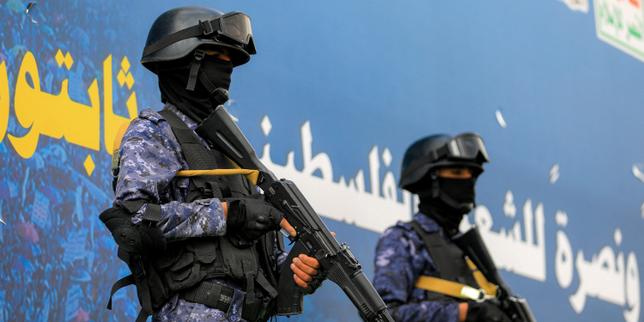
The Middle East doesn't lack for flashpoints, but the cross-border missile exchanges between Yemen's Houthi movement and Saudi Arabia highlight a persistent geopolitical fiction. When air defense systems light up the night sky over western Saudi cities like Taif and Yanbu, intercepting incoming ballistic threats, Tehran is quick to step away from the microphone. Official denials from Iranian leadership claim that the regime doesn't dictate strategy or behavior to the Houthi forces. Yet, looking at the trajectory of the hardware and the alignment of regional strategy, few outside observers buy the narrative of total Yemeni autonomy.
Unpacking the Missile Interceptions and Regional Fallout
Intercepting six ballistic missiles in a single wave isn't a routine Tuesday. The strikes aimed directly at critical infrastructure nodes in western Saudi Arabia, pushing oil markets and regional security analysts into familiar states of anxiety. Riyadh's coalition forces have gotten distressingly good at tracking and neutralizing these projectiles, but defense systems can't alter the underlying diplomatic stalemate. Every launched missile widens the gulf between Gulf Arab states and Tehran, turning proxy conflicts into high-stakes poker games where civilian infrastructure serves as the chips.
The official stance from Iranian officials relies on diplomatic plausible deniability. Tehran maintains that the Houthis act independently, driven entirely by domestic grievances within Yemen rather than external steering. But military experts who inspect the wreckage of these intercepted rockets point to guidance systems and propulsion tech that didn't materialize inside local Yemeni workshops. The supply chains lead straight back through regional smuggling routes, operating under the strategic umbrella of Iran’s broader axis of influence.
Why Tehran’s Denials Fall Flat
If you look at how modern proxy warfare functions, direct command-and-control orders are rarely given over encrypted phone lines. Modern alignment works through shared ideology, military hardware transfers, and logistical backing. Tehran doesn't need to hand down daily marching orders for the alliance to yield strategic benefits for Iran's foreign policy.
When international pressure mounts over shipping disruptions in the Red Sea or missile debris recovered near energy facilities, Iran points to the autonomy of its regional partners. It's a convenient shield. It lets Tehran project power across the Arabian Peninsula while keeping formal accountability at arm's length.
The Cost of Endless Escalation
The immediate danger isn't just the physical damage of an unintercepted warhead—it's the permanent state of friction it creates. Regional integration projects, economic diversification efforts, and diplomatic thaws across the Gulf all stall every time air raid sirens sound. Saudi Arabia has shifted toward diplomatic engagement in recent years, trying to lock in a durable exit from the Yemeni quagmire, but incidents like these test the limits of patience in Riyadh.
Until international pressure forces a genuine accounting of how advanced weaponry flows across borders, these nocturnal air defense displays will remain part of the regional normal. Tehran will keep issuing denials, the coalition will keep intercepting payloads, and the civilian population caught in the middle will continue bearing the cost of a war nobody seems willing to truly settle.
Take a closer look at the military logistics behind Gulf security updates, and don't expect a sudden diplomatic breakthrough until the cost of proxy sponsorship finally outweighs the strategic utility for Iran.