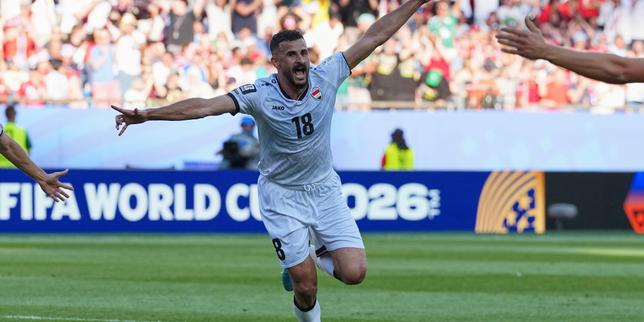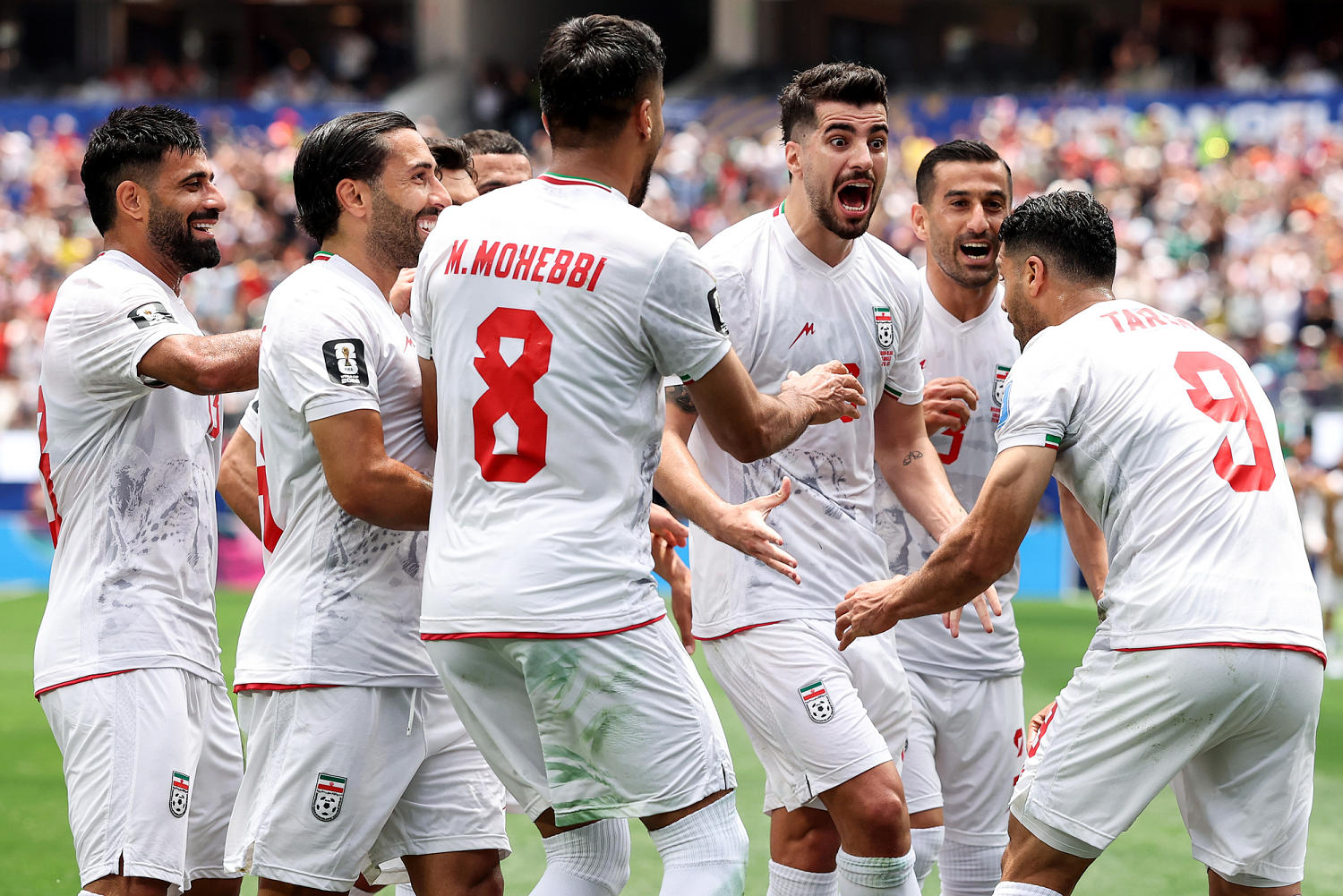
Football in Iran is not just a pastime. It's a national obsession that stops the entire country. When Team Melli plays, millions of pairs of eyes anchor to the screen. Yet, despite decades of producing some of Asia's finest football talent, Iran has never once stepped past the group stage at a World Cup. They have come agonisingly close. They have fought through political isolation, travel restrictions, cancelled friendlies, and internal federation drama. Every single time, they find themselves packing their bags early.
But things feel different right now. As the 2026 tournament kicks off across North America, the Iranian national team is staring down its greatest opportunity to finally shatter that glass ceiling. This isn't just about survival anymore. It's about respect.
The narrative surrounding Iranian football usually focuses entirely on geopolitical tension or logistical nightmares. Those issues are real, obviously. But focusing solely on the struggle misses the actual footballing evolution happening on the pitch. Iran isn't just a gritty, defensive team that relies on heart and spirit. They have genuine world-class quality in attack, a squad filled with European experience, and a burning desire to rewrite their sporting history.
The Group Stage Demon They Can't Seem to Shake
To understand why making the knockout round matters so much, you have to look at the historical scars. Iran has qualified for the World Cup six times before this. Six attempts, six exits in the opening round.
Think back to 2014 in Brazil. Under Carlos Queiroz, Iran played a disciplined, ultra-defensive system that nearly shocked the world. They held Lionel Messi and Argentina to a scoreless deadlock until the 91st minute. Then, a moment of pure magic from Messi broke Iranian hearts. In 2018, they beat Morocco and drew with Cristiano Ronaldo's Portugal, missing out on the knockout rounds by a single point. In 2022, a crushing loss to the United States ended another campaign that had promised so much.
It is a repetitive, painful cycle. The team plays with immense pride, earns the respect of global fans, and still goes home before the real party starts.
The expanded 48-team format for the 2026 tournament changes the math completely. With more teams and an added round of 32, the path forward looks different. The margin for error is still razor-thin, but the structural barrier has shifted. For Iran, failing to progress this time around won't just be bad luck. It will be seen as a massive failure.
Firepower That Demands Respect Across the Globe
For years, critics dismissed Iran as a side that simply parked the bus. They would defend with eleven men behind the ball and hope for a lucky counter-attack. That reputation is outdated. The current iteration of Team Melli possesses an attacking frontline that can trouble any defense on earth.
Mehdi Taremi has spent years proving his elite credentials in Europe, leading the line for Porto and making waves in the Champions League before his high-profile move to Inter Milan. He isn't just a goalscorer. Taremi is a brilliant creator who links play, wins penalties, and torments center-backs with his physical presence.
Then there's Sardar Azmoun. He has consistently delivered for the national team, boasting one of the best international goal-to-game ratios in Asian football history. When you pair them with technical wingers like Alireza Jahanbakhsh, you don't have a team that needs to hide in its own penalty box.
Western pundits often underestimate Asian football. They look at names on paper and assume European or South American sides will walk all over them. That's a lazy perspective. This Iranian core has played at the absolute highest level of club football. They don't get intimidated by big stadiums or famous opponents anymore.
Overcoming the Chaos Off the Pitch
You can't talk about Iranian football without addressing the massive hurdles the team faces before they even step onto the grass. The Iranian Football Federation has historically been plagued by financial constraints and administrative mismanagement.
Sanctions make it incredibly difficult for the federation to receive funds or arrange international friendlies. While European powerhouses play warm-up matches against top-tier opposition, Iran often struggles to find willing partners. Sometimes they are forced to play hurried games against club teams or lower-ranked nations just to get some minutes together.
Imagine trying to prepare for a World Cup when your training camps get cancelled, your gear sponsors face shipping issues, and your manager's contract situation is a constant soap opera. It sounds impossible. Yet, this chaotic environment has created a unique resilience within the squad.
The players don't use these obstacles as an excuse. Instead, the shared adversity seems to bind them together. They play with a distinct chip on their shoulder. They know they represent a population looking for joy amidst difficult everyday realities. That emotional weight can crush some athletes, but for Team Melli, it serves as fuel.
Tactical Flexibility Over Rigid Defense
The old blueprint under Carlos Queiroz was predictable but effective. It was all about a low block, tight defensive lines, and suffering without the ball. It worked well enough to keep scores respectable, but it rarely gave the team enough attacking impetus to win the games that mattered most.
The modern tactical approach is far more balanced. The coaching staff has realized that shielding the defense for 90 minutes eventually leads to a breakdown. Iran now looks to press higher up the pitch when the situation allows. They use their physical dominance in midfield to win second balls and transition rapidly into attack.
The midfield engine room relies on players who can disrupt the opponent's rhythm and immediately trigger a counter-offensive. This shift from passive defending to active disruption makes them far more dangerous. They aren't just waiting to concede. They are forcing the issue.
The biggest question mark remains the depth of the defensive line. While the attack is lethal, the central defense has occasionally looked vulnerable against elite, pacey wingers. If Iran wants to survive the group, the back four must match the intensity of the frontline.
The Mental Shift From Underdogs to Contenders
To make history, Iran must shed the comfortable skin of the plucky underdog. It is easy to receive praise when you lose 1-0 to a giant while fighting bravely. It takes a completely different mindset to walk onto the pitch expecting to dominate and win.
We saw flashes of this new mentality during recent AFC Asian Cup campaigns. Iran showed they could dictate the tempo against tough regional rivals like Japan and South Korea. Bringing that swagger to the global stage is the final piece of the puzzle.
The senior players know this is their final ride. Taremi, Azmoun, and Jahanbakhsh are in their prime or entering the twilight of their international careers. They won't get another shot at this. This sense of urgency filters down to the younger prospects in the squad. There is no time to wait for the next generation. The time is right now.
What Needs to Happen Next
Talk is cheap. Dreams don't buy points in a tournament setting. If Iran wants to break the curse and secure that elusive knockout round spot, the preparation must be flawless from this point forward.
First, the tactical setup in the opening group match is critical. Historically, Iran starts slowly or too conservatively, leaving themselves chasing the tournament. A bold, assertive start in game one changes the entire dynamic of the group.
Second, managing player fitness in the grueling summer heat will decide their fate. The squad must rely on its depth, meaning fringe players need to be ready to step in without a drop in quality.
Stop looking at Iran as a team just happy to be at the tournament. Watch the way they press, look at the quality of their strikers, and understand the depth of emotion driving them forward. The world is about to find out exactly what this team is capable of when the pressure is at its absolute peak.