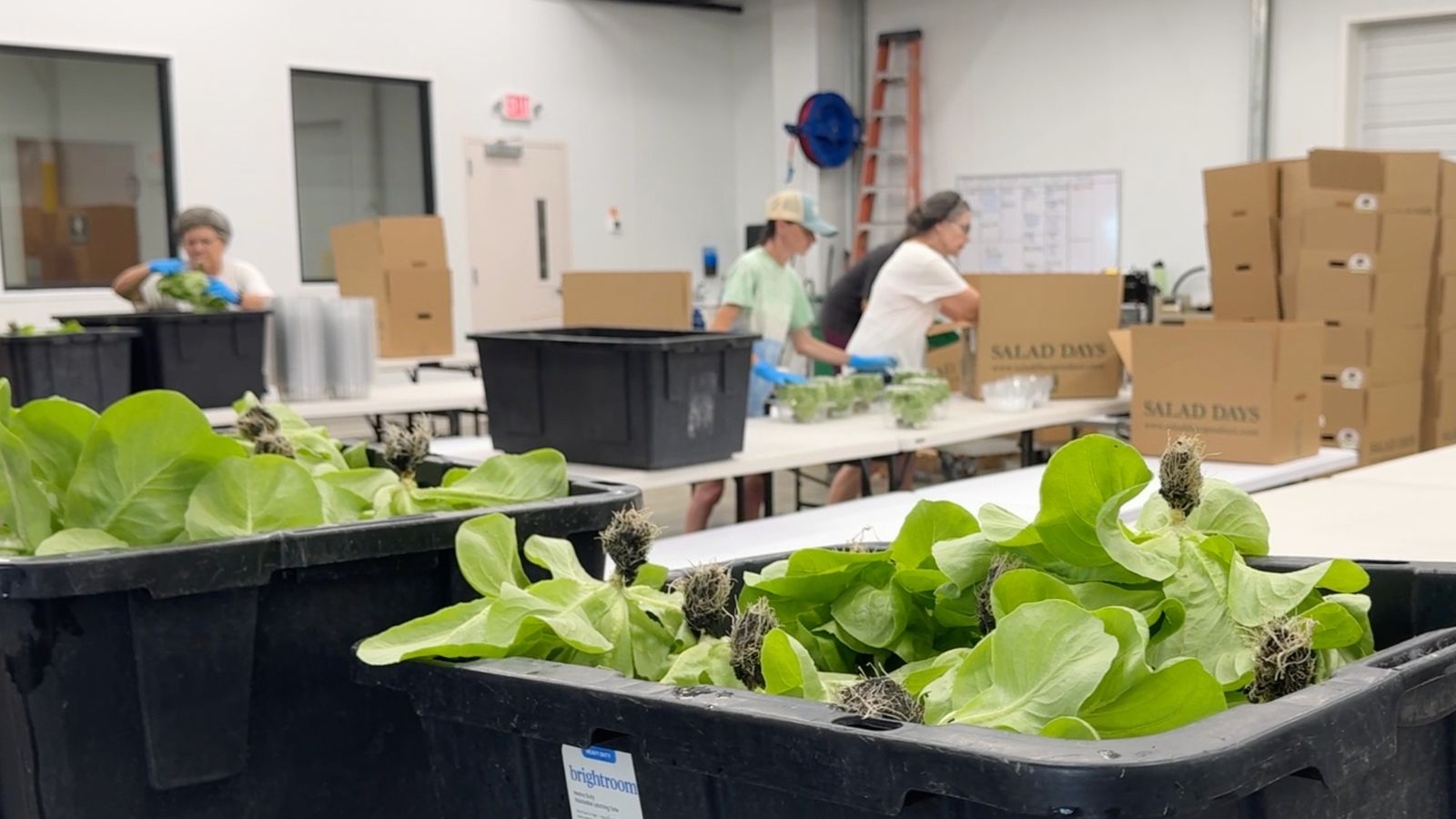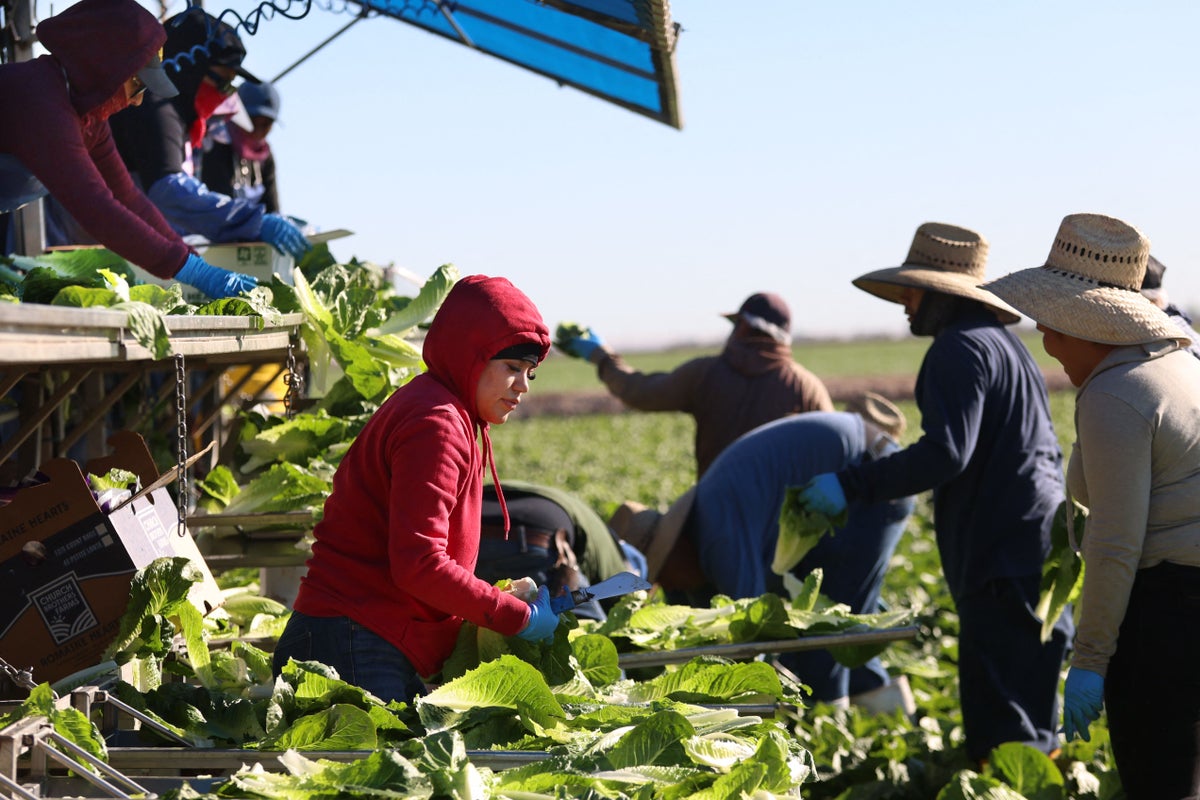
The kitchen was quiet except for the steady hum of the refrigerator and the rhythmic thud of a chef's knife against a wooden board. On the counter sat a bright green head of imported produce, fresh, damp, and seemingly harmless.
Most people never think about the invisible geography of their food. We assume safety. We trust the supply chain. We purchase ingredients with the simple expectation that dinner will nourish our bodies, not betray them. But beneath the crisp exterior of fresh greens and everyday vegetables, microscopic passengers occasionally hitch a ride across oceans, borders, and state lines. Expanding on this theme, you can also read: Transcontinental Endurance Quantified The Mechanics of Generational Cross Country Cycling.
Cyclospora is not a household name until it enters your home.
It starts quietly. A mild fatigue. A strange rumbling in the abdomen that gets dismissed as a bad lunch or morning stress. Within days, however, the reality shifts. What begins as discomfort transforms into a relentless, exhausting ordeal. Medical professionals call it cyclosporiasis, a gastrointestinal infection caused by a microscopic single-celled parasite known as Cyclospora cayetanensis. Observers at Mayo Clinic have shared their thoughts on this situation.
The numbers recently released out of Michigan tell a sobering story. Health officials confirmed the first two United States deaths linked to an aggressive cyclosporiasis outbreak tied to contaminated food imports. Two lives cut short by a tiny organism that most people cannot even pronounce.
Consider what happens next when an outbreak hits. Epidemiologists scramble. Phone lines hum between state health departments and the Centers for Disease Control and Prevention. Investigators trace receipts, scan supply chain manifests, and ask patients to recall every single bite of food consumed over the past two weeks. It is detective work of the most microscopic kind.
Yet, statistics rarely capture the human toll. They do not show the sheer exhaustion of chronic gastrointestinal distress, the dehydration that lands otherwise healthy adults in emergency rooms, or the sudden, terrifying realization that something as fundamental as eating fresh vegetables has become a vector for illness.
To understand why outbreaks like this happen, we have to look far beyond the local grocery store aisle.
Imagine water moving across a distant farm in a tropical region. If that water is tainted with microscopic traces of human waste containing Cyclospora oocysts, the parasite settles onto the crops. Wash the produce casually under a kitchen tap, and nothing changes. Standard chlorine rinses often fail to dislodge or destroy these resilient parasites. They are built to survive harsh environments, waiting patiently until they find a human host.
Unlike bacteria such as E. coli or Salmonella, which can multiply rapidly under the right temperature conditions, Cyclospora requires time outside a host to become infectious. It cannot spread directly from person to person through casual contact. You have to ingest it directly from contaminated food or water. That quirk of biology makes tracking down the exact source feel like searching for a single grain of sand on a vast beach.
The recent fatalities in Michigan serve as a harsh wake-up call for public health agencies and consumers alike. For years, cyclosporiasis was viewed primarily as a traveler's disease, something picked up while visiting endemic regions abroad. But as global food supply chains expand—bringing fresh berries, basil, cilantro, and salad mixes from all corners of the earth to our local shelves year-round—pathogens travel just as easily as the commodities do.
When the news broke about the Michigan deaths, the immediate public reaction was predictable. Fear. Confusion. A sudden reluctance to touch anything green on the plate.
Panic, however, is a poor strategy.
Knowledge is far more effective. Recognizing the symptoms of cyclosporiasis is the first line of defense. Prolonged watery diarrhea, cramping, bloating, nausea, extreme fatigue, and occasional low-grade fever can persist for weeks or even months if left untreated. Unlike viral stomach bugs that clear up in forty-eight hours, Cyclospora digs in its heels. It demands specific medical intervention, usually a course of trimethoprim-sulfamethoxazole, commonly known as Bactrim.
If you suspect you have been infected, waiting it out is rarely an option. Dehydration creeps in silently, shifting the body out of balance.
Public health officials emphasize that prevention at the consumer level is notoriously difficult because standard washing techniques do not guarantee safety against this specific parasite. Cooking destroys it, but raw produce is eaten raw for a reason. We want the crunch, the vitamins, the untaltered freshness.
This creates a modern paradox. We are told to eat more fresh fruits and vegetables to maintain a healthy lifestyle, yet our globalized food network occasionally introduces vectors of severe illness into our kitchens.
The investigation in Michigan remains ongoing, with federal and state agencies working to pinpoint the exact imported food vehicle responsible for the tragedy. Names of specific distributors or farms will likely emerge, triggering recalls that clear shelves overnight. But by the time a recall happens, the window of exposure has often closed, leaving behind only the data points of those who fell ill.
We live in a world intricately connected by trade, where a meal on a Tuesday evening in Detroit might depend on soil tilled thousands of miles away weeks earlier. That connection brings incredible culinary variety to our tables, but it also demands a higher level of vigilance from regulatory bodies and a deeper awareness from all of us.
The next time you prep a salad or garnish a dish with fresh herbs, take a brief moment to look at the food in your hands. Appreciate the journey it took to get there. And remember that behind every health bulletin and food safety statistic lie real people navigating the fragile intersection of global commerce and human biology.
Stay aware. Listen to your body when something feels deeply wrong. And never underestimate the microscopic forces that quietly shape our daily lives.