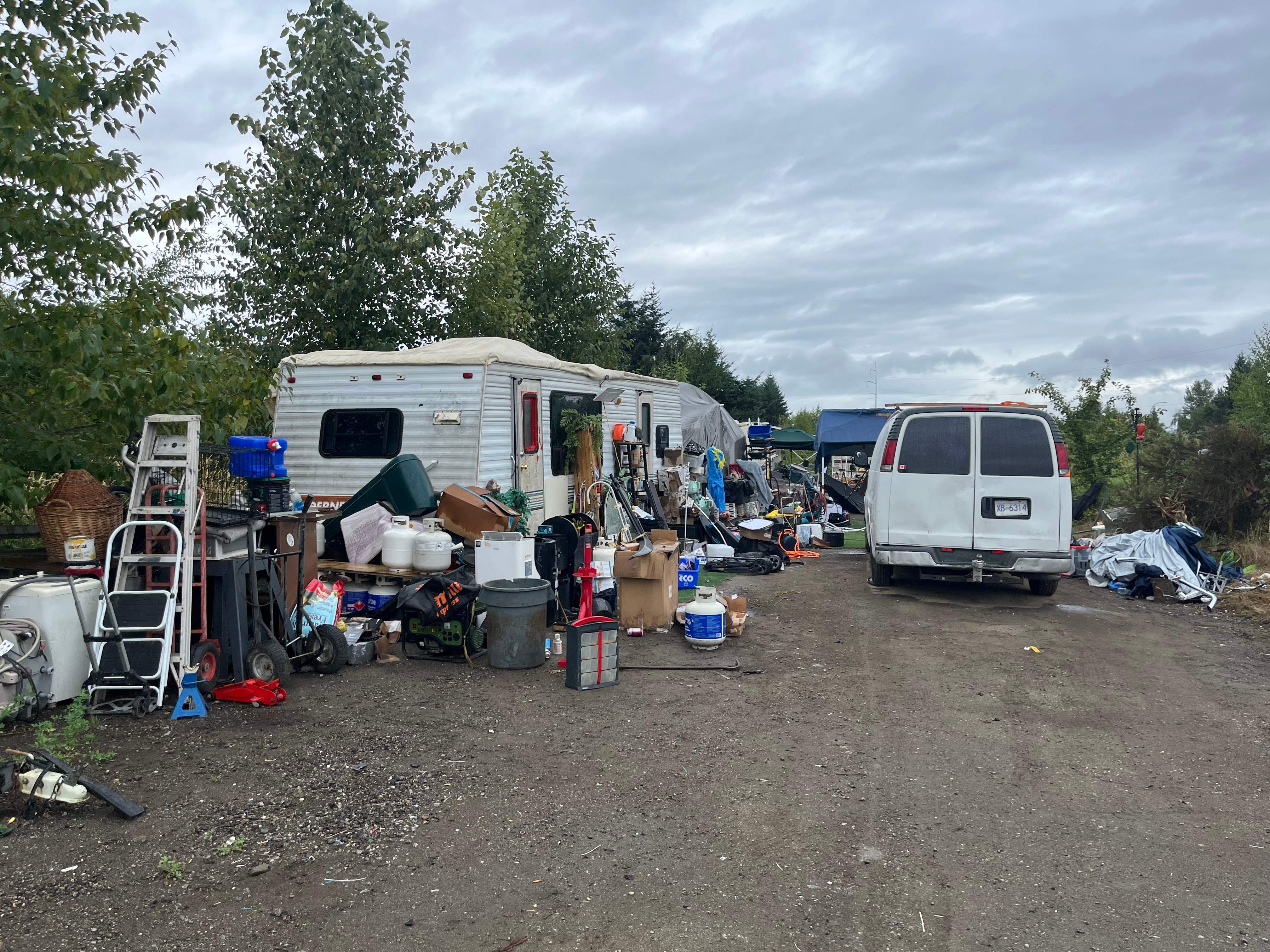
Dawn breaks cold over the asphalt of Richmond, casting long, bruised shadows across tents pitched near the highway shoulder.
To the passing commuter, they are a blur. A flash of blue tarp, a wisp of wood smoke, a sudden swerve to avoid eye contact. We have learned the art of looking away. We stare straight ahead at the dashboard, gripping the steering wheel, muttering about traffic, convincing ourselves that the city outside our windows belongs to a different reality.
It doesn't.
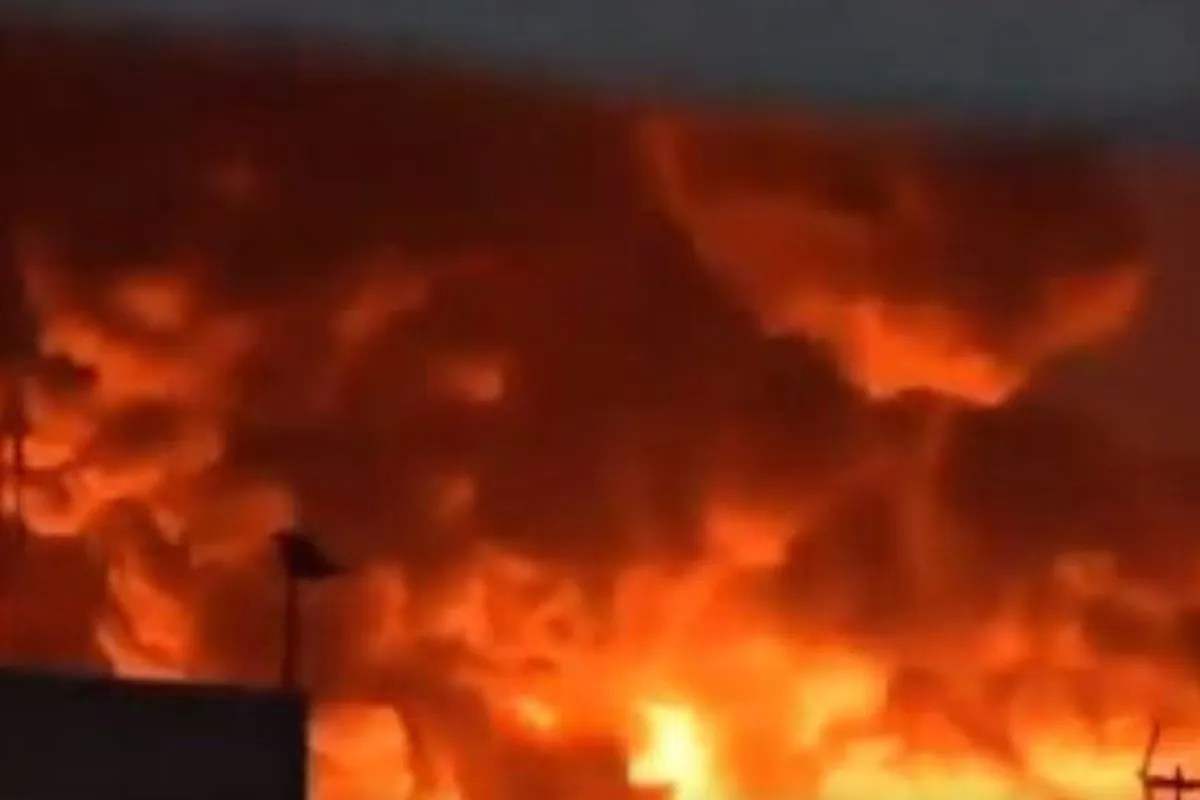
Right beneath those tattered tents, buried just feet below the dry dirt and discarded debris, lies a dormant giant. A high-pressure jet fuel pipeline slices through the earth, carrying thousands of gallons of volatile energy toward the bay. The people living above it do not know it is there. The drivers speeding past do not know it is either.
Safety is an illusion we construct out of distance.
The Anatomy of an Oversight
Consider Elena.
(Note: Elena is a composite persona built from municipal field reports and housing advocacy interviews, designed to represent the lived reality of chronic displacement.)
Elena wakes up with her joints aching from the damp East Bay air. She did not choose this patch of earth because of what lay beneath it. She chose it because the tall oleander bushes blocked the biting wind from the north. She chose it because, for a few hours at least, the highway noise drowned out the sirens.
She has lived here for eight months. Every morning, she boils water on a small propane camp stove to make instant coffee. She strikes the match, watches the blue flame flicker, and sets her tin cup down.
She has never seen a warning sign. There is no orange marker staked into the weeds to tell her that a structural rupture could turn her temporary shelter into a crater.
The city council meetings tell a different story. In air-conditioned chambers miles away, bureaucrats look at aerial maps marked with red and yellow pins. They point to the cluster of encampments near the industrial corridors. They talk about zoning codes, environmental compliance, and municipal liability. They use words like hazard mitigation and rapid response.
Yet the red pins remain.
Why the Crisis Deepens
The housing shortage in the Bay Area is not a statistic. It is a slow-motion gravity pull that draws the most vulnerable closer and closer to the industrial margins. When rents outpace wages by hundreds of dollars a month, people fall. They fall out of spare bedrooms, then off couches, then out of cheap motels, until they hit the bare concrete.
And when they run out of concrete, they spill into the dangerous zones.
Railroad tracks. Drainage ditches. Flood channels.
And fuel pipelines.
Municipalities are caught in a paralyzed loop. Moving an encampment without offering permanent housing does not make the people vanish; it merely shifts them fifty yards down the block, closer to a high-voltage substation or another hidden hazard. The camps grow because the safety net has massive holes, and the human cost of that failure is accumulating faster than local budgets can track.
Living on the Edge
Walk this stretch of Richmond on a Tuesday afternoon. The smell of dust and stagnant water hangs heavy in the air. A stray dog scavenges near a pile of discarded cardboard.
A man named Marcus is sitting on a overturned plastic milk crate, trying to mend the sole of his work boot with duct tape. His hands are calloused, stained with grease from years of odd jobs he can no longer land.
"People think we want to live like this," Marcus says, his voice raspy from the exhaust fumes. "Like we picked this spot out of a catalog. You try finding a landlord who will look past a credit score that hit zero when your kidneys failed."
He points toward the rusted chain-link fence separating the camp from the industrial park. Beyond it, heavy tanker trucks rumble by, carrying the lifeblood of modern commerce.
"We are just trying to stay out of the way," he whispers. "Nobody wants to blow up. Nobody wants to be a headline."
That is the quiet tragedy of the Richmond camps. The concern from residents and city officials is entirely justified—a fuel pipeline leak or a spark near a major energy corridor poses a catastrophic risk to human life and regional infrastructure. But anger at the symptom does nothing to cure the disease.
The Breaking Point
We have built a society where the infrastructure of our comfort and the wreckage of our inequality occupy the exact same physical space. We pump jet fuel beneath the feet of people who cannot afford a roof, creating a ticking clock driven by economics and neglect.
The fire chief knows the risk. The utility workers know the risk. The people sleeping on top of the steel pipe feel the cold ground beneath them every single night, wondering if tomorrow will bring a social worker with a key or a bulldozer with a badge.
The earth does not care about our zoning laws. It only holds what we bury inside it, waiting for the pressure to change.
As the sun sets over Richmond, painting the industrial sky in shades of bruised purple and electric orange, the lights of the refinery flicker on in the distance. The traffic on the freeway thins to a steady, rhythmic hum. Down in the weeds, a single match is struck against the dark, and the water begins to boil.