Every time you scroll through a social media feed, stream a high-definition video, or ask an artificial intelligence to draft an email, a physical switch flips somewhere in the world. A hum intensifies. A cooling fan spins faster. We live our lives in the cloud, treating the internet as an ethereal, weightless dimension.
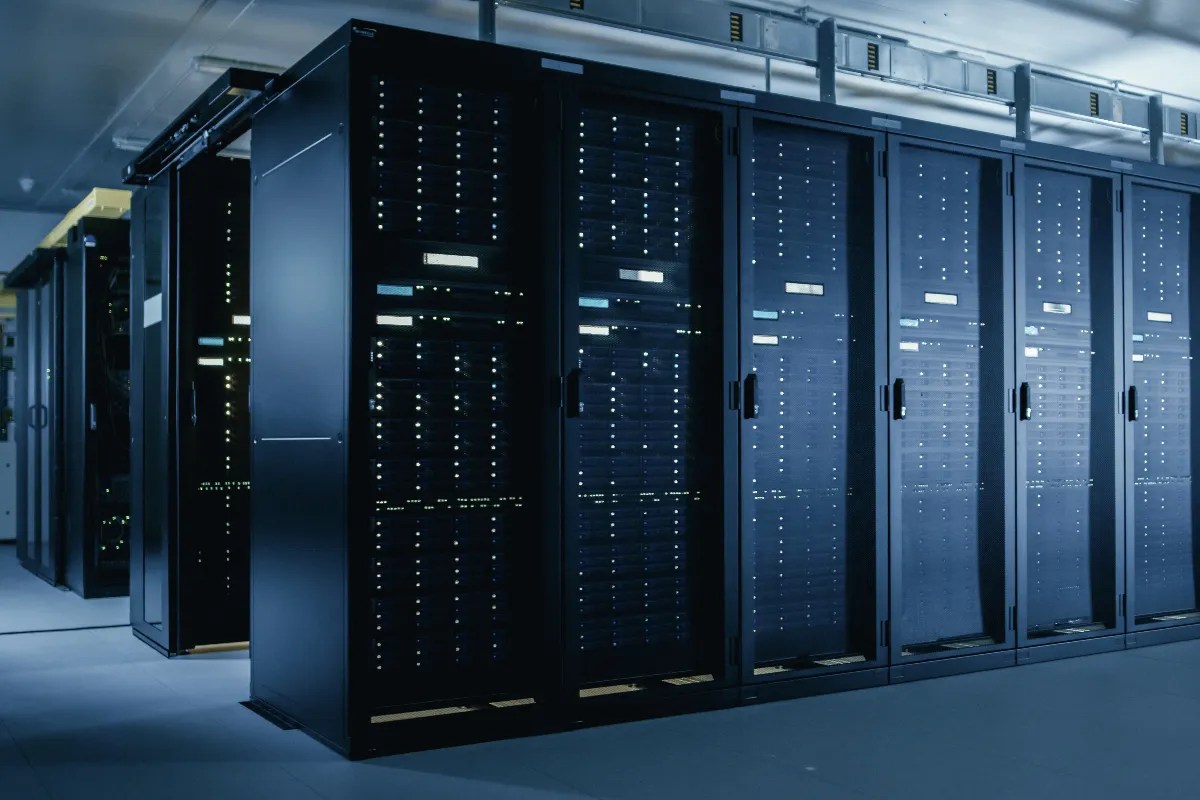
It is not. The internet is made of concrete, steel, and copper. It is made of data centers—sprawling, windowless fortresses that consume electricity at a scale that defies easy comprehension.
Right now, these fortresses are running out of power.
The digital infrastructure that underpins modern civilization is facing an acute energy crunch. To keep the lights on and the servers running, the technology sector is quietly pivoting toward an unexpected, controversial savior: natural gas. This shift represents a massive recalculation of how we power our digital future, forcing a confrontation between our insatiable demand for data and the reality of physical resource constraints.
The Ghost in the Machine
Consider a person named Aarav. He is a software engineer working from a quiet apartment, using cloud-based tools to build an app. To Aarav, his work is clean. It leaves no footprint. He hits 'save,' and his code vanishes into the digital ether.
But miles away, inside a massive data center complex, Aarav’s saving action translates into a microscopic surge of heat. Multiply Aarav by three billion people.
Data centers require two distinct streams of energy. First, they need electricity to power the silicon chips that process and store information. Second, they need an equal, if not greater, amount of energy to run the massive cooling systems that keep those chips from melting. If a data center loses power for even a fraction of a second, banking systems halt, supply chains freeze, and communication networks collapse.
For years, tech giants pledged to run these facilities entirely on renewable energy. Solar panels and wind turbines were built by the thousands. It was a beautiful promise.
The wind, however, does not always blow. The sun sets every night. Data centers, by contrast, cannot sleep. They demand a flat, unchanging, monumental baseline of power twenty-four hours a day, 365 days a year. As artificial intelligence applications expand, demanding exponentially more computational power than traditional search engines, the gap between renewable supply and data center demand is becoming a chasm.
The grid is buckling under the weight. In major technology hubs across the globe, local utility companies are warning that they can no longer guarantee uninterrupted service if new data centers keep plugging in. The digital expansion is hitting a hard ceiling made of power lines and transformers.
The Pivot to the Pipeline
Faced with a choice between slowing down progress or finding a continuous power source, the industry is making a pragmatic, quiet decision. They are turning to natural gas.
Instead of relying solely on the public electrical grid, a growing number of data center operators are planning to build their own on-site power plants. These are not small emergency generators. They are full-scale, industrial power generation facilities fueled by natural gas pipelines.
The logic is straightforward. Natural gas offers reliability. It can be burned on-demand, scaled up instantly when digital traffic spikes, and it does not depend on weather conditions. By generating power on-site, these facilities bypass the congested public grid entirely, ensuring their servers remain online even if the surrounding city plunges into darkness.
This shift presents a profound paradox. The very companies that have spent the last decade positioning themselves as leaders in environmental sustainability are now actively investing in fossil fuel infrastructure. It is a collision between corporate idealism and operational reality.
The Geography of Appetite
This hunger for power is reshaping geography and local economics. Regions that once competed for technology jobs by offering tax incentives are now evaluating suitors based on megawatt capacity.
In many areas, the sheer volume of electricity consumed by a single modern data center complex can equal the power demands of a medium-sized city. Local residents, who rarely see the inside of these heavily guarded buildings, are starting to notice the strain. Electric bills are rising because utilities must build new infrastructure to accommodate the influx of data tech.
The transition to natural gas power plants located directly next to server farms changes the equation. It shifts the burden of power generation from distant, centralized utilities directly into the backyards of technology corridors. The hum of the server is being joined by the roar of the turbine.
The Scaling Problem
We often misunderstand the nature of digital growth. We think of it as efficient. We are told that algorithms are getting smarter, that code is getting leaner, and that chips are becoming more energy-efficient every year. All of this is true.
But efficiency cannot outrun volume.
The efficiency gains of individual chips are being utterly overwhelmed by the sheer scale of global data generation. Every high-resolution photo backed up to the cloud, every hour of security camera footage stored indefinitely, and every prompt generated by a large language model requires physical space and physical power.
Think of it as a water system. We have designed incredibly efficient faucets that use less water per minute, but we have opened billions of new faucets simultaneously. The reservoir is running dry.
Natural gas is being positioned as a bridge—a temporary measure to sustain the digital economy while long-term solutions, like small modular nuclear reactors or advanced geothermal energy, are developed and commercialized. But infrastructure has a habit of longevity. A pipeline laid today, or a gas turbine installed next to a server farm tomorrow, is built to operate for decades. The temporary bridge may well become the permanent highway.
The Friction of Reality
There is a fundamental tension at the heart of our modern relationship with technology. We demand immediacy. We expect instant gratification from our devices, seamless streaming, and flawless connectivity. We treat these services as public utilities, as invisible and essential as oxygen.
Yet, we remain largely disconnected from the physical costs of those expectations. The internet does not exist in a vacuum. It is anchored to the earth, bound by the laws of thermodynamics and the limits of our energy grids.
The current rush to secure natural gas supplies for data centers is a warning sign. It is an acknowledgment that our digital ambitions are outpacing our physical infrastructure. We are building a dazzling, complex digital superstructure on top of an aging, fragile physical foundation.
As the hum of the data centers grows louder, the question shifts from how much data we can process to how much power we are willing to burn to keep it moving. The invisible world behind our screens is demanding a very visible price, and the bill is coming due.