The glow of a screen at three in the morning does not look like a threat. In millions of homes across the globe, it looks like safety. It looks like a glowing rectangle of independence, a quiet window into a world where a child can finally breathe away from the watchful, often heavy expectations of parents and teachers. To an adult, a closed bedroom door is a boundary. To a child growing up today, the internet is not a place they go. It is an environment they inhabit. It is the air they breathe.
And that air is poisoned.
Numbers on a spreadsheet rarely bleed. We are told that UNICEF estimates twenty million children suffered online sexual abuse in a single year. Twenty million. Say the number out loud. It sounds like a statistic from a distant war or an abstract macro-economic failure. It rolls off the tongue with a terrible, sterile smoothness.
Stop.
Twenty million is not a statistic. Twenty million is a row of classrooms stretching across continents, every single seat filled by a child whose trust was traded for a string of encrypted data. It is an entire generation quietly navigating a digital wilderness designed by architects who care very little about who survives the night.
I remember what it felt like to be fourteen and desperate to belong. That hunger is a physical ache. You want someone to look at you, to validate your existence, to tell you that you matter in the grand, confusing machinery of the world. In my youth, that vulnerability played out in schoolyards and whispered phone calls behind the kitchen wall. Today, that exact same biological imperative—the raw, beautiful, terrifying need for connection—is harvested by algorithms that prioritize engagement above all else.
Consider what happens next: a child posts a photo, seeking a crumb of approval. Within seconds, a stranger slides into the direct messages.
This is where the anatomy of exploitation begins. It never starts with violence. It starts with kindness. It starts with a compliment that feels like salvation to a kid who feels invisible at school.
The Architecture of Betrayal
We have built a digital infrastructure that treats children as data points to be monetized, and then we act shocked when predators treat them as commodities to be consumed.
To understand how twenty million children become victims, we have to look past the sensationalized headlines of shadowy hacker syndicates and look directly at the consumer-grade convenience we invite into our living rooms every day. End-to-end encryption, vanishing messages, algorithmic recommendation feeds designed to maximize screen time—these are the tools of modern connection. They are also the exact mechanisms that allow industrial-scale abuse to operate in plain sight, shielded by corporate privacy policies and legal loopholes.
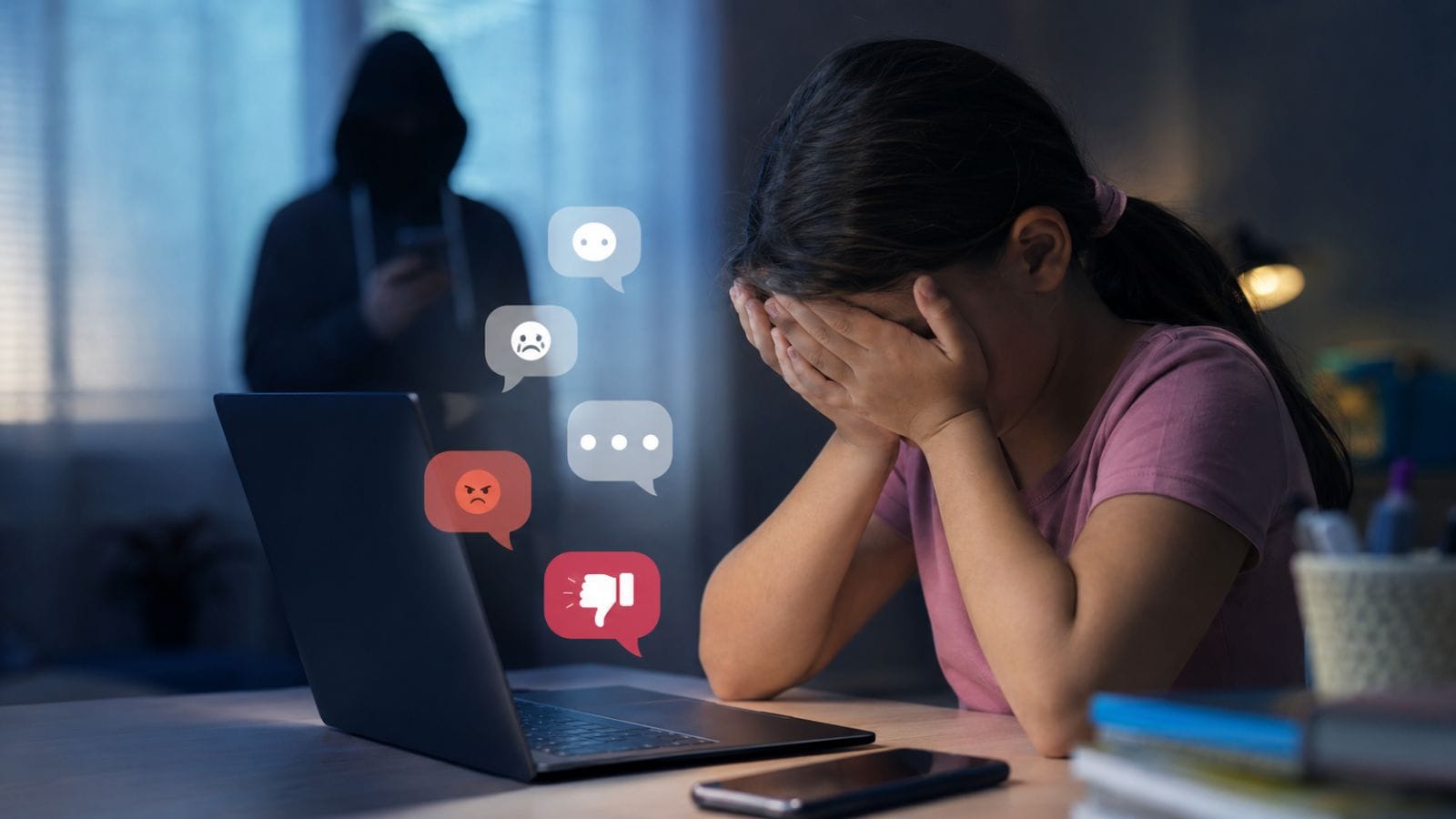
Let us be entirely clear, using a hypothetical scenario to ground the reality: A twelve-year-old creates an account on a popular gaming platform. The child thinks they are chatting with another fan of a pixelated universe. Over weeks, the conversation migrates to a private messaging app. The language shifts subtly. The predator becomes a confidant. The child is asked to share an image to prove their trust.
Then comes the pivot. The trap snaps shut. The image is no longer a private exchange; it is currency, leverage, a digital chain wrapped tightly around a child's throat.
The child does not tell a parent. Why? Because the child has been conditioned to fear the ultimate punishment: the confiscation of the screen, the shame of exposure, the disappointed gaze of the people who love them most. The isolation is complete. The child is standing in a crowded digital room, screaming at the top of their lungs, entirely alone.
We must admit something uncomfortable here. As adults, we are failing. We are failing because we built a world we do not understand, and we handed the keys to kids who are biologically unequipped to handle its darkest corners. We talk about digital literacy as if teaching a child how to block a user is the same as teaching them how to swim in a hurricane. It is not. It is a cruel joke.
The Cost of Silence
The psychological fallout of online exploitation does not vanish when the laptop lid closes. It alters the architecture of a developing brain.
Survivors of online abuse carry a specific kind of trauma. It is the trauma of omnipresent surveillance combined with profound isolation. The violation happened in their bedroom, in their hands, on the very device their parents bought them for homework. Home ceases to be a sanctuary. Every chime of a notification becomes a physical jolt of adrenaline. Trust becomes an endangered emotion.
When UNICEF releases numbers like twenty million, we tend to look for someone to blame. We point fingers at tech executives sitting in glass towers in Silicon Valley. We blame law enforcement for moving too slowly across jurisdictional borders. We even, unfairly, blame parents who are simply trying to survive the exhausting marathon of modern working life.
The blame belongs everywhere, which means it belongs nowhere unless we decide to own it collectively.
Technology companies continue to prioritize user growth and frictionless engagement over basic human safety. They build systems that make abuse easy to hide and nearly impossible to trace efficiently without compromising fundamental rights—or so the corporate narrative goes. But privacy was never meant to be a shield for predators. When convenience trumps protection, we have lost the plot entirely.
Look at the way we talk about the internet. We treat it as an inevitable force of nature, like weather or gravity. We didn't invent gravity, but we figured out how to build bridges that don't collapse under the weight of human traffic. We engineered safety into cars with seatbelts and airbags, not because people demanded perfection, but because society agreed that children dying on the pavement was unacceptable.
Why is a child's digital life treated as a wild west where anything goes?
The Threshold of Change
We stand at a strange, heavy threshold in our cultural relationship with technology. The era of innocent optimism about the internet is dead. We know what lives in the dark corners of the networks we built. We have the data. We have the stories. We have the broken lives of twenty million children whispering from behind locked screens.
Ignorance is no longer an alibi.
To change the trajectory, we have to dismantle the myth that online safety is an impossible problem. It is not a technical impossibility; it is a failure of political and corporate will. It requires treating platforms that fail to protect minors with the same regulatory severity we apply to companies that poison our water or sell unsafe cars. It requires redesigning the digital environment so that predatory behavior trips alarms before it destroys a life.
More than that, it requires a cultural shift in how we talk to our children. We have to move away from reactive panic—taking away phones after the damage is done—and move toward radical, empathetic presence. We have to teach them that their worth cannot be measured in algorithmic metrics, and that no mistake, no matter how terrifyingly exploited by a stranger, is too big to bring into the light.
The screen goes dark. Your own reflection stares back at you from the black glass. Somewhere out there in the quiet hum of the global network, a notification pings, and a child looks down, hoping for a friend, risking everything in the dark.