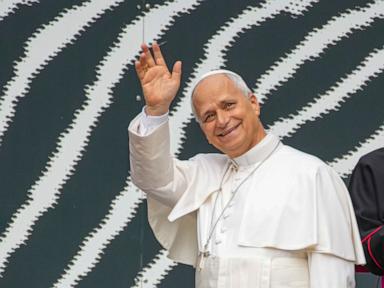
Organizational governance models face an acute stress-test when financial stabilization mandates conflict with internal labor retention. Recent administrative maneuvers at the Holy See highlight this friction. By issuing a papal decree repealing prior salary reductions, the central administration reversed austerity measures enacted under prior emergency directives. Dissecting this structural pivot requires evaluating the fiscal mechanisms of sovereign entities, the elasticity of labor costs within unique administrative frameworks, and the signaling value of executive compensation corrections.
The Mechanics of Sovereign Austerity and Budgetary Correction
To understand the recent policy shift, one must analyze the baseline cost structure of the Vatican administration. Sovereign micro-states possess limited revenue diversification. Traditional corporate levers such as equity issuance, aggressive debt restructuring, or commercial asset liquidation are constrained by legal, moral, and canonical boundaries. When macroeconomic shocks or structural deficits occur, administrative leadership typically faces two primary levers: capital expenditure freezes or operational expenditure compression.
The 2021 wage cuts implemented under Pope Francis represented a classic operational compression strategy. Facing pandemic-induced revenue contractions across museums, tourism, and investment portfolios, the Holy See targeted labor overhead. While immediate cash-flow relief is achieved through mandatory compensation reductions, this approach introduces long-term organizational costs:
- Human Capital Attrition: Highly skilled administrative, legal, and financial professionals face compressed market-adjusted compensation, increasing voluntary turnover toward private sector alternatives.
- Moral Hazard and Motivation Decay: Institutional loyalty can absorb short-term crisis management, but prolonged wage suppression degrades discretionary effort and engagement.
- Asymmetric Impact: Flat-percentage or targeted salary reductions disproportionately affect lower- and middle-tier administrative staff compared to senior clergy whose housing and living expenses are partially or fully absorbed by the institution.
The Cost-Benefit Matrix of Restoring Labor Parity
When Pope Leo XIV issued the decree reversing these cuts upon his 71st birthday, the decision functioned as an institutional calibration rather than a mere discretionary gift. From an operational standpoint, the reversal targets the recovery of institutional trust and the mitigation of retention risks.
Evaluating the net fiscal impact involves weighing the increased payroll expenditure against the hidden costs of disaffected personnel. In complex bureaucracies like the Roman Curia and affiliated basilicas—including the Rome Vicariate and administrative institutes for St. Peter’s Basilica—process efficiency depends heavily on institutional memory and procedural continuity. High turnover among mid-level clerks and archivists introduces operational bottlenecks that outweigh short-term salary savings.
Signaling Theory and Administrative Leadership
Executive actions in sovereign entities carry heavy signaling weight. When leadership marks a personal milestone by distributing financial relief rather than consolidating personal authority, it alters the internal bargaining environment.
- Alignment of Incentives: Re-establishing baseline compensation signals that crisis-era emergency protocols have expired, moving the organization from triage mode to sustainable operation.
- Downward Pressure on Friction: Administrative reform requires internal cooperation. Restoring baseline wages removes a primary grievance vector that otherwise obstructs structural modernization initiatives.
- External Credibility: Donors, international financial auditors, and external stakeholders monitor internal labor relations as a proxy for institutional health. Resolving internal disputes stabilizes the governance baseline.
Strategic Allocation Moving Forward
The reversal of austerity measures signals a transition in sovereign fiscal management. Rather than relying on blunt labor compression, long-term financial equilibrium for the Holy See necessitates structural asset optimization, transparent fund management, and diversified revenue streams that do not rely exclusively on discretionary contributions or volatile tourism metrics. The focus now shifts toward auditing non-labor expenditures and maximizing the yield of sovereign real estate and financial holdings to sustain the restored payroll baseline without triggering future deficits.


