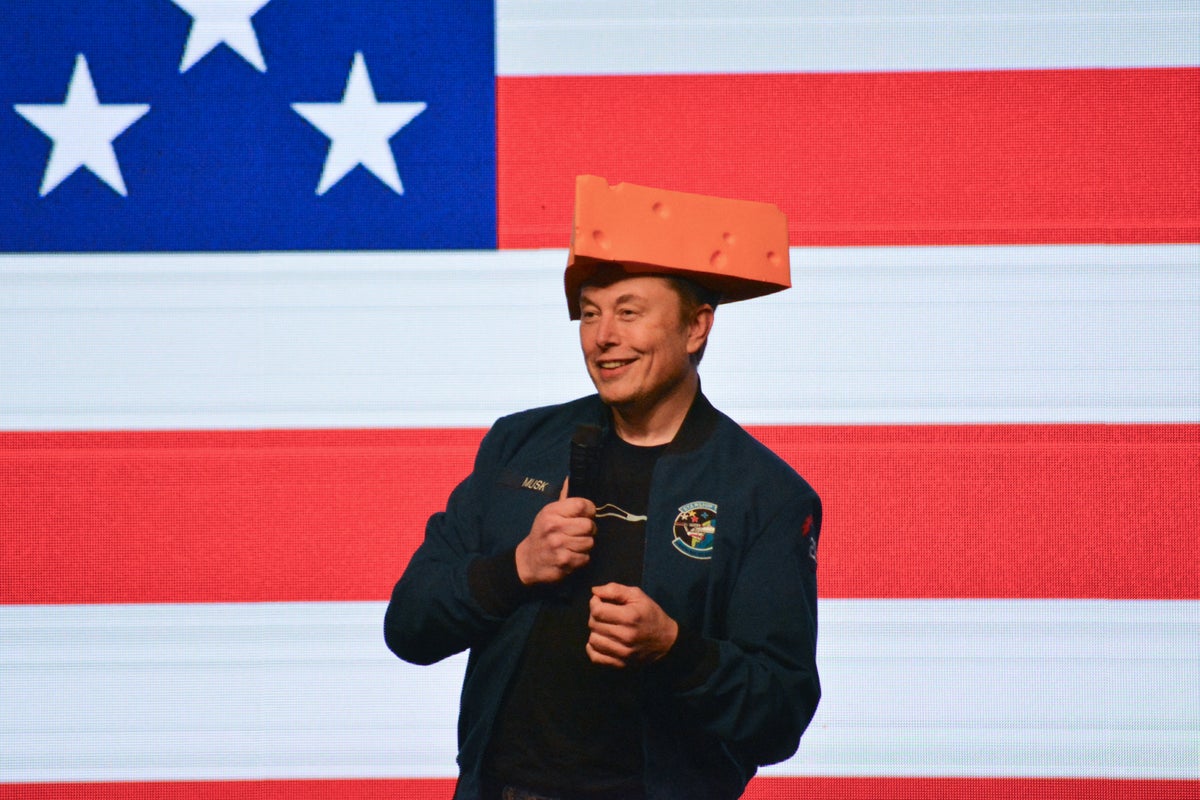
Special prosecutor Tim Gruenke officially declined to file criminal election bribery charges against billionaire Elon Musk regarding his high-stakes cash handouts during the 2025 Wisconsin Supreme Court election. The decision closes a major chapter of legal scrutiny originating from a bipartisan election panel referral, yet it leaves profound questions about how local jurisdictions handle ultra-wealthy political interventions.
Gruenke, the La Crosse County District Attorney appointed to handle the case after a local conflict of interest arose, concluded that the state could not secure a conviction before a jury. The core of the dispute centered on a March 2025 social media post where Musk appeared to tie a pair of one-million-dollar awards directly to participation in the judicial race. Twelve hours later, a revised post clarified that eligibility required signing a petition opposing activist judges rather than casting a ballot.
For legal analysts tracking the intersection of campaign finance and free speech, the rationale highlights the immense evidentiary threshold required to prove criminal intent against high-profile defendants. Gruenke characterized the initial statements as poorly worded rather than an intentional criminal enterprise, noting that no funds were ultimately disbursed strictly for the act of voting.
The Anatomy of a Loophole
The controversy erupted during the final stretch of the most expensive judicial election in American history, a contest that drew over one hundred million dollars in total spending. Musk poured roughly thirty million dollars into the state to support conservative-backed candidate Brad Schimel, who ultimately lost to Susan Crawford by a ten-point margin.
During the frantic weekend before the polls opened, Musk announced plans to hand out giant novelty checks at a rally in Green Bay. His initial publication on the platform X explicitly stated that attendance and rewards were meant to appreciate individuals for taking the time to vote.
Wisconsin statute strictly prohibits offering anything of value to induce an elector to vote. State Attorney General Josh Kaul moved aggressively to block the event, filing emergency legal challenges that ultimately stalled in the courts. While the Wisconsin Elections Commission later voted five to one to find probable cause of a violation and tossed the matter to prosecutors, the criminal standard demanded proof beyond a reasonable doubt that a bribe occurred.
Gruenke pointed directly to the rapid correction made by Musk's camp as the defensive wall that defeated the charge. Because the messaging pivoted toward petition-signing spokespeople before any concrete exchange for ballots occurred, a jury trial would likely deadlock or acquit.
The Civil Horizon Remaining
While the criminal threat has evaporated, the legal battlefield has not completely cleared. A civil lawsuit filed by the Wisconsin Democracy Campaign remains active in the Brown County Circuit Court. Civil proceedings operate under a lower burden of proof than criminal courts, meaning the structure of America PAC's petition mechanics will face more searching discovery without the shield of reasonable doubt protections.
Civil plaintiffs argue that the petition drive functioned as an unauthorized lottery and an indirect financial inducement designed to manipulate turnout in a hyper-polarized electorate. Legal scholars note that civil actions bypass the strict requirement to prove subjective criminal intent, focusing instead on the practical effect of financial distributions during an active voting window.
Public sentiment across the state remains deeply fractured. Proponents of accountability argue that allowing public check presentations near voting booths creates a dangerous precedent for billionaires seeking to buy electoral influence. Conversely, defenders maintain that petition drives and political speech enjoy broad constitutional protections under the First Amendment, regardless of the financial resources deployed by the organizer.
The prosecutor's refusal to indict underscores a structural reality in modern American jurisprudence. Statutes drafted decades or centuries ago often struggle to capture the speed and scale of digital-age political spending, leaving local prosecutors hesitant to gamble public resources on unprecedented courtroom battles against limitless legal defenses. The decision leaves civil courts as the primary arena for defining the boundaries of billionaire political influence in future elections.
For more context on the legal challenges surrounding the election handouts, you can watch this breakdown on Wisconsin AG lawsuit overview. This video provides additional background on the emergency legal filings made by state officials during the height of the 2025 judicial campaign.