When major American television networks suspended shared pool coverage of the presidency, the structural friction between the executive branch and the Fourth Estate reached a boiling point that traditional political analysis completely failed to capture. Beneath the surface theater of red-carpet diplomatic summits and impending midterms turmoil lies a deeper, more calculated institutional standoff. The real story is not merely about a temporary broadcast blackout or partisan posturing; it is a fundamental realignment of how power communicates with the public, weaponizing press credentials as leverage in a high-stakes political war.
The Anatomy of a Press Blackout
For decades, the White House press pool functioned as an unwritten pact between the administration of the day and the news organizations tasked with holding it accountable. That machinery broke down when the administration barred specific outlets from routine access, citing hostile reporting. In response, major networks took the unprecedented step of halting pooled coverage entirely.
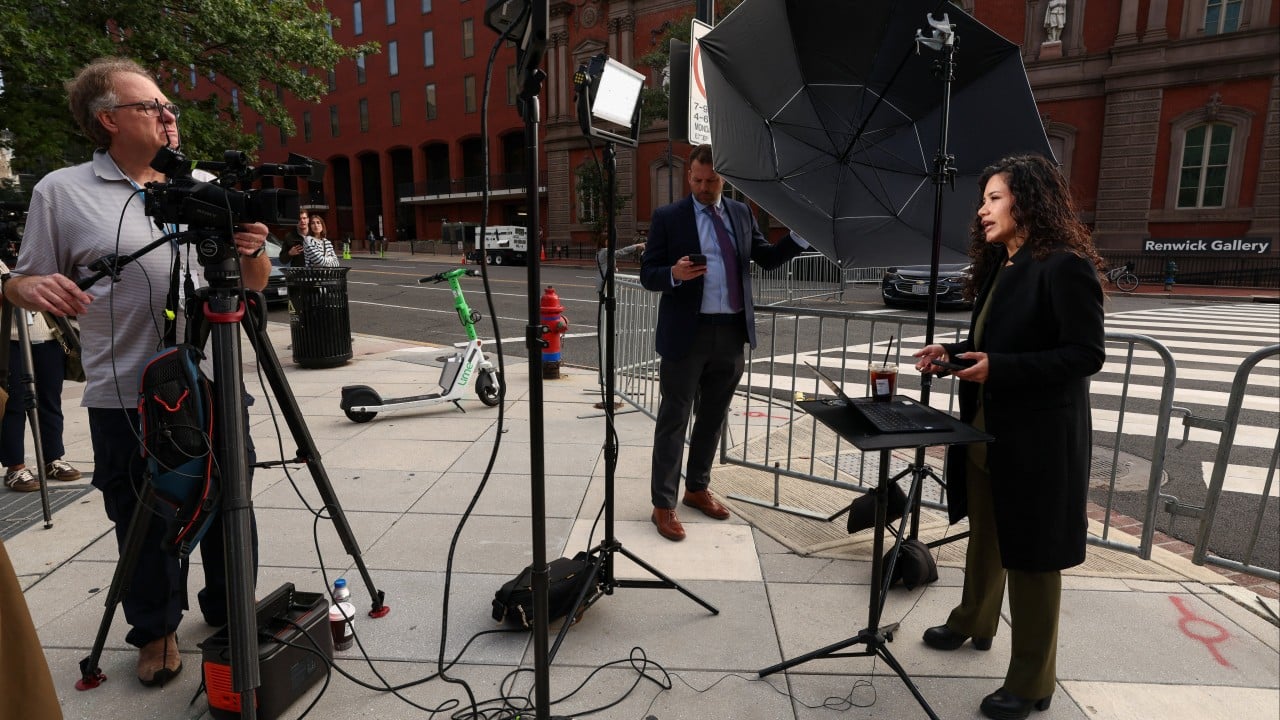
Consider a hypothetical example of how a press pool operates under normal conditions: a single camera crew films an official bilateral meeting, sharing the raw feed across every major network to ensure transparent, equal documentation. When that shared feed vanishes, the public is left with curated, isolated propaganda feeds or total darkness.
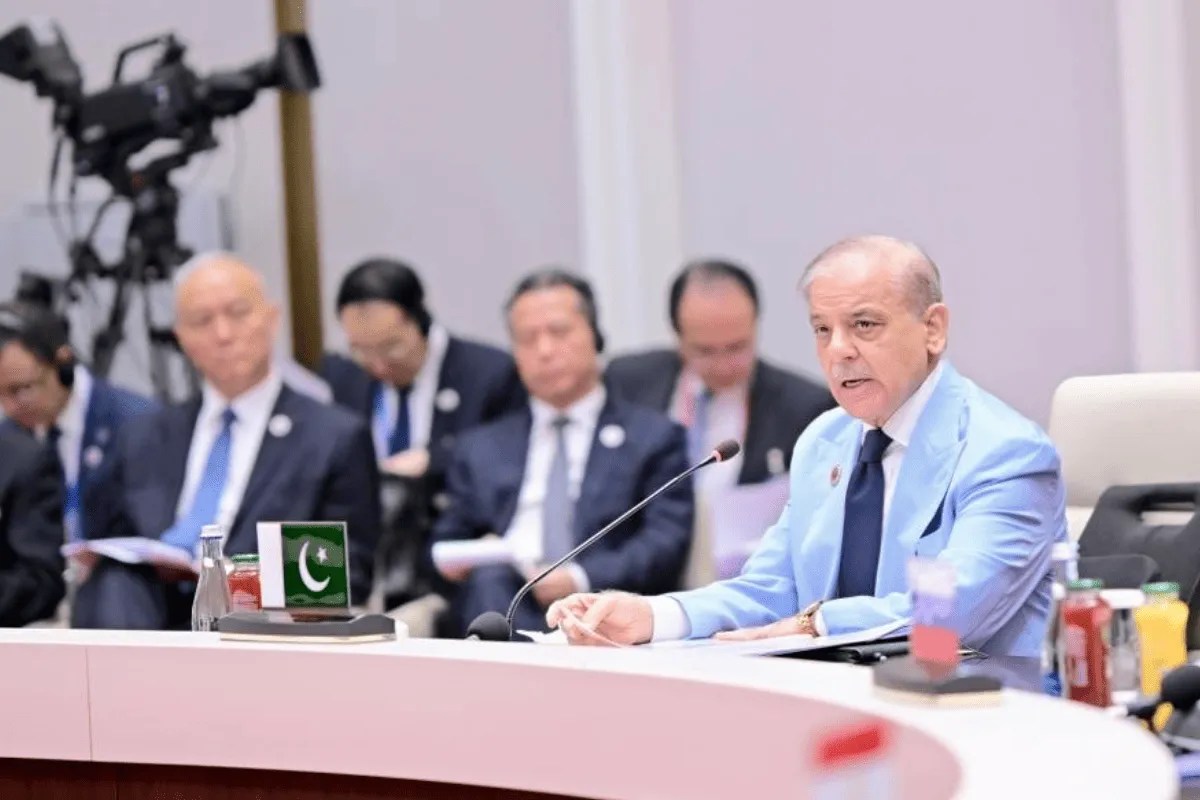
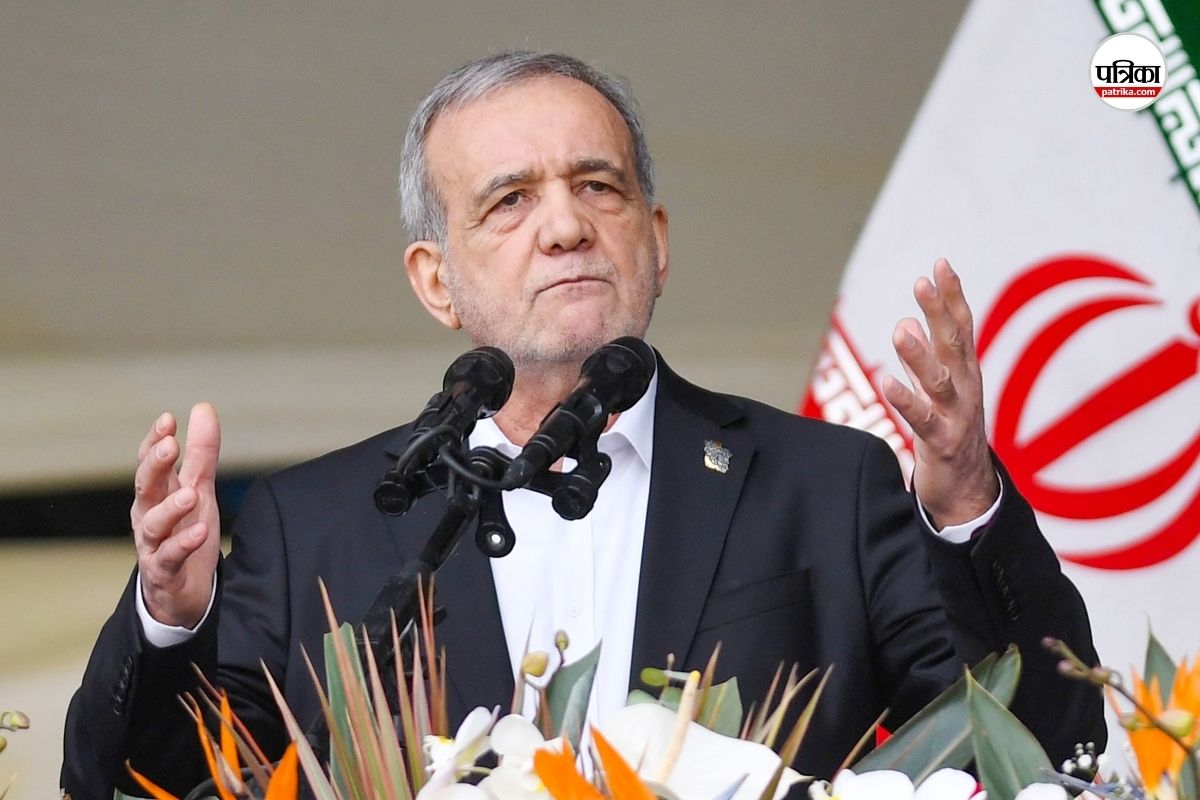
The administration framed the restriction as a rejection of institutional bias, while media executives countered that access is a public trust rather than an administrative privilege. This ideological collision transformed standard diplomatic engagements into battlegrounds of legitimacy. Foreign dignitaries walked down pristine red carpets for high-level talks, but the domestic lenses that should have scrutinized every handshake were turned off.
Midterms and the Distraction Machine
While the press corps fought over credentials and filed federal lawsuits, the political calendar marched relentlessly toward the midterm elections. Pundits often treat simultaneous crises as separate headlines, but professional political operatives know better. Chaos is a method of narrative control.
When an administration engages in open warfare with major broadcast networks right before a crucial electoral cycle, the conflict serves a dual purpose. First, it energizes a base that views mainstream journalism with deep suspicion. Second, it consumes the oxygen in the news cycle, burying nuanced policy debates under an avalanche of media-about-media reporting.
Voters trying to parse complex economic indicators or legislative records found themselves flooded with wall-to-wall coverage of empty briefing rooms and legal briefs. The red-carpet treatment afforded to international visitors became surreal stagecraft, contrasting sharply with the bitter domestic brawl happening just outside the frame.
The Financial and Legal Reality
The standoff quickly moved from the briefing room to the courtroom, where lawyers argued over First Amendment protections and the boundaries of executive authority. Yet, focusing solely on the constitutional merits misses the commercial undercurrents driving both sides.
Television networks rely on high-access drama to drive viewership, while modern political campaigns rely on grievance-driven engagement to mobilize donors. Both industries depend on conflict for survival. When the administration locked out specific reporters, it struck at the core economic model of legacy television: exclusive, live proximity to power. Conversely, the networks' refusal to blink demonstrated that institutional self-preservation sometimes outweighs daily newsgathering routines.
As the legal challenges wind through district courts, the precedent being set extends far beyond any single administration. Once access becomes explicitly conditional on editorial approval, the traditional boundary separating state-controlled media from a free press erodes permanently.
The summit lights have dimmed, the midterms have reshaped the political landscape, and the cameras have eventually returned to their posts. But the underlying friction remains unresolved. Power will always seek to control the narrative, and the press will struggle to finance the independence required to challenge it.
The Trump administration's dramatic showdown with major TV networks