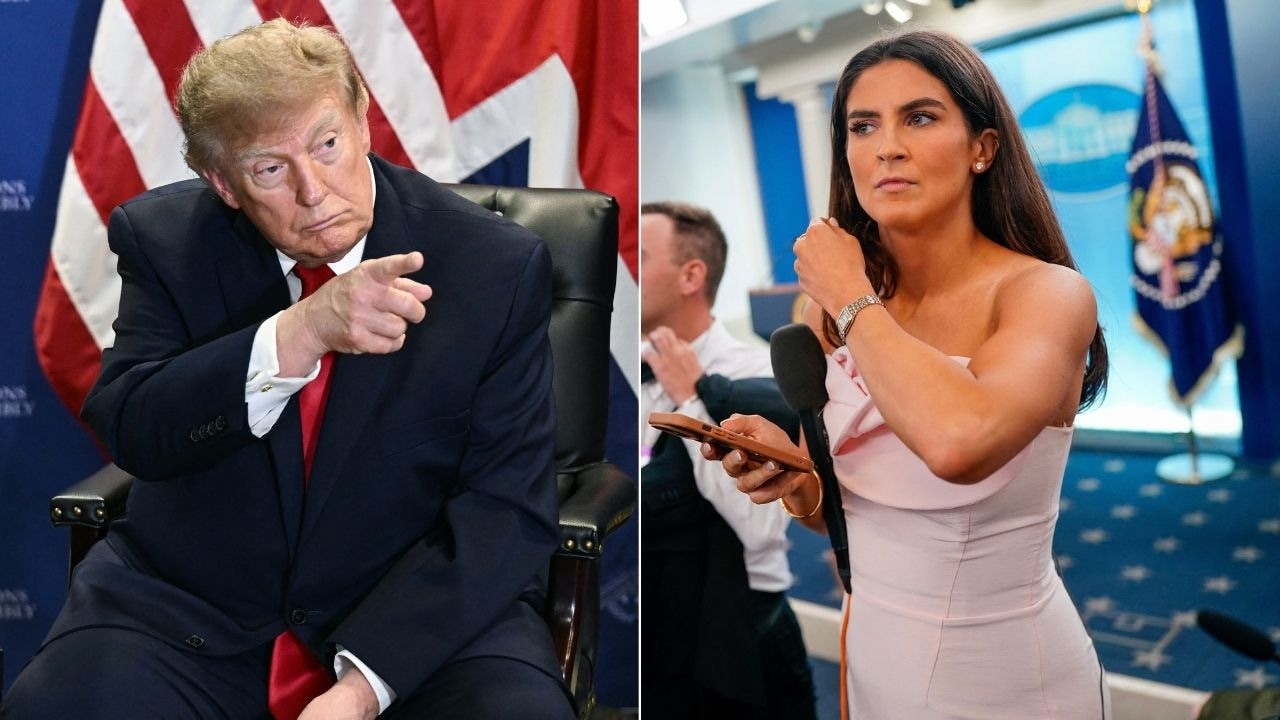
The machinery of modern political communication rarely operates with absolute synchronization, yet a sharp public fracture emerged when the Office of the First Lady authorized press credentials for a CNN reporter to cover an upcoming New York event, directly circumventing an active White House media restriction.
Just days after President Donald Trump barred CNN, Politico, and MS NOW from White House grounds, Melania Trump’s office approved access for CNN correspondent Betsy Klein to cover a high-profile gathering on the sidelines of the United Nations General Assembly. This divergence exposed a fascinating structural friction within the administration's information strategy. While executive branch protocols can be dictated by executive fiat, separate power centers within the complex retain independent administrative control over their own event guest lists and credentialing mechanics.
Political observers immediately parsed the move for deeper meaning. Some analysts framed it as an intentional bureaucratic check against sweeping press bans, while others viewed it merely as an autonomous office managing its own operational requirements for an external engagement. Regardless of intent, the credentialing approval highlighted the inherent difficulties of enforcing a uniform media blackout across multiple independent offices within the executive branch.
The backdrop to this administrative split involved an escalating legal and institutional battle over press freedom. Major news organizations responded to the initial White House restrictions by filing a federal lawsuit, arguing that viewpoint-based exclusion from official government proceedings violates constitutional protections. Simultaneously, the rotating television pool—comprising major broadcast networks that share coverage responsibilities—pushed back against the limitations placed on their colleagues.
When individual departments or offices within an administration chart a different course from the West Wing press office, it signals competing priorities between messaging control and institutional normalcy. For a first lady's office launching initiatives focused on public-facing coalitions and private-sector partnerships, maintaining standard channels of press coverage can serve broader communication objectives that differ sharply from the adversarial posture adopted by the president's political operation.
The decision to grant access did not formally overturn or weaken the broader White House ban. The restrictions imposed on executive mansion access remained fully intact, continuing to block the targeted outlets from routine daily briefings and workspace. Yet, the localized exception in New York demonstrated that bureaucratic boundaries can create unexpected windows for reporters navigating hostile administrative environments.
As legal proceedings move through federal courts to determine the constitutional limits of executive press blackouts, individual office policies will likely remain a contested terrain. The episode serves as a reminder that executive power is rarely a monolith, and the friction between different branches of a single administration can open unexpected pathways for independent reporting.
Melania Trump credentials CNN amid president's media ban
This video provides a brief news update detailing the contrasting decisions regarding press credentials within the administration.